Deshedding Brush for Cats & Dogs: Loose Hair & Tangles
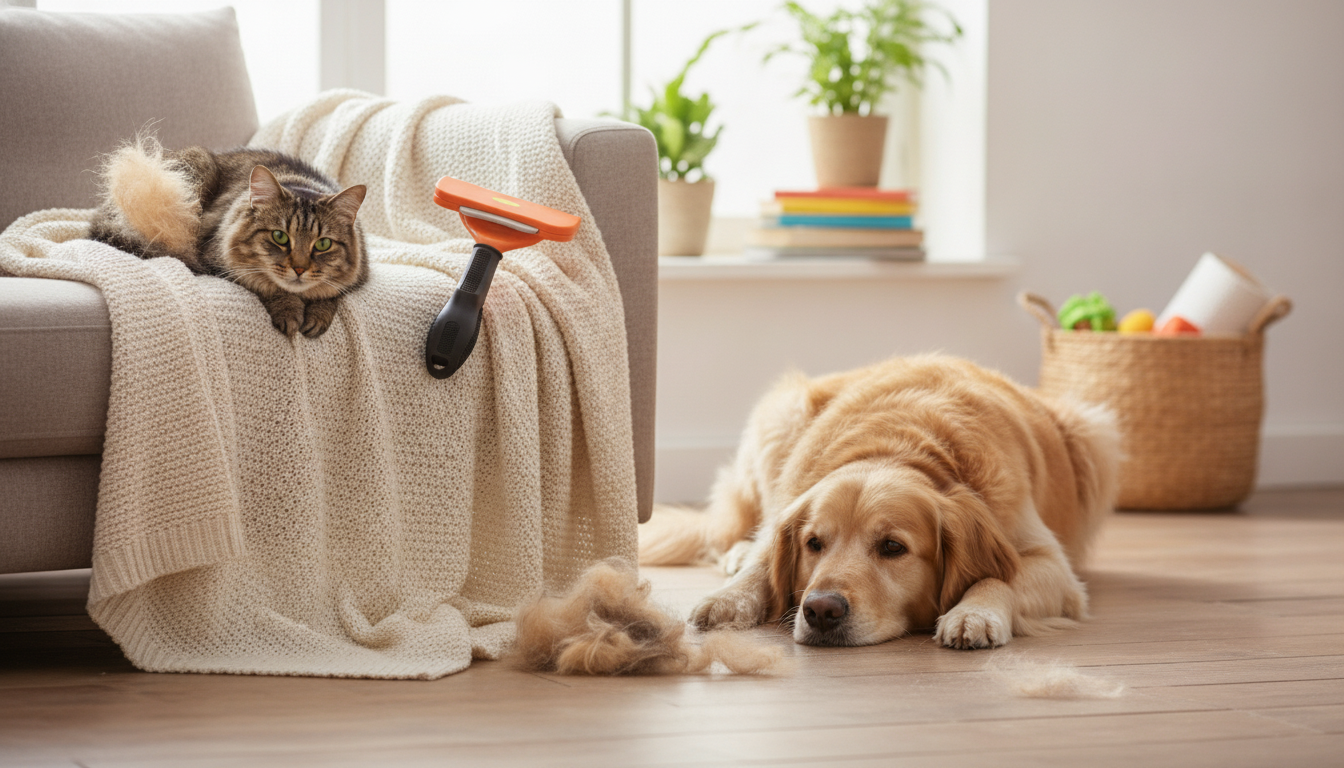
Pet Deshedding Brush for Cats & Dogs That Lifts Loose Hair and Smooths Tangles
Shedding and small tangles can build up quickly, especially during seasonal coat changes. A deshedding brush designed for both cats and dogs helps pull up loose undercoat hair, reduce flyaways on furniture, and keep the coat feeling smoother—without turning grooming into a stressful routine. For more guidance, see Shed Happens: Tips for Controlling Pet Hair in Your Home.
What a Deshedding Brush Does (and What It Doesn’t)
A good deshedding brush is made to catch loose hair sitting in the coat before it ends up on floors, bedding, and clothing. With consistent use, it can make the coat look more even by lifting light tangles and separating packed areas so fur lays flatter. Regular brushing also helps distribute natural oils, which can support a healthier-looking shine over time. For further reading, see Don’t Brush Off Feline Dandruff.
It’s equally important to know what a deshedding brush isn’t meant to do. It doesn’t replace proper treatment for mats that are tight to the skin, and it won’t solve skin problems like hot spots, rashes, or underlying medical irritation. The best results come from calm handling, short sessions, and a schedule that matches your pet’s coat type and comfort level.
For brushing basics and handling tips, reputable guides like the American Kennel Club and the ASPCA offer helpful grooming overviews.
When This Brush Is Most Useful
Some days, the coat looks fine—then a quick pet or cuddle leaves hair everywhere. A deshedding brush is especially useful during:
- Seasonal shedding periods (spring and fall) when undercoat releases in clumps.
- Indoor living where hair trails show up quickly on sofas, rugs, and pet beds.
- Light-to-moderate tangling zones like the chest, belly edges, behind the ears, and hindquarters.
- Multi-pet homes where loose hair spreads through shared spaces fast.
- Post-walk cleanup when outdoor debris can snag and start small tangles.
Even if your pet isn’t a “big shedder,” a short weekly routine can reduce the amount of loose hair that works its way into your home between baths and professional grooming appointments.
Key Features to Look For in a Cat & Dog Deshedding Brush
Not all brushes feel the same on the skin, especially when you’re working through undercoat. Look for practical design details that keep grooming comfortable and efficient:
- Gentle-to-skin edge design to reduce scratching and irritation risk.
- A stable grip that stays secure with damp hands or during longer sessions.
- The right size for the pet (smaller heads for cats and small dogs; wider coverage for medium/large dogs).
- Easy-clean hair release so removed fur doesn’t cling back onto the coat.
- Durable construction that won’t bend when you hit thicker undercoat.
How to Use a Deshedding Brush Without Causing Discomfort
Comfort matters more than speed. A calm, consistent routine usually removes more hair over a week than one long, stressful session.
- Start with 2–5 minute sessions, especially for cats or grooming-shy dogs.
- Brush in the direction of coat growth using light pressure; let the tool do the work.
- In sensitive zones (armpits, belly), hold skin gently taut to prevent pulling.
- Avoid repeated passes over the same spot; rotate areas to prevent over-brushing.
- Pause if you see redness or signs of stress (lip licking, tail swishing, ears pinned).
Quick routine by coat condition
| Coat situation | Best timing | Technique tip | What to avoid |
|---|---|---|---|
| Heavy seasonal shedding | After a short walk or play (coat is relaxed) | Long, smooth strokes; empty hair often | Pressing down hard to “dig” for undercoat |
| Light tangles | After a gentle hand-check for knots | Short strokes around the tangle’s edges first | Yanking through the center of a knot |
| Post-bath (fully dry only) | Once coat is completely dry | Brush section by section | Brushing damp fur (increases pulling and breakage) |
| Sensitive pets | After treats or calm time | Micro-sessions with breaks | Chasing the pet or restraining too tightly |
Safety Notes for Cats, Dogs, and Different Coat Types
Brushing should never hurt. Skip grooming over any open wounds, hot spots, rashes, or irritated skin. Senior pets and thin-coated breeds may need extra gentle pressure and shorter sessions because their skin can be more delicate.
For double-coated dogs, focus on lifting loose undercoat rather than scraping the topcoat. For cats, brief sessions are often best—stop before overstimulation shows up (tail flicking, sudden intense self-grooming, vocalizing). If you find mats close to the skin, consider professional grooming to avoid painful pulling and accidental skin injury.
Keeping the Brush Clean and Working Well
A brush that’s packed with fur becomes less effective and can start snagging. A quick cleanup routine keeps grooming smooth:
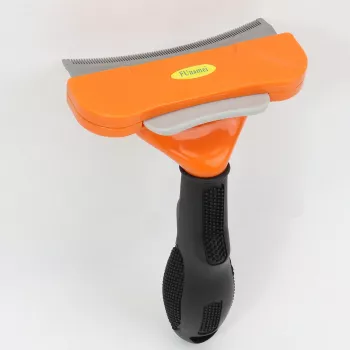
A Practical Pick for Everyday Shedding Control
FAQ
How often should a cat or dog be deshed?
For many pets, 1–2 times per week is a solid baseline, increasing to a few short sessions per week during heavy seasonal shedding. Keep sessions brief and stop if you notice redness, sensitivity, or increased itchiness.
Can a deshedding brush remove mats and tight knots?
It can help loosen light tangles, especially when you work gently around the edges. Tight mats close to the skin can be painful and risky to pull through, so a dedicated detangling tool or a professional groomer is usually the safer choice.
Is it safe to use a deshedding brush on short-haired pets?
Yes, as long as you use light pressure and limit repeated passes in one spot. Focus on lifting loose hair and avoid over-brushing sensitive areas like the belly and underarms.















Leave a comment