160 PSI Dual-Valve Floor Pump for Bikes & Motorcycles
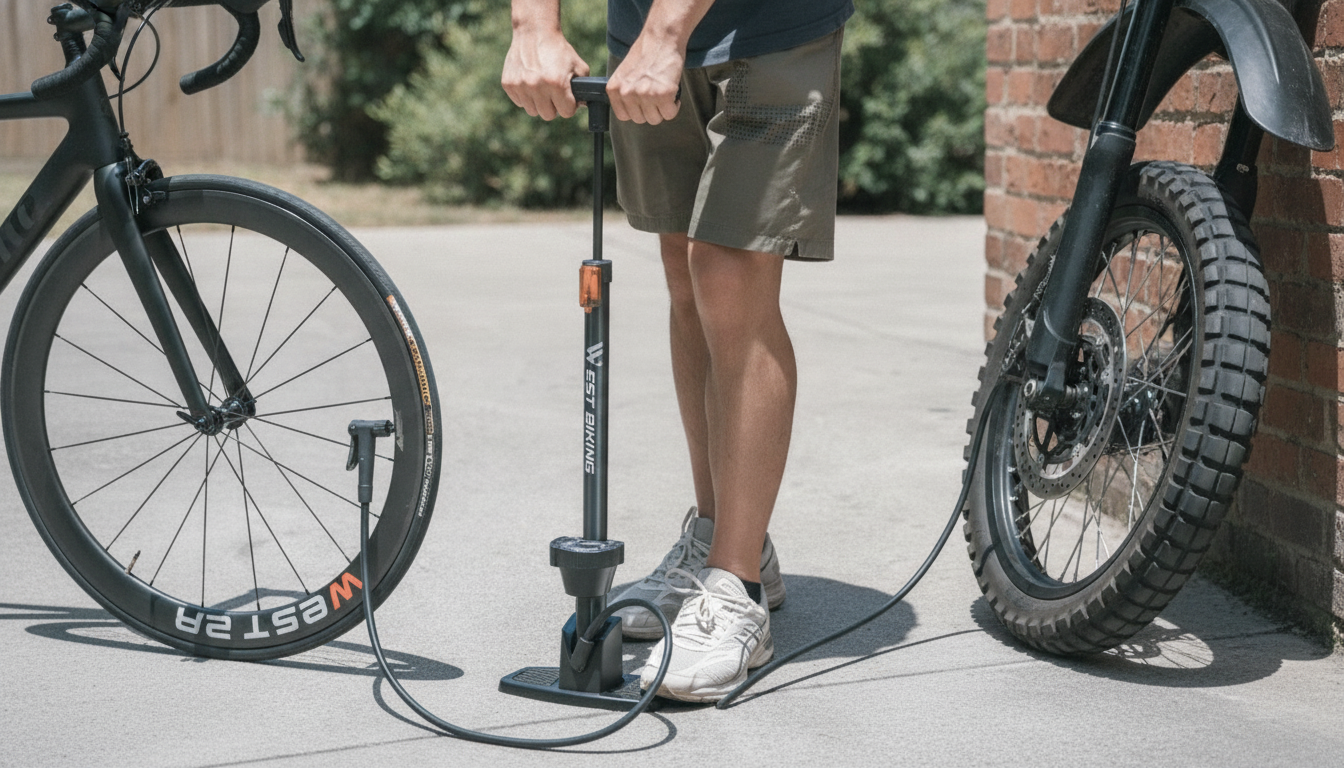
160 PSI High-Pressure Bike & Motorcycle Tire Pump with Dual Valve Gauge
Keeping tires at the right pressure improves control, reduces rolling resistance, and helps extend tire life. A high-pressure floor pump with an accurate gauge and dual-valve compatibility makes routine top-offs faster—whether it’s a road bike, commuter, or a motorcycle that needs a dependable garage-ready solution.
What Makes a High-Pressure Pump Worth Using
A good floor pump turns tire maintenance into a quick habit instead of a chore. For riders who inflate more than once in a while, small design details—pressure capacity, gauge readability, and valve fit—make a noticeable difference.
- Higher PSI capacity supports road-bike tires and other higher-pressure applications without excessive effort.
- A built-in gauge reduces guesswork and helps repeat results from one fill to the next.
- Dual-valve compatibility simplifies switching between common valve types without extra adapters.
- A stable base and solid handle improve leverage and reduce wobble during fast pumping.
- A secure hose connection helps minimize air loss when attaching and removing the chuck.
Quick Specs at a Glance
If the goal is consistent, at-home pressure checks for bikes and common motorcycle setups, a 160 PSI floor pump hits the sweet spot for capability and convenience.
- Designed for high-pressure inflation up to 160 PSI.
- Dual valve gauge setup intended to support common tire valve standards used across bikes and many motorcycles.
- Best suited for regular maintenance: weekly top-offs, pre-ride checks, and seasonal storage pressure corrections.
Key Details
| Feature | What it Means for Daily Use |
|---|---|
| Max pressure: 160 PSI | Supports higher-pressure bicycle tires and firm inflation targets. |
| Dual valve gauge/chuck | Easier transitions between valve types without hunting for adapters. |
| Integrated pressure gauge | More consistent inflation and fewer under/over-inflation surprises. |
| Floor-pump format | Faster volume delivery and steadier operation than many compact hand pumps. |
| Garage/at-home tool | Ideal for routine checks before riding rather than emergency roadside use. |
Dual-Valve Compatibility: How to Avoid Fit and Leakage Issues
Most frustration with pumps comes from imperfect valve engagement. A quick check of the valve type and a careful, straight connection usually prevents the “mystery hiss” and uneven readings.
- Confirm the valve type on each wheel: bicycles commonly use Schrader or Presta; many motorcycles use Schrader.
- Seat the chuck straight and fully to reduce side-loading that can cause brief leakage during pumping.
- Listen for a steady seal: a constant hiss usually means the chuck is not fully engaged or is misaligned.
- If using Presta, ensure the small valve tip is unthreaded/open before attaching, then close it after filling.
- Avoid over-tightening or forcing the connection; a firm, straight push-on (or screw-on, depending on design) is typically enough.
Gauge Accuracy and Consistency Tips
Pressure is a moving target: temperature, riding heat, and even how long a tire has been sitting can change the number. The most useful gauge is the one that stays consistent so tire feel and handling stay consistent.
- Use the same pump and gauge for routine checks to keep readings consistent over time.
- Measure pressure when tires are cool; heat from riding can temporarily raise PSI and distort decisions.
- Pump in short bursts near the target to avoid overshooting, especially with narrower high-pressure tires.
- If comparing to another gauge, expect small differences; focus on repeatability and tire performance rather than chasing a perfect number.
- For motorcycles, follow the vehicle manufacturer’s recommended pressures found on the swingarm/owner manual; don’t rely on tire sidewall maximums as targets.
For additional guidance on setting bicycle tire pressure by use case, tire size, and conditions, see Park Tool’s tire pressure guide. For broader safety context around tire maintenance, the NHTSA tire safety resources are a helpful reference.
How to Inflate Bike Tires Efficiently (Presta and Schrader)
A smooth routine reduces leaks, improves gauge reliability, and keeps the valve hardware in good shape—especially on Presta setups where the valve tip is small and easy to cross-thread if rushed.
- Check the tire sidewall for the recommended pressure range; choose a target based on rider weight, tire width, and surface conditions.
- Attach the chuck securely and verify the gauge shows current pressure before adding air.
- Pump steadily; for higher PSI, maintain an upright stance and use body weight for smoother strokes.
- Stop a few PSI short, re-check, then top off to the final target.
- Remove the chuck quickly and straight to minimize air loss; re-check pressure if needed.
Using a Floor Pump for Motorcycles: Practical Notes
For motorcycle owners, a floor pump is most valuable as a dependable “garage check” tool. It’s ideal for topping off before a ride, checking pressure during storage, or verifying a slow leak after a repair.
Care, Storage, and Troubleshooting
Who This Pump Fits Best
In-Stock Picks
- 160 PSI High-Pressure Bike & Motorcycle Tire Pump with Dual Valve Gauge ($89.01)
- Calvin Klein Women’s White Leather Sneakers ($59.01)
- Calvin Klein Jeans Women’s Beige Sneakers ($50.01)
FAQ
Does a 160 PSI pump work for both Presta and Schrader valves?
Yes—dual-valve designs are typically made to fit both Presta and Schrader, and most motorcycles use Schrader. For Presta, open the small valve tip before attaching the chuck, and seat the chuck straight to reduce leakage.
How accurate is a built-in tire pump gauge?
Built-in gauges are generally consistent enough for routine maintenance and repeatable top-offs. Check pressure when tires are cold and stick with the same gauge over time, since small differences versus standalone gauges are normal.
Is a floor pump enough for motorcycle tires, or is a compressor better?
A floor pump is excellent for top-offs and regular pressure checks at home, especially for cold-pressure verification. A compressor is faster and can be the better option for high-volume tasks like seating tubeless beads or rapidly inflating larger tires.













Leave a comment