Hydrogen Inhalation Machine Guide: Setup, Safety, Care
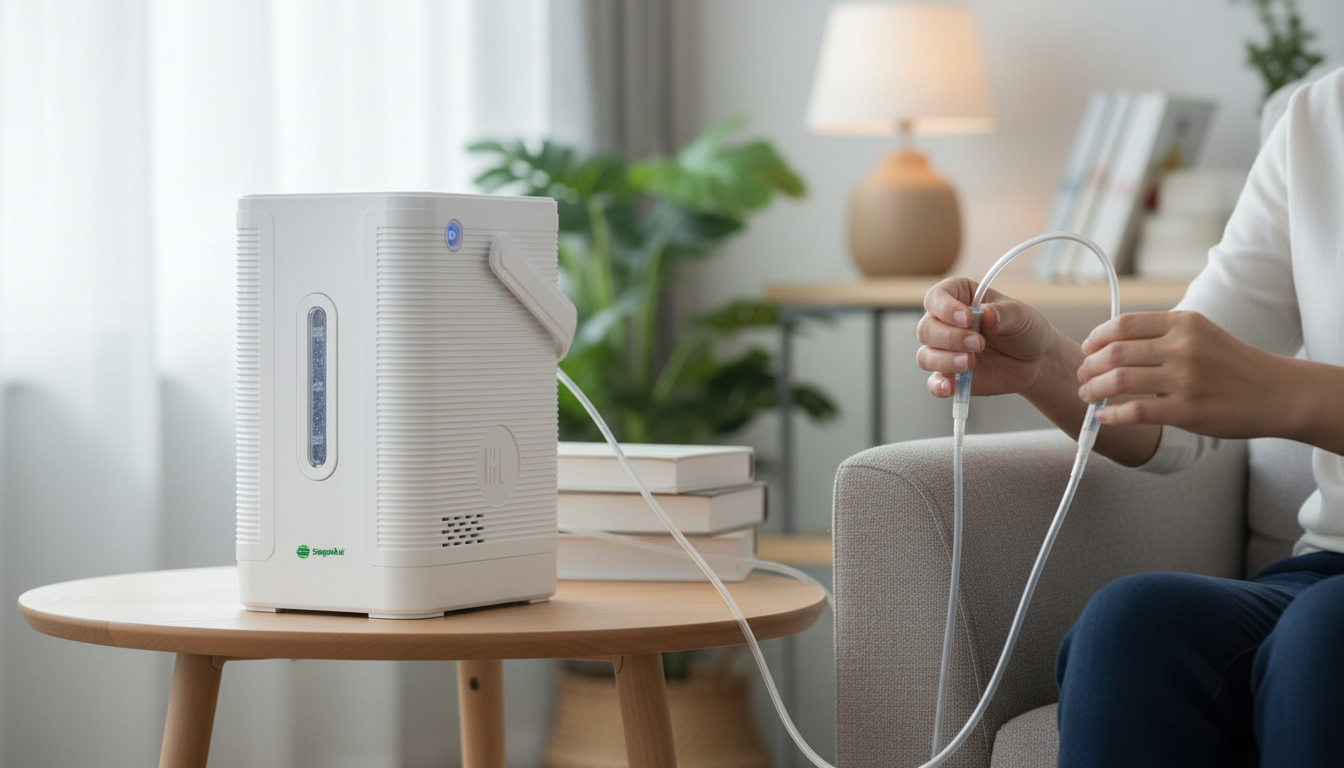
Hydrogen Inhalation Machine: Uses, Features, Safety, and Everyday Setup
Hydrogen inhalation machines generate hydrogen gas intended for inhalation through nasal cannulas or masks. Interest centers on hydrogen’s role as a selective antioxidant in laboratory and early clinical research, alongside practical questions about device output, water quality, operating time, maintenance, and safety. This guide breaks down how these machines work, what to look for in a unit, and how to use one responsibly at home.
What a Hydrogen Inhalation Machine Does
A hydrogen inhalation machine produces hydrogen (H2) from water—most often by electrolysis—and delivers the gas through tubing to a nasal cannula or mask. These devices are commonly used in personal wellness and recovery routines, but real-world outcomes depend heavily on the device’s output, how consistently it delivers gas during a session, and how closely the routine matches studied protocols.
Hydrogen inhalation differs from hydrogen water products in a simple way: inhalation focuses on gas delivery, while hydrogen water focuses on dissolved hydrogen in a beverage. For comparing devices, prioritize measurable performance (output and stability over time) over appearance or compact size.
How It Works: Electrolysis and Gas Delivery Basics
Electrolysis splits water into hydrogen and oxygen. Many consumer devices are designed to emphasize hydrogen output while managing oxygen as a byproduct through internal separation or venting. Because manufacturers describe output differently, it’s important to understand common spec terms and what they imply about day-to-day use.
Consistency is influenced by water purity, electrode condition, internal temperature, and maintenance habits. Some machines add filtration, drying, or moisture management features to reduce condensation in the tubing and help stabilize delivery across longer sessions.
Common terms used in product specs
| Spec term | What it usually describes | Why it matters |
|---|---|---|
| Flow rate (L/min) | Volume of gas delivered per minute | Affects how quickly hydrogen is supplied during a session |
| Hydrogen concentration | Share of hydrogen in delivered gas mixture | Relates to dosing assumptions used in research |
| Run time / duty cycle | How long the device can operate continuously | Determines whether it suits short daily sessions or extended use |
| Water type requirement | Distilled or purified water guidance | Helps prevent mineral buildup and protects electrodes |
| Consumables | Filters/tubing/cannulas | Ongoing cost and hygiene for repeated use |
Potential Benefits and What the Evidence Actually Suggests
Hydrogen has been studied for potential antioxidant and anti-inflammatory activity in a range of experimental contexts. That said, human evidence is still emerging, and results can vary based on the condition studied, the delivery method, the concentration/flow used, and the patient population.
Wellness claims deserve a measured approach because many studies use defined concentrations, controlled devices, and medical oversight—conditions that may not match home routines. For browsing the broader scientific landscape, the National Center for Biotechnology Information (NCBI) is a useful starting point for research indexing and abstracts.
Hydrogen inhalation is not a replacement for medical treatment. Anyone managing chronic illness or taking prescription medications should consult a licensed clinician before starting, especially if symptoms involve the heart, lungs, or nervous system.
Safety Considerations for Home Use
Hydrogen is flammable. Use the device only in a well-ventilated area and keep it away from flames, cigarettes, gas stoves, candles, space heaters, or any spark source. For general reference on hydrogen hazards and safe handling principles, review resources from the National Fire Protection Association (NFPA).
Follow the manufacturer’s operating instructions closely, including maximum run times and placement guidance. Avoid enclosing the unit in cabinets or tight spaces that restrict airflow, and don’t block vents. Use only the recommended water type to minimize scaling that can affect performance and component life.
Hygiene matters. Tubing and cannulas should be kept clean and replaced on schedule to reduce contamination risk. Stop use and seek medical advice if unusual symptoms occur (such as dizziness, shortness of breath, or chest discomfort). When purchasing health-related products online, it’s also worth reviewing the FDA’s general consumer guidance: Buying medical products online.
Daily Setup and Routine: A Practical Checklist
A stable routine reduces user error and helps the machine deliver more consistent output from session to session.
Maintenance: Keeping Output Consistent Over Time
When a Dedicated Machine Makes Sense
Product Spotlight: Hydrogen Inhalation Machine
If a consistent at-home routine is the goal, a dedicated Hydrogen Inhalation Machine is a ready-to-use option designed for repeated sessions with a stable setup. Before ordering, confirm what accessories are included (such as tubing and a cannula or mask), which water type is required, and which parts are replaceable over time.
Quick buying checks before ordering
| Check | What to confirm | Why it helps |
|---|---|---|
| Included accessories | Tubing, cannula/mask, filters (if any) | Avoids extra purchases and ensures immediate usability |
| Water requirement | Distilled vs purified guidance | Supports longevity and reduces scaling |
| Replacement parts | Availability and cost | Makes ongoing ownership simpler |
| Warranty/returns | Duration and coverage | Adds protection for a high-value device |
More In-Stock Picks
- Spacious 6-8 Person Waterproof Camping Tent with Three Rooms
- Elegant Women’s Genuine Leather Sandals
- Furla Women’s Green Leather Pumps
FAQ
How long should a typical session last?
Follow the device manual first, since limits vary by model and output. Many users start with shorter sessions to assess tolerance, then stay within the manufacturer’s guidance for duration and frequency; consult a clinician if you have a chronic condition.
What kind of water should be used in the machine?
Use only what the manufacturer recommends—commonly distilled or purified water—to reduce mineral buildup and protect internal components. Avoid adding salts, minerals, or other additives unless the instructions explicitly approve it.
Is hydrogen inhalation safe to do at home?
Home use can be safer when ventilation and fire safety are taken seriously, the unit is operated exactly as instructed, and tubing/cannulas are kept clean and replaced as needed. People with respiratory or cardiac issues, those who are pregnant, or anyone with concerning symptoms should seek medical guidance before use.














Leave a comment