Instant Electric Water Heater: Fast Hot Water for Bath & Kitchen
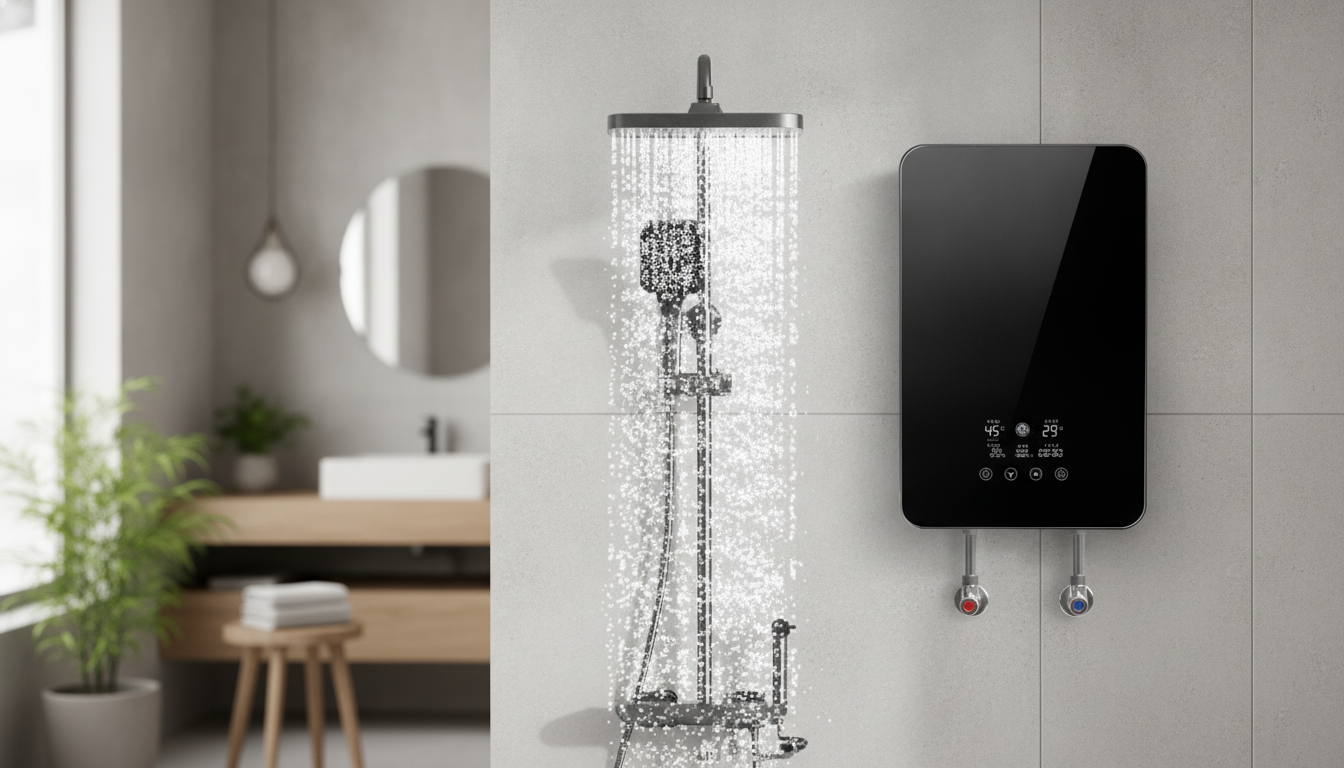
Instant Electric Water Heater for Bathroom & Kitchen: Rapid Heating Without the Tank
Instant electric water heaters deliver hot water on demand—no bulky storage tank, no long wait for recovery, and far less “running the tap” while you hope the water warms up. For bathrooms and kitchens, that quick temperature rise can make everyday routines smoother, especially when the main water heater is located far from the fixture or when you’re upgrading a compact space like an apartment, ADU, or studio.
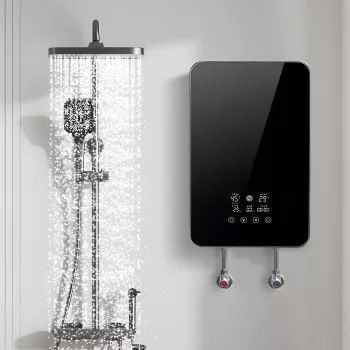
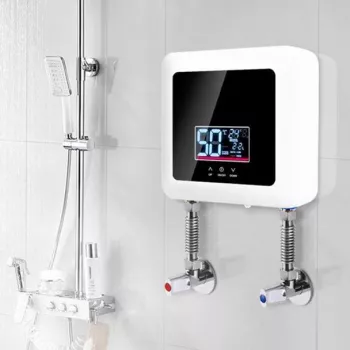
If you’re considering a point-of-use solution, Instant Electric Water Heater for Bathroom & Kitchen – Rapid Heating, Unlimited Water is designed for exactly this kind of near-tap convenience. For a simple comfort upgrade in the same project, pairing lighting with plumbing changes can also make a noticeable difference—see Elegant Marble & Copper Wall Lamp for a bathroom or kitchen wall-mount option.
What an instant electric water heater does
An instant (tankless) electric unit heats water only while it’s flowing. That means it doesn’t spend all day keeping a tank hot “just in case,” which can reduce standby heat loss compared with traditional tank heaters.
- Heats on demand: The unit activates when water begins moving through it, then stops heating when flow stops.
- Best for point-of-use needs: Depending on electrical capacity and incoming water temperature, it’s commonly used for a single sink, a bathroom, or a small kitchen line.
- “Unlimited” depends on capacity: Hot water can continue as long as the unit has power and water, but the outlet temperature depends on matching wattage to the required flow rate and temperature rise.
Where it fits best: bathroom and kitchen use cases
Point-of-use instant electric heaters shine when you want hot water fast at a specific fixture, without waiting for gallons of cool water to clear the line.
- Bathroom sink: Quick warm water for handwashing, face washing, and shaving with minimal delay.
- Kitchen sink: Faster hot water for rinsing dishes, cleaning, and food prep—especially when the main heater is on the other side of the home.
- Small shower or auxiliary bath: Feasible when the electrical service and unit rating support the shower’s flow. In colder climates, lower inlet temperatures can reduce comfortable flow rates.
- Apartments, garages, and outbuildings: Avoids long pipe runs that waste water and time while waiting for heat to arrive.
How rapid heating works (and what limits it)
Inside an instant electric heater, a heating element energizes when a flow sensor detects water movement. The heater then regulates output by adjusting power and responding to flow rate.
Two variables drive real-world performance:
- Temperature rise: The difference between incoming cold water and your desired outlet temperature.
- Flow rate: How many gallons per minute (GPM) the faucet or shower head is demanding.
If the flow rate is higher than the heater can support for your needed temperature rise, the outlet temperature drops. Often, the simplest fix is to reduce flow slightly (or use a lower-flow faucet aerator/shower head), which gives the heater more time and energy per gallon to reach a hotter temperature.
Also keep in mind that seasonal inlet water temperature changes can be dramatic. Winter water is colder, so the heater must work harder to produce the same outlet temperature—meaning the “max comfortable flow” may be lower in January than in July. For a practical overview of demand-type heaters and performance factors, the U.S. Department of Energy provides a helpful primer: Tankless or Demand-Type Water Heaters.
Choosing the right setup for consistent comfort
Comparison: instant point-of-use vs tank water heating
| Option | Strengths | Trade-offs | Best for |
|---|---|---|---|
| Instant electric (point-of-use) | Fast hot water near the tap; compact; reduced standby loss | Electrical requirements can be high; performance depends on inlet temp and flow | Single sink, small bathroom, remote kitchen line |
| Tank electric | Simpler electrical planning; can serve multiple fixtures | Finite hot water before recovery; standby heat loss; larger footprint | Apartments/homes with steady multi-fixture demand |
| Tankless gas | High output for whole-home hot water; good for multiple showers | Venting, gas line sizing, combustion safety requirements | Whole-home upgrades where gas service is available |
| Recirculation pump (with tank) | Faster hot water at distant taps | Added install complexity; may increase energy use if poorly controlled | Homes with long plumbing runs |
Installation checklist and placement tips
Electrical and safety considerations
- Dedicated circuit sizing: Wattage determines amperage draw; match breaker and wire gauge to the unit’s requirements.
- Grounding and protective devices: Follow local rules for bonding, disconnect means, and GFCI/RCD where required.
- Moisture exposure: Avoid placement where steam or direct spray can reach electrical components unless the unit is specifically rated for it.
- Anti-scald practices: Set a safe temperature and consider thermostatic mixing valves, particularly in homes with children or seniors. The Consumer Product Safety Commission covers scald prevention basics here: Hot-Water Scalds.
Expected performance in daily routines
Maintenance, troubleshooting, and longevity
FAQ
Can an instant electric water heater run a shower and a sink at the same time?
Usually it’s best for one fixture at a time unless the unit has enough power for the combined flow and temperature rise. If both are used simultaneously, outlet temperature often drops, especially in colder seasons.
What electrical setup is typically needed for rapid-heating electric units?
It depends on the heater’s wattage, but many models require a dedicated circuit with the correct breaker and wire gauge, plus proper grounding. In bathrooms and other wet areas, GFCI/RCD protection may also be required by local code.
Does “unlimited hot water” mean the water stays the same temperature no matter what?
Hot water can continue as long as the unit has power and water flow, but the exact temperature depends on inlet water temperature, the selected setting, and how much water is flowing. Higher flow or colder inlet water can reduce outlet temperature.













Leave a comment