High-End Mattress Checklist: Support, Cooling & Durability
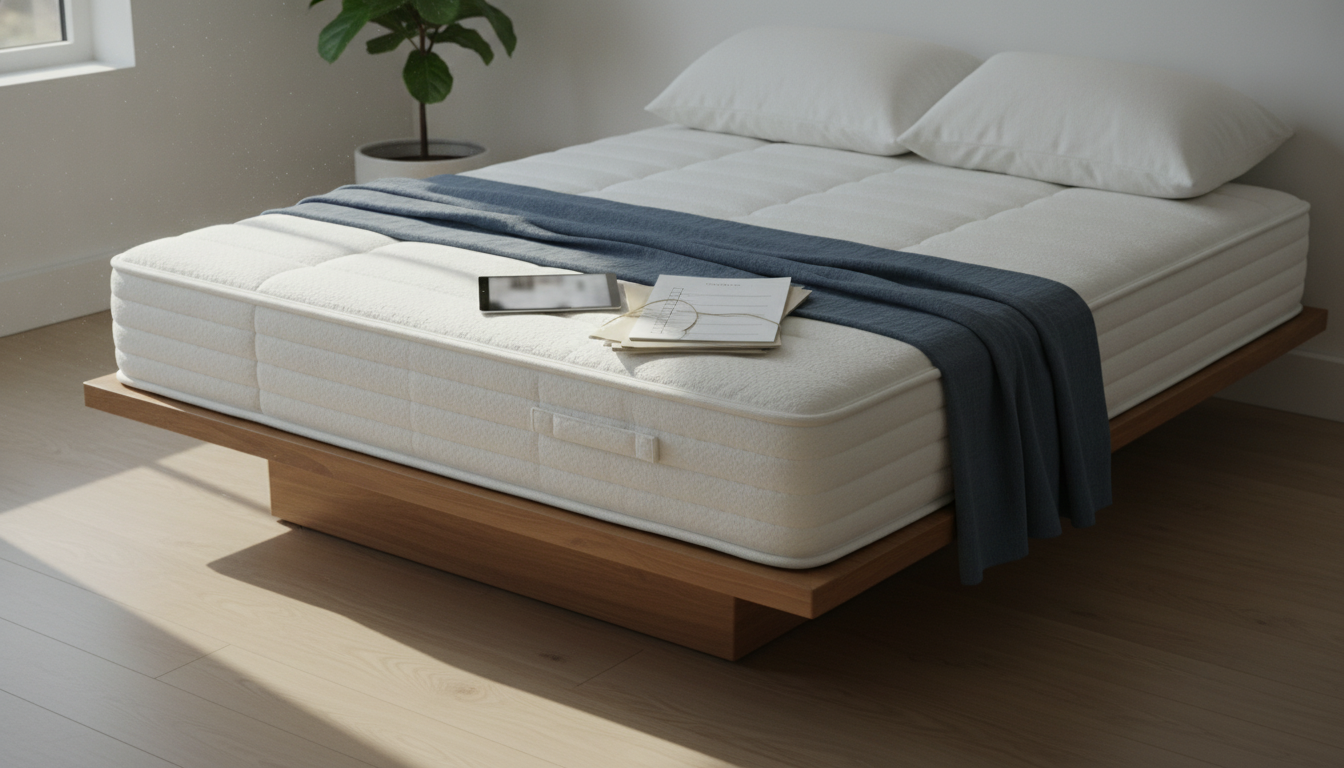
Choosing a High-End Mattress: A Checklist for Confident, Comfortable Sleep
A luxury mattress can feel incredible—or disappoint fast if it doesn’t match sleeping position, support needs, temperature preferences, and materials sensitivities. A clear checklist helps compare options without getting pulled into expensive upgrades that don’t improve nightly comfort. Focus on what actually changes how you sleep: pressure relief, spinal alignment, motion control, temperature regulation, and long-term durability. For more guidance, see How to Choose a Mattress (Based on 400+ Mattress Tests).
Start With Sleep Needs (Not Brand Hype)
Before comparing coil counts, cover fabrics, or showroom “wow” moments, get specific about how you sleep at home. The right high-end mattress is the one that supports your body and routines consistently—not the one with the most buzz. For further reading, see The Best Mattresses of 2026: Tested and Reviewed.
- Identify your main sleep position (side, back, stomach, or combination) and note pain points like shoulder pressure, hip soreness, or lower-back tightness.
- Set a comfort goal: plush pressure relief, buoyant support, or a balanced “hotel” feel that cushions without swallowing you.
- Track temperature tendencies: do you run hot, wake up sweaty, or get chilled at night? Also note if a partner’s body heat affects you.
- List non-negotiables: low odor, natural fibers, hypoallergenic materials, and compatibility with an adjustable base if you use one.
If you want a simple way to keep these notes organized while you browse, the Choosing the Best High-End Mattress Checklist (Digital Download) can be used on a phone or printed for showrooms.
Support and Alignment: The Non-Negotiables
High-end mattresses often feel great for the first minute. What matters is whether they keep your spine aligned for hours. The goal is a surface that lets shoulders and hips settle while preventing the midsection from dropping too far.
- Prioritize alignment: hips shouldn’t sink lower than the ribcage; shoulders should relax without pinching or numbness.
- Match firmness to body type: lighter sleepers typically need more cushioning to avoid pressure points, while heavier sleepers often need stronger support cores to prevent sag.
- Check edge support: if you sit on the side to put on shoes, share the bed, or use the full width, weak edges can feel like sliding off.
- Look for lumbar support features: zoned coils/foam or a firmer center third can help maintain a neutral posture, especially for back sleepers.
Quick Match Guide: Position, Feel, and What to Look For
| Sleep style | Typical comfort range | Key features to prioritize | Common red flags |
|---|---|---|---|
| Side sleepers | Medium to medium-soft | Thicker comfort layer, pressure relief at shoulders/hips, responsive surface to prevent “stuck” feeling | Too-firm top layer causing shoulder numbness; weak edge support if bed is shared |
| Back sleepers | Medium to medium-firm | Lumbar support, balanced cushioning, stable core (quality coils or high-density foam) | Hips sinking lower than ribcage; overly plush top causing swayback posture |
| Stomach sleepers | Medium-firm to firm | Flatter surface, firmer support core, thinner comfort layer | Excessive sink leading to lower-back strain; very soft pillow-top |
| Combination sleepers | Medium | Responsive materials, easy repositioning, good motion control for partners | Slow-response top that hampers turning; uneven zoning that feels “lumpy” |
Materials That Matter in the High-End Tier
Luxury pricing is easiest to justify when the internal components are legitimately better. Ask what’s inside and how it’s constructed—materials and density typically predict longevity more than branding.
- Latex (natural or blended): often durable, responsive, and breathable; tends to feel buoyant rather than deeply “hugging.”
- Memory foam: excellent pressure relief and motion isolation; check foam density and whether cooling is built into the design (not just surface additives).
- Pocketed coils: improve airflow, support, and edge stability; pay attention to coil quality and gauge rather than inflated coil-count marketing.
- Natural fibers (wool, cotton, silk blends): can improve moisture regulation and surface feel; verify certifications if sensitivities matter.
- Low-emission certifications: if odor or indoor air quality is a concern, look for recognized standards like GREENGUARD and foam programs like CertiPUR-US.
Temperature, Motion, and Noise: Comfort Details That Add Up
Two mattresses can share a similar firmness and still sleep very differently. If you’ve ever woken up sweaty, felt a partner rolling over, or noticed squeaking, these “details” are often the real reason.
Bedroom environment matters too. If you’re refining your sleep space beyond the mattress, a softer lighting setup like the Elegant Marble & Copper Wall Lamp can help create a calmer wind-down routine.
Durability Checks Before Paying Luxury Prices
Trial Period, Returns, and Setup: The Fine Print That Protects You
Use a Printable Checklist to Compare Options Side by Side
Recommended Digital Download
Choosing the Best High-End Mattress Checklist (Digital Download) is a lightweight way to stay organized while you shop and avoid upgrade traps.
FAQ
How long should a high-end mattress last?
Many high-end mattresses last about 7–10+ years, depending on materials, sleeper weight, and how well the support core holds up. Latex and well-built hybrids can often last longer, but the real signal to replace is sagging or a noticeable loss of alignment.
Is a firmer mattress always better for back pain?
No—alignment is the goal. Too firm can create pressure points (especially for side sleepers), while too soft can let hips sink and strain the lower back; the best firmness depends on sleep position and body type.
What certifications are worth checking for sensitive sleepers?
Common options include GREENGUARD Gold, CertiPUR-US (for certain foams), and OEKO-TEX for textiles. It’s important to confirm which components are certified (foam, cover fabric, adhesives) rather than assuming the entire mattress meets the standard.














Leave a comment