17L Sensor Trash Can: Automatic Packing, Less Mess
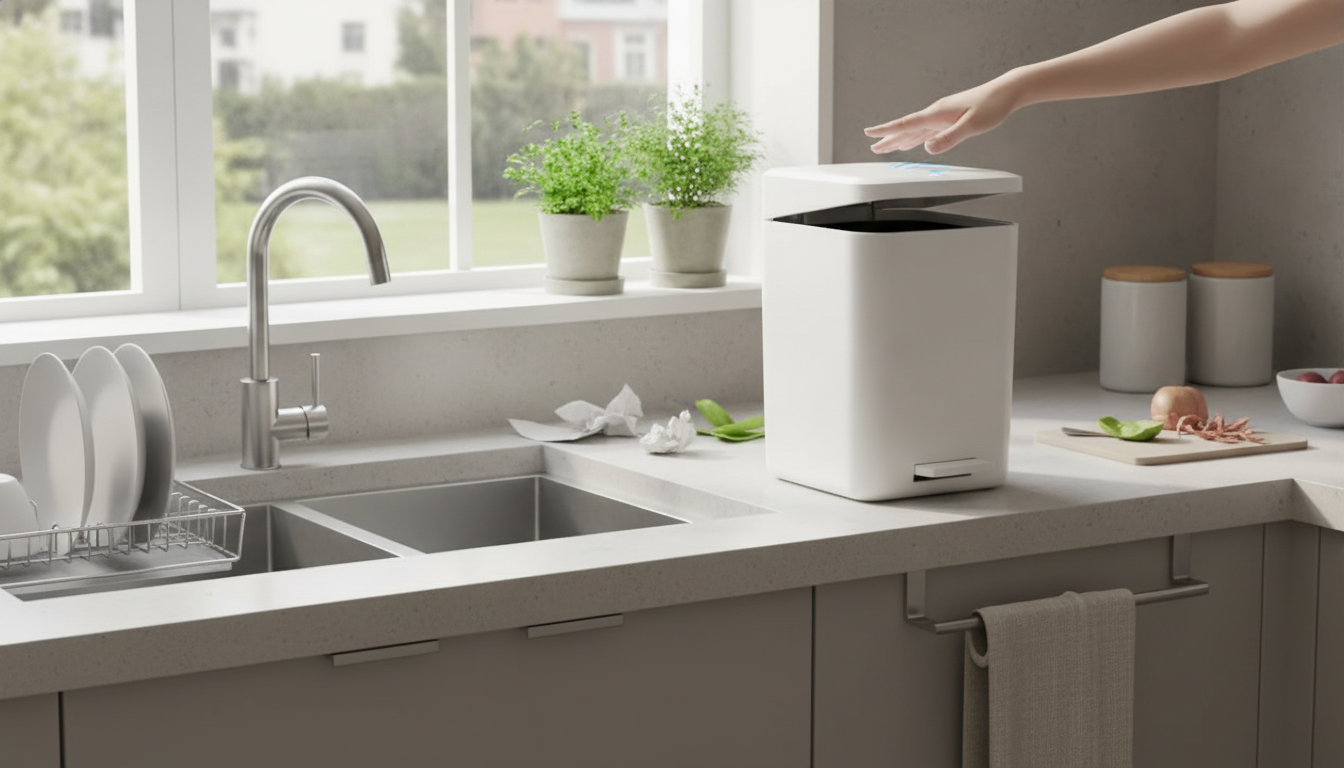
Cleaner Disposal for Busy Rooms: 17L Automatic Packing Sensor Trash Cans Explained
A sensor trash can can reduce mess, odors, and contact points—especially in kitchens, bathrooms, home offices, and care spaces. A 17L size often lands in the “easy to live with” zone: big enough for daily tosses, small enough to fit where a bulky bin won’t. Below is a practical breakdown of what “automatic packing” usually means, where 17L works best, what to look for in everyday use, and how to keep everything running smoothly.
What “automatic packing” and sensor opening typically mean
Different brands use slightly different language, but most automatic packing sensor trash cans focus on two upgrades: touchless access and a liner setup that stays neater.
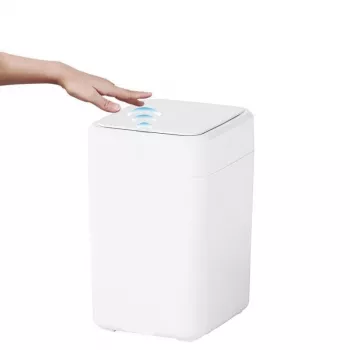
- Hands-free lid activation: The lid opens when motion is detected, cutting down on contact with germs and sticky residue—helpful during food prep or after diaper changes. The CDC notes that hand hygiene is a key defense against illness, and reducing touch points can support cleaner routines alongside regular washing (CDC: When and How to Wash Your Hands).
- Packing/lining support: “Automatic packing” commonly refers to design features that help the liner sit more securely (inner rings, clamps, tighter rim channels) and look less messy from the outside.
- More consistent containment: A steadier liner and a controlled lid cycle can help keep waste inside the bin and reduce rim overflow mess.
- Best expectations: Results depend on liner thickness, how full the bin gets, and how well the rim or inner ring secures the bag.
Why a 17L capacity can be the “just right” size
Seventeen liters is a sweet spot for small-to-medium waste volume without dominating floor space.
- Fits daily household use: Great for routine trash—paper towels, wrappers, coffee pods, cotton rounds—without needing a huge footprint.
- Ideal for targeted zones: Coffee stations, bathroom vanities, pantry corners, laundry rooms, and under-desk setups tend to work especially well.
- Encourages more frequent emptying: Smaller capacity can mean less time for odors to develop—particularly useful for bathroom waste.
- Consider room traffic: A high-traffic main kitchen may still prefer a larger can, while 17L is excellent for secondary kitchen placement or smaller households.
Core features that matter day to day
On paper, many sensor bins sound similar. In real life, small details shape whether it feels effortless—or finicky.
- Sensor responsiveness: Detection range and angle determine whether it opens reliably when you approach, but doesn’t “ghost open” when someone simply walks past.
- Lid speed and dwell time: A smooth open/close cycle helps keep odors in and reduces slamming or rattling. Fast isn’t always better if it closes before you finish tossing.
- Bag fit and retention: A secure inner ring or clamp prevents slipping and keeps the liner edge hidden for a cleaner look.
- Power and battery life: Check whether it uses replaceable batteries, rechargeable power, or an adapter option—and make sure the battery compartment is easy to access.
- Build quality: Look for a stable base, easy-clean surfaces, and rim shapes that don’t trap gunk where the bag folds over.
Placement ideas: where it shines (and where it struggles)
Sensor cans work best when they’re placed where your hands are busy and contact-free access actually solves a problem.
- Kitchen prep zones: Place near the cutting board for peels, packaging, and paper towels—without touching the lid with wet hands.
- Bathroom and nursery: Helpful for hygiene-focused disposal and quick tosses while multitasking.
- Pet areas: Convenient for treat wrappers, grooming waste, lint roll sheets, and quick cleanups.
- Avoid tight corners: Cramped placement can cause repeated triggers or lid bumps, especially if cabinets or doors swing nearby.
- Keep away from direct sun or heat vents: Strong light and heat can affect some sensors and may age plastics faster over time.
Setup checklist for reliable performance
A few minutes of setup can prevent most day-to-day annoyances like bag slips, false triggers, and lid interference.
Cleaning and odor control without damaging the sensor lid
For a bigger-picture approach, reducing what goes into the trash in the first place can also help keep odors down—especially with food packaging. The EPA has practical guidance on everyday waste reduction habits (U.S. EPA: Reduce, Reuse, Recycle).
At-a-glance: how it compares to common alternatives
| Option | What’s convenient | Potential trade-offs | Best for |
|---|---|---|---|
| Automatic packing sensor trash can (17L) | Hands-free opening; cleaner liner fit; more hygienic routine | Needs power; sensor placement matters; liner sizing is important | Bathrooms, nurseries, prep areas, home offices |
| Step pedal trash can | No batteries; reliable mechanical opening | Foot contact point; pedal can wear; lid can be louder | Kitchens and general-purpose rooms |
| Open-top bin | Fastest access; simplest design | Odors escape; visible waste; easiest to spill | Low-odor, low-volume spaces |
| Swing-top lid bin | Simple; partially covered | Can get messy around lid; not fully sealed | Laundry rooms, utility areas |
Who this 17L option is best suited for
In-stock picks to consider
FAQ
Will the sensor lid open every time someone walks by?
It depends on detection range, angle, and placement. Position the bin away from tight walkways, then test from typical approach angles and adjust until pass-by traffic stops triggering it.
What bag size works best for a 17L sensor trash can?
Use a liner slightly larger than 17L so it can fold over the inner ring with minimal stretching. A bag that’s too small slips easily, while an overly large bag can bunch and interfere with the rim seal.
How often should it be cleaned to prevent odors and sticking?
Wipe the exterior as needed, clean the rim and inner ring weekly, and deep-clean promptly after any leak. Dry all surfaces thoroughly, and avoid harsh cleaners near the sensor area.













Leave a comment