Severely Matted Cat Hair: Safe Removal Steps
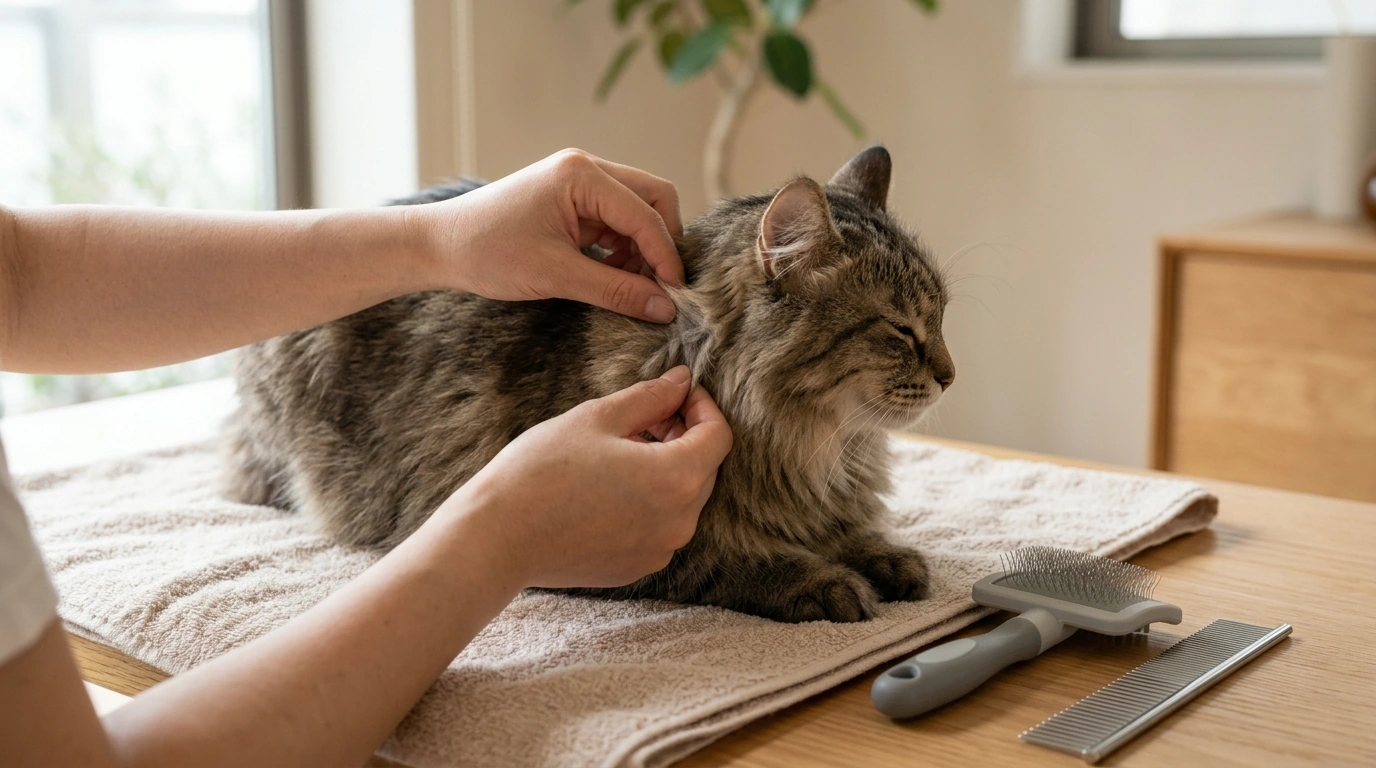
How do you get rid of severely matted cat hair?
Severely matted cat hair needs a slow, safety-first approach. Tight mats can pull on skin, trap moisture, and even hide wounds. If a mat is large, close to the skin, or your cat won’t tolerate handling, the safest option is a professional groomer or a veterinarian—especially for older cats, cats with thin skin, or cats that react aggressively when touched.
Step 1: Check the mat and the skin
Use your fingertips to feel where the mat starts and ends. Look for redness, odor, scabs, fleas, or dampness. If the skin looks irritated or the mat feels like a hard plate, stop and schedule help rather than forcing it at home.
Step 2: Stabilize the hair—don’t pull
Hold the fur at the base of the mat (closest to the skin) to reduce tugging. Work in a calm area and keep sessions short. A few minutes at a time is often more successful than one long struggle.
Step 3: Tease the mat apart in layers
Gently pick at the outer edges first, loosening small sections. A dematting comb can help, but use light pressure and short strokes directed away from the skin. If you hit resistance, change angles or move to a different spot instead of pulling harder.
Step 4: Brush out and prevent re-matting
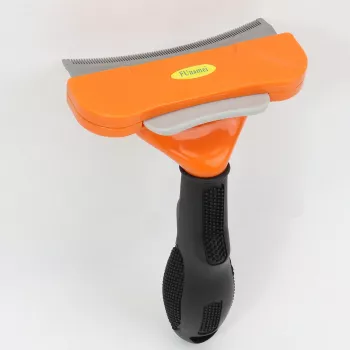
Once the mat loosens, switch to a deshedding or slicker-style brush to remove shed undercoat that fuels tangles. Regular, gentle grooming is the best way to stop mats from returning. For tool tips and technique, see the full guide here: deshedding brush guide for loose hair and tangles.
What not to do
Avoid bathing a matted cat before removing mats (water tightens them). Also avoid scissors near the skin—cat skin can be thin and easy to nick, especially under a tight mat.
FAQ
How often should I brush my cat to prevent mats?
Most cats do well with brushing 2–4 times per week, while long-haired or heavy-shedding cats often need brief daily sessions to keep undercoat from tangling.















Leave a comment