20-8-2 Rule for Standing Desks: Sit, Stand, Move
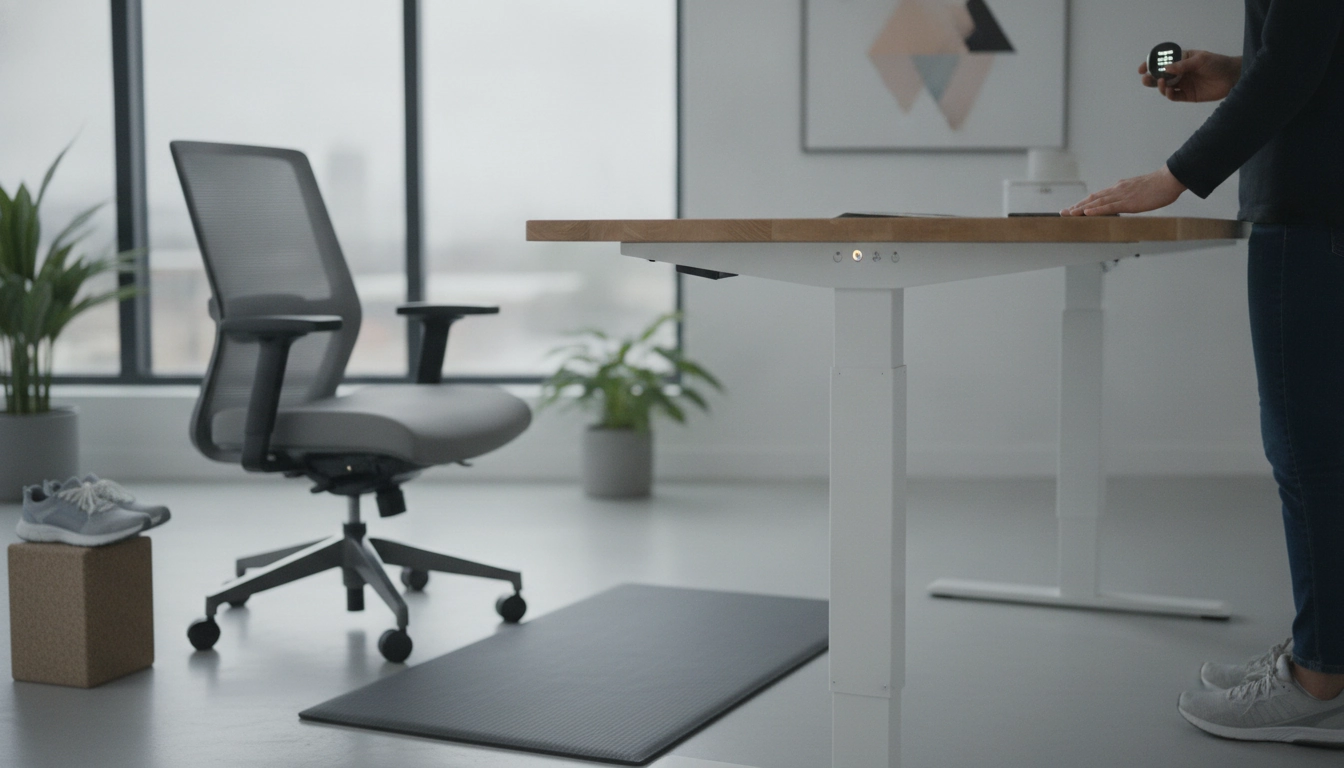
What is the 20 8 2 rule for standing desks?
The 20-8-2 rule is a simple cadence for alternating posture at a standing desk: sit for 20 minutes, stand for 8 minutes, and move for 2 minutes. The goal is to avoid staying in any single position long enough to feel stiff, fatigued, or sluggish, while still keeping your workflow steady.
How the 20-8-2 rule works in real life
Think of it as a repeating 30-minute cycle. You’ll spend most of the time seated (20 minutes), then switch to standing (8 minutes), then add a short movement break (2 minutes). Movement can be as small as walking to refill water, doing a quick lap around the room, or a few gentle stretches—anything that gets your joints changing angles and your muscles contracting.
This pattern can feel more sustainable than trying to stand for hours at a time. If you’re new to standing desks, it also helps prevent the common “too much, too soon” problem—like sore feet, low-back fatigue, or calf tightness—by keeping standing time deliberate and limited.
Tips to make the rule easier to follow
Use a timer or app to prompt switches, especially during focused work. Set your desk height so your elbows rest near a 90-degree angle and your wrists stay neutral when typing. When standing, keep your weight balanced and avoid locking your knees; a small footrest or shifting stance can help.
The “2 minutes of movement” is the most important part to keep. Even on busy days, that quick reset can reduce stiffness and improve comfort over long work sessions.
Choosing a desk that supports frequent transitions
Because the 20-8-2 rule relies on regular height changes, a stable, easy-adjust setup matters. For guidance on picking a size and build that fits your workspace and daily routine, see the full desk guide here: https://solstine.com/guide-55-inch-modern-standing-desk-metal-frame-solid-wood-top/.
FAQ
How long should you stand at a standing desk each hour?
A practical starting point is 5–15 minutes of standing per hour, then adjust based on comfort. Many people find alternating frequently feels better than long standing blocks.









Leave a comment