3.6M Thickened PVC Inflatable Kayak: Buying Guide
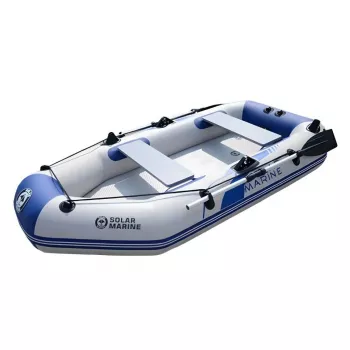
3.6M Thickened PVC Inflatable Kayak: Durable Comfort for Weekend Water Trips
A thickened PVC inflatable kayak balances portability with confidence on the water—packing down for transport while offering a tough outer shell for bumps, scrapes, and long days in the sun. This guide breaks down what matters most: material thickness, chamber design, handling, setup, care, and who this 3.6M size tends to suit best.
What “Thickened PVC” Changes on the Water
Thickened PVC is all about reducing the “delicate inflatable” feeling. For casual paddlers, that usually translates into more relaxed launches, fewer worries at the shoreline, and a kayak that holds its shape better once it’s pressurized correctly.
- Improved abrasion resistance when launching from rocky or sandy shorelines.
- Better shape retention at recommended pressure for steadier tracking.
- More confidence for casual paddlers who want fewer worries about scuffs and punctures.
- Trade-off to expect: thicker material can add pack weight and drying time.
Even with tougher PVC, treat the hull like gear you want to last: lift it over rough spots when possible, avoid dragging, and keep it out of prolonged heat when it’s packed.
3.6M Length: Who It Fits and How It Handles
A 3.6M (about 12 ft) inflatable kayak often hits a sweet spot for weekend paddling: long enough to cruise efficiently, still manageable to carry and store, and generally more confidence-inspiring than shorter “toy-style” inflatables.
- A 3.6M (about 12 ft) profile typically favors glide and straight-line paddling over quick pivots.
- Common use cases: calm lakes, slow rivers, bays with mild chop (when conditions are appropriate).
- Often suitable for one paddler with gear, or two paddlers when capacity and seating allow (confirm the specific load rating before purchase).
- Longer hulls usually benefit from consistent paddle cadence and trim (keep weight centered).
For the best “point-and-go” feel, keep heavier items low and near the centerline. If your kayak includes a fin/skeg, installing it correctly can reduce side-to-side wandering and make relaxed cruising noticeably easier.
Key Specs to Verify Before Buying
Two inflatable kayaks can look similar online and behave very differently on the water. Before checkout, confirm the fundamentals that affect safety, comfort, and how well the hull holds its intended shape.
- Maximum load capacity and recommended passenger count.
- Number of air chambers and whether the floor is a separate chamber (helps stiffness).
- Valve type and compatibility with the included pump.
- Seat type, back support, and adjustability for longer sessions.
- Tracking aids (skeg/fin) if included, plus replacement availability.
Quick Checklist for a Thickened PVC Inflatable Kayak
| Feature | Why it matters | What to look for |
|---|---|---|
| Thickened PVC construction | Durability against abrasion and UV exposure | Reinforced seams; material described as thickened; clear care guidance |
| Multiple air chambers | Reduces risk if one chamber loses pressure | Separate side chambers; independent valves |
| Rigid-feel floor design | Better tracking and comfort | High-pressure or drop-stitch-style floor (if offered); stable footprint |
| Skeg/fin support | Helps hold a straighter line | Removable fin; secure mounting |
| Repair kit included | Faster fixes in season | Patches + adhesive suited for PVC; clear instructions |
Setup and Inflation: A Reliable Routine
A consistent pre-launch routine reduces hassles on the beach and helps your kayak perform the way it’s designed to. It also makes it easier to spot small issues before they become trip-ending problems.
- Unroll on a clean surface; remove sharp debris before inflating.
- Inflate chambers in the recommended sequence (often floor first, then sides) to help the hull form correctly.
- Avoid overinflation in hot sun; pressure rises as air warms—recheck after launching.
- Seat and foot positioning: keep hips centered and weight balanced to prevent yaw.
- Do a short shoreline test: confirm valves are sealed and the kayak holds shape under light paddling.
If you paddle in strong sun, consider topping off pressure after 5–10 minutes on the water (if the manufacturer allows it). A hull that’s a little soft will tend to push water and feel sluggish; a properly inflated hull will feel livelier and track more predictably.
Care, Storage, and Lifespan Tips for Thickened PVC
Thickened PVC can take more routine knocks, but longevity still comes from good habits. A few minutes of post-trip care can prevent sticky valves, funky odors, and seam stress over time.
Safety Essentials for Inflatable Kayaking
For trip planning, use authoritative resources like the NOAA Weather Forecasts and review life jacket guidance from the U.S. Coast Guard. For broader paddling safety education, the American Canoe Association (ACA) Safety Resources are a solid reference.
Product Spotlight: 3.6M Thickened PVC Inflatable Kayak
If your goal is a weekend-ready inflatable that packs down for storage but feels more substantial once inflated, the 3.6M Thickened PVC Inflatable Kayak is designed around that balance.
More In-Stock Picks
- Smart Planter with Real-time Temperature and Soil Moisture Monitoring
- You Become Who You Surround Yourself With (Digital Download eBook)
- AI Image Prompts for Stunning Visuals (Digital Guide)
FAQ
How long does it take to inflate a 3.6M inflatable kayak?
Typical inflation time is about 5–15 minutes depending on your pump and target pressure. Multiple chambers can add a bit of time, but they often improve safety and help the kayak hold its intended shape.
Is thickened PVC good for rocky shorelines?
It generally offers better abrasion resistance than thinner materials, which helps during launches and landings. Even so, avoid dragging and try to carry the kayak over sharp rocks to extend its lifespan.
How should a PVC inflatable kayak be stored in the off-season?
Rinse it, let it dry completely, and store it out of direct sunlight in a cool place. Avoid tight creases and keep it away from high heat or solvents to protect seams and the PVC coating.















Leave a comment