40 PSI for Bike Tires: Too High, Too Low, or Just Right?
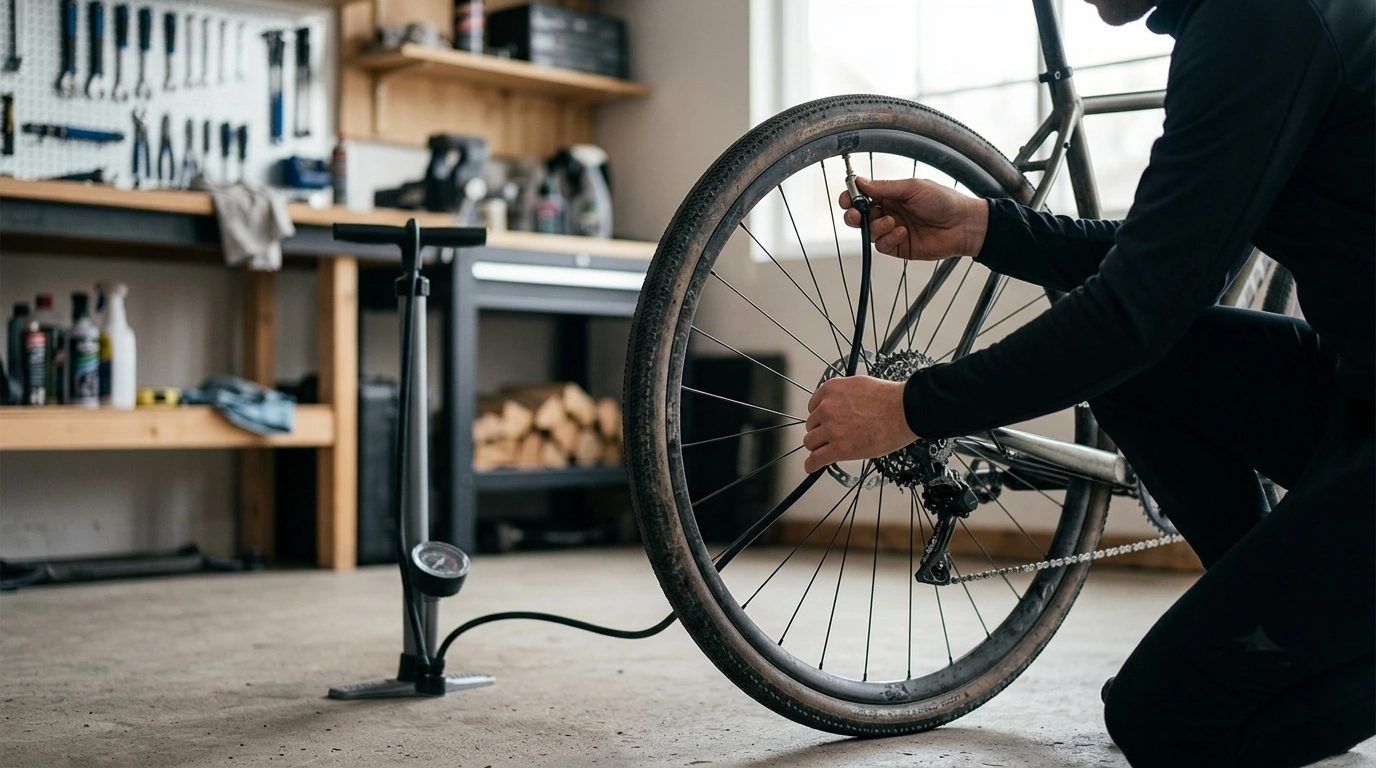
Is 40 PSI too high for bicycle tires?
It depends on the tire type, tire width, and what’s printed on the sidewall. For many adult bikes, 40 PSI is not automatically “too high,” but it can be the wrong pressure for your specific setup. The most reliable rule is to follow the tire’s marked minimum/maximum PSI range and then fine-tune for comfort, traction, and pinch-flat protection.
When 40 PSI is usually too high
On wider tires—especially many mountain bike tires—40 PSI can feel harsh, reduce grip, and cause the tire to bounce off rocks and roots. If you’re riding trails, loose gravel, or bumpy pavement on wide tires, 40 PSI may be above the sweet spot even if it’s not above the tire’s stated maximum.
When 40 PSI can be perfectly normal
For hybrid, fitness, and many commuter bikes with medium-width tires, 40 PSI can be a comfortable, efficient baseline. It can also be reasonable for some cruisers or city bikes that prioritize stability and comfort, as long as it stays within the tire’s labeled range.
When 40 PSI is too low (yes, that happens)
On narrow road tires, 40 PSI is typically far below what most riders use, which can increase rolling resistance and raise the risk of pinch flats. Many road tires are designed to run at much higher pressures than 40 PSI.
How to set the right pressure quickly
Start by checking the sidewall PSI range, then adjust based on ride feel. More pressure generally rolls faster on smooth surfaces, while less pressure improves comfort and traction on rough surfaces. If you want help hitting a precise number reliably, use a quality pump with an accurate gauge; see the detailed pump guide here: https://solstine.com/guide-160-psi-dual-valve-floor-pump-bikes-motorcycles/.
FAQ
How do I find the correct PSI range for my bike tires?
Look on the tire sidewall for a printed PSI (or bar) minimum and maximum. Stay within that range, then fine-tune based on comfort, grip, and the surfaces you ride.













Leave a comment