Smart Toilet Upgrade: Built-In Tank, Auto Flush + Remote
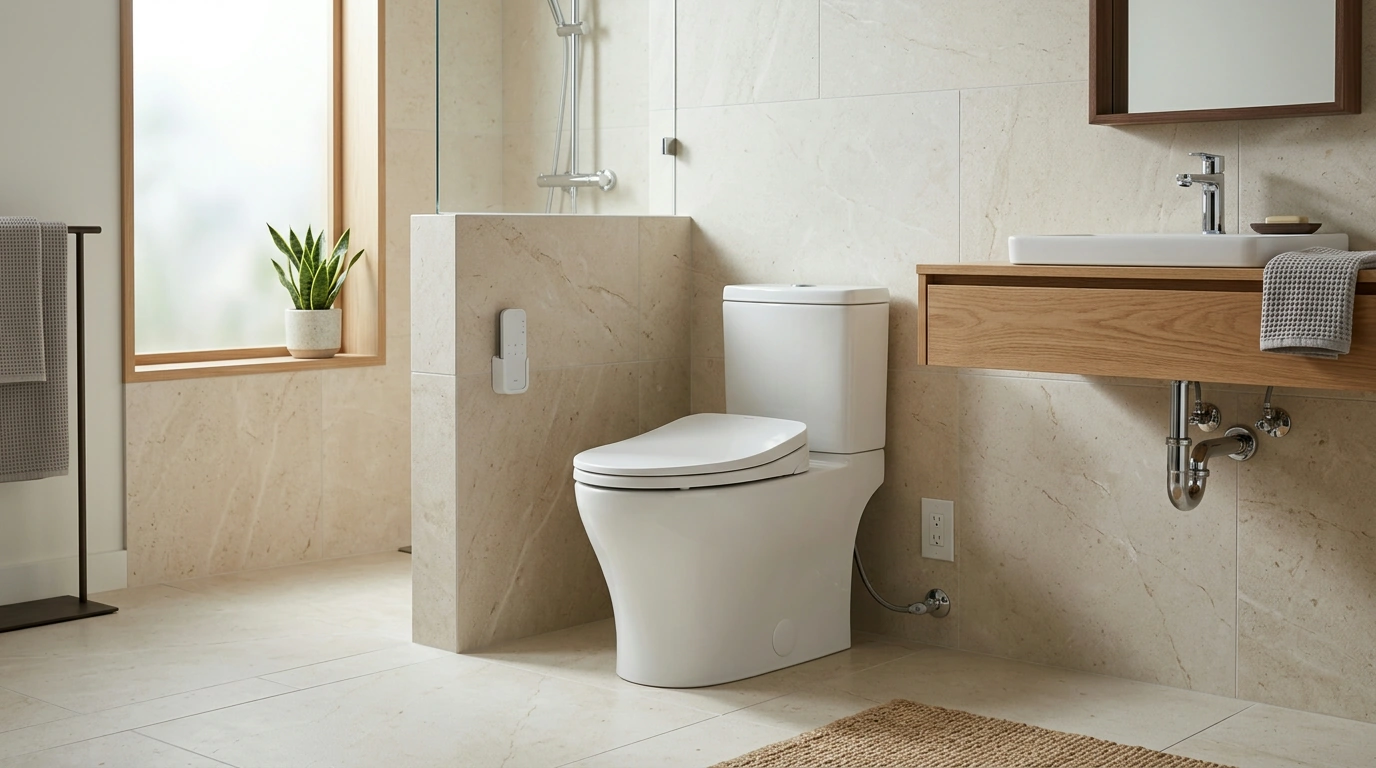
Smart Toilet with Built-in Water Tank, Automatic Flush, and Remote Control: A Cleaner, Easier Bathroom Upgrade
A smart toilet with an integrated water tank can simplify installation, reduce visible plumbing, and add convenience features like automatic flushing and remote control operation. The result is a bathroom that feels more streamlined day to day—less reaching for controls, fewer touch points, and a more modern one-piece look that pairs well with contemporary fixtures. Below is a practical breakdown of how these features typically work, what to plan for before installation, and how to keep performance reliable over time.
What Makes This Smart Toilet Different
- Built-in water tank design: Keeps the profile clean and can help in bathrooms where consistent water pressure is a concern.
- Automatic flush: Reduces touch points and helps keep the bowl fresher between cleanings.
- Remote control operation: Makes it easier to adjust settings without reaching for side knobs or leaning to access controls.
- Modern one-piece styling: Complements minimalist hardware, floating vanities, and vessel sinks for a cohesive look.
Built-in Water Tank: Practical Benefits and Tradeoffs
One of the biggest differences between smart toilet designs is how they handle flushing water. An integrated tank can offer a more predictable flush than some fully tankless options, particularly in homes where supply pressure fluctuates during peak usage. It also reduces visual clutter, since fewer connections are on display behind the toilet.
That said, built-in tank models still require basic planning: you’ll need a proper shutoff valve, enough clearance around the unit, and a clear understanding of how to access service panels for routine maintenance. Before purchasing, it’s worth confirming rough-in compatibility and how serviceable the internal components are.
Built-in tank feature checklist
| Item | Why it matters | What to confirm before buying/installation |
|---|---|---|
| Water supply connection | Prevents leaks and ensures reliable fill | Supply line size and shutoff valve access |
| Flush consistency | Helps avoid double-flush situations | Tank fill time and flushing behavior after power outage |
| Clearance and footprint | Avoids install surprises | Rough-in compatibility and side clearance |
| Serviceability | Makes upkeep faster | Access panels and availability of replacement parts |
Automatic Flush: How It Typically Works
Automatic flush systems are usually sensor-based. Many smart toilets use occupancy sensing to detect when someone has used the toilet, then trigger a delayed flush once the user stands. This “stand-to-flush” behavior helps reduce accidental flushing and keeps operation intuitive.
Hands-free flushing supports better hygiene in shared bathrooms by reducing contact with handles and buttons. If the model offers settings control, it may allow auto flush to be turned on/off or adjusted with a delay time—useful for preventing unwanted flushes during cleaning or when kids are learning to use the bathroom.
Because automatic features generally require power, it’s important to know what happens in an outage. Some units keep a manual flush option available, while others may have limited functionality until power is restored.
Remote Control: Everyday Comfort and Convenience
Installation Planning: Power, Water, and Rough-In Basics
- Electrical: Smart toilets commonly require a nearby GFCI outlet. Verify local requirements for bathroom outlet placement and protection; local code guidance often follows published standards such as those from the International Code Council (ICC).
- Water supply: Confirm the shutoff valve works smoothly and is accessible after installation. Replacing an aging supply line is a low-cost way to reduce leak risk.
- Rough-in measurement: Measure from the finished wall to the center of the floor drain/bolts to ensure the toilet matches the rough-in requirement.
- Floor and sealing: A level floor and correct sealing method (wax ring or approved alternatives based on flange setup) are essential for leak prevention.
- Professional help: If an outlet needs to be added or moved, or the flange height is incorrect, licensed trades can prevent expensive rework and water damage.
For water-efficiency context and toilet performance basics, the EPA WaterSense toilet guidance is a helpful reference point when comparing models and expectations.
Daily Use Tips for Reliable Performance
Cleaning and Maintenance Routine
Common Issues and Simple Troubleshooting
Product Spotlight: Smart Toilet with Built-in Water Tank, Automatic Flush, and Remote Control
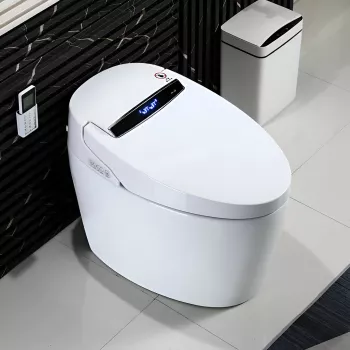
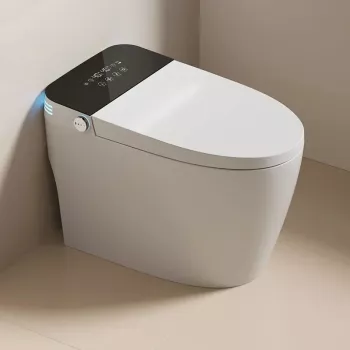
If the goal is a streamlined bathroom upgrade with integrated tank styling and touch-free convenience, the Smart Toilet with Built-in Water Tank, Automatic Flush, and Remote Control is designed to deliver that modern, low-clutter look while supporting a lower-touch routine. It fits especially well in primary bathrooms and guest baths where cleanliness and ease of use matter most.
For a coordinated modern aesthetic, pair it with a statement sink like the Ceramic Rectangular Vessel Sink with Blue Interior, or elevate the overall space with upgraded lighting such as the Luxury Rectangular Crystal Chandelier Ceiling Lamp for Living Room & Lobby in an appropriate bathroom location with adequate clearance and ventilation.
FAQ
Does an integrated water tank help if home water pressure is inconsistent?
It can. A built-in tank stores water for the flush, which often makes performance more predictable than fully tankless designs that rely heavily on steady line pressure, though reliable results still depend on correct supply connection and proper installation.
What happens if the power goes out?
Without power, automatic features like auto flush and remote-controlled functions are typically disabled, and any heated or powered comfort features may stop working. Some models provide a manual flush method, so it’s important to confirm the specific backup behavior for the unit.
Is professional installation recommended for a smart toilet?
Yes when electrical or plumbing changes are needed. A licensed plumber can help ensure correct flange sealing and leak prevention, and a licensed electrician is recommended if an outlet must be added or relocated; accurate rough-in measurement is also critical to avoid fit issues.













Leave a comment