3KW Wind Turbine Kit Guide: Real Output, Siting, Setup
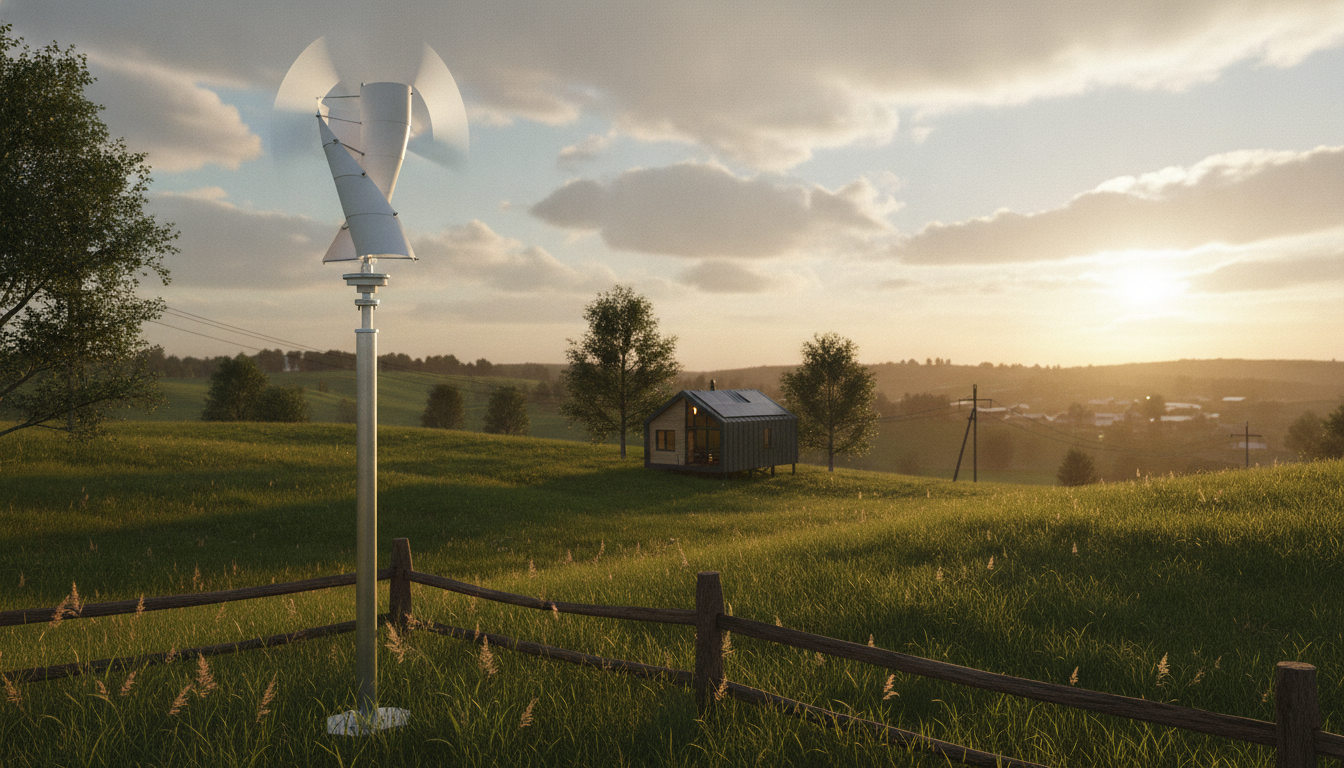
3KW High-Efficiency Wind Turbine Generator Kit: What to Expect, Where It Fits, and How to Set It Up
A 3KW wind turbine generator kit can be a practical way to produce power for off-grid cabins, workshops, RV battery banks, or hybrid home energy systems—when the site has consistent wind and the installation is done correctly. This guide breaks down realistic performance, key components, siting basics, installation planning, and upkeep so the system can operate safely and efficiently.
Who This 3KW Wind Turbine Kit Is For
A 3KW-class turbine is most useful when it’s part of a complete energy plan (generation + storage + safe controls), not a standalone gadget. It tends to shine in wide-open, wind-exposed locations where solar alone struggles during certain seasons or weather patterns.
- Off-grid or semi-off-grid setups that already use batteries and an inverter
- Remote locations where fuel delivery is costly and wind is steadier than sun during certain seasons
- Hybrid systems paired with solar to smooth out day/night or seasonal production
- Users comfortable with basic electrical and mechanical installation, or working with an installer
- Not ideal for low-wind suburban yards, turbulent rooflines, or areas with strict permitting limits
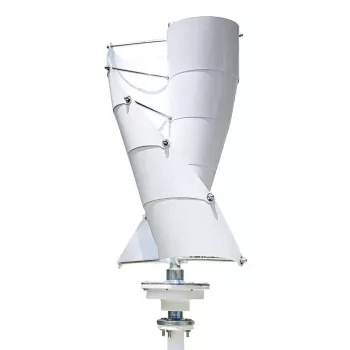
If you’re evaluating a specific unit, start with the product details and make sure the rest of your system can support it. See the 3KW High-Efficiency Wind Turbine Generator Kit for a ready-to-shop option, then plan the tower, wiring, and battery-side components around it.
What “3KW” Usually Means in Real Use
“3KW” is a rated peak power number, typically achieved at a relatively high wind speed under controlled conditions. Real-world production is better understood as energy over time (kWh per day or month), since wind varies hour to hour and turbulence can cut output while increasing wear.
- Rated power is typically measured at a specific (often high) wind speed; average output depends on local wind distribution
- Energy production is better thought of as daily or monthly kWh, not peak watts
- Turbulence from trees, buildings, and ridgelines can reduce production and increase wear
- Tower height and clear exposure often matter more than the turbine size alone
- A good expectation-setting step is comparing local annual average wind speed and using a power curve (when available)
Key factors that drive real-world energy yield
| Factor | Why it matters | Practical takeaway |
|---|---|---|
| Average wind speed | Power increases rapidly with wind speed | A small increase in average wind can dramatically increase yearly kWh |
| Turbulence/obstacles | Creates inconsistent loading and less efficient generation | Place the turbine well above nearby obstacles and away from roof edges |
| Tower height | Higher elevation usually means smoother, faster wind | Budget for a tower as a core performance component |
| Electrical losses | Long cable runs and undersized wiring waste power as heat | Use appropriate wire gauge and keep runs as short as practical |
| Battery/inverter limits | Charging and conversion caps can clip output | Match controller, battery bank, and inverter to expected current and voltage |
For background on small wind basics and how wind resources are evaluated, reference the U.S. Department of Energy guide on Small Wind Electric Systems and NREL’s overview of Wind Energy Basics. For practical wind data in many regions, NOAA’s National Data Buoy Center can help set expectations.
Core Components to Confirm Before Buying or Installing
A wind turbine kit is only one part of a safe, reliable system. Before purchasing or scheduling an install, confirm what’s included and what you’ll need to add for your specific site and electrical setup.
- Turbine generator and blades: check material durability, balance, and corrosion resistance for the local climate
- Charge controller or rectifier/regulator: ensures safe charging and braking/dump load behavior when batteries are full
- Dump load (if used): dissipates excess energy to protect batteries and electronics during high winds
- Tower and mounting hardware: the structural system is often the difference between stable output and ongoing problems
- Cabling, disconnects, and overcurrent protection: plan for safe servicing and code-compliant protection
- Battery bank and inverter (if off-grid): system voltage and current capability should align with turbine and controller specs
Siting and Tower Planning
For seasonal, remote use where wind power supports a campsite or base camp, gear that improves comfort and storage can matter too. If your setup includes longer stays, consider shelter like the Spacious 6-8 Person Waterproof Camping Tent with Three Rooms alongside your power plan.
Installation Overview (Planning Steps)
Common planning checklist items
| Item | Why it’s needed |
|---|---|
| Tower engineering review | Ensures wind loading, guying, and foundation are adequate |
| Grounding & surge protection | Reduces lightning and transient damage risk |
| Disconnects and overcurrent protection | Allows safe service and reduces fire risk |
| Controller compatibility | Prevents battery overcharge and manages high-wind conditions |
| Maintenance access plan | Makes inspections practical, which improves longevity |
Maintenance and Long-Term Reliability
Safety Notes That Shouldn’t Be Skipped
FAQ
How much power can a 3KW wind turbine produce in a day?
Daily energy (kWh) can vary dramatically because wind speed, turbulence, and downtime vary by site. The 3KW rating is a peak figure at a specific wind speed, so use local wind data and the turbine’s power curve (if available) to estimate realistic daily production—tower height and clean exposure often make the biggest difference.
Can a wind turbine kit charge batteries directly?
Yes, with the correct charge controller/rectifier and the right protections in place. Make sure the turbine/controller voltage matches your battery bank (commonly 12V/24V/48V or higher), and confirm fusing, disconnects, and dump load/braking behavior are appropriate for your battery chemistry and inverter/charger setup.
Do wind turbines work well on a rooftop?
Usually not. Rooftops tend to create turbulent wind and they transmit vibration and noise into the structure, while a dedicated tower in clean airflow is typically safer and produces more consistent power—plus it’s easier to design around permitting and structural loading.














Leave a comment