Convertible Anti-Theft Waterproof Nylon Daypack for Women
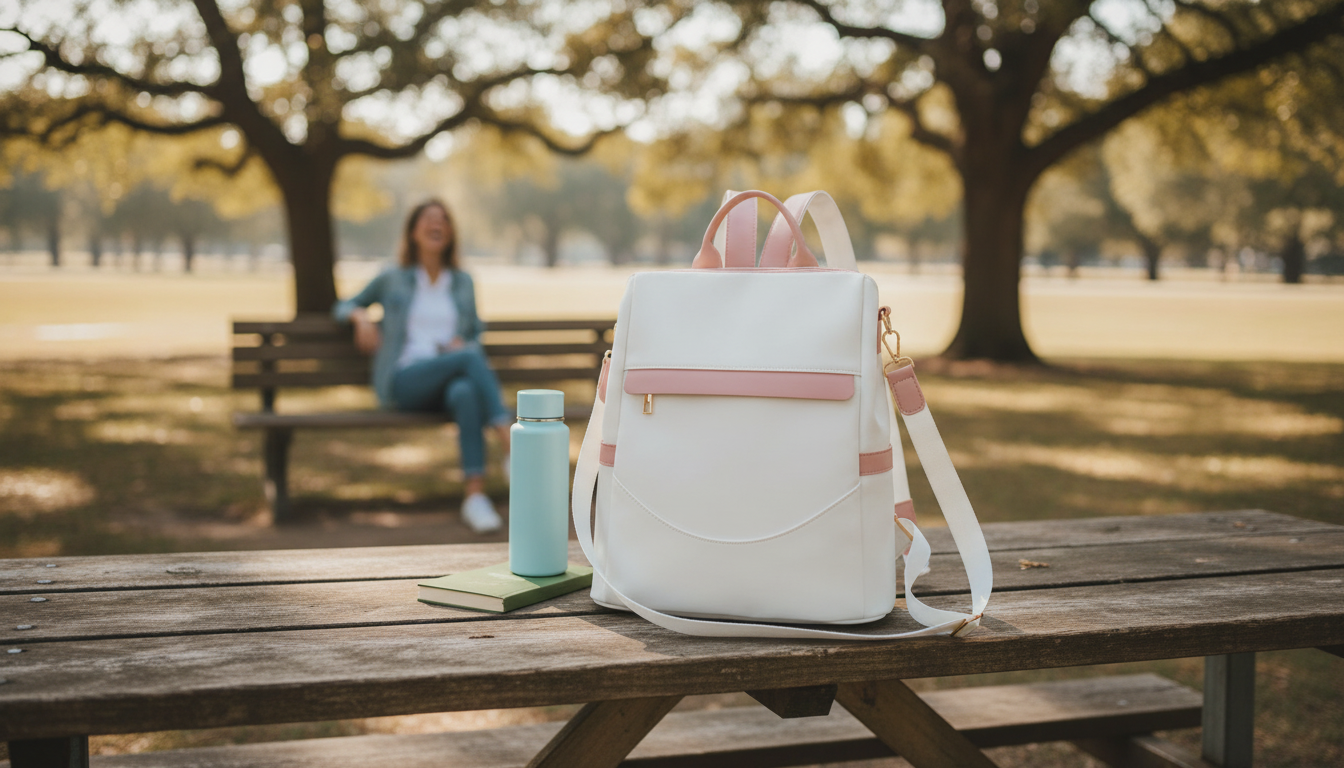
Women’s Anti-Theft Waterproof Nylon Backpack & Shoulder Daypack: A Practical Everyday Carry
A lightweight daypack that switches between backpack and shoulder carry can simplify commuting, errands, and travel days—especially when it adds water resistance and anti-theft design details. The right layout keeps essentials close, reduces fuss at checkout lines, and helps protect valuables in crowded places. Below is a straightforward guide to what matters most, how to organize it efficiently, and how to keep nylon looking sharp over time.
What Makes an Anti-Theft Daypack Different
Anti-theft daypacks are designed to make quick “grab-and-go” access harder for someone behind you. Instead of wide-open top entries or exterior zippers that are easy to unzip in a crowd, many anti-theft designs place the main opening closer to your back or in positions that are naturally blocked by your arm while walking.
Look for details that support everyday security: secure zipper paths, tighter openings, and concealed pockets for small valuables like a phone, wallet, passport, or keys. A compact profile also helps—smaller bags are less likely to bump into strangers on public transit, and there’s less surface area for someone to tug at unnoticed.
Even the best design works best with good habits. Keep zippers fully closed, store valuables in interior or concealed pockets, and in dense crowds (busy markets, festivals, train platforms) wear the bag forward or keep it tucked under your arm for tighter control.
Why Waterproof Nylon Works for Daily Use
Nylon is a favorite for daily bags because it’s lightweight, abrasion-resistant, and typically easy to wipe clean. A waterproof or water-resistant finish can help shed rain, splashes, and everyday grime—ideal for commutes where weather changes quickly or sidewalks aren’t exactly clean.
It’s still smart to keep expectations realistic: in heavy, sustained rain, seams and zippers are common entry points for moisture. If you regularly carry electronics, add an internal sleeve, zip pouch, or small dry bag for extra protection. For broader travel safety tips and situational awareness while on the move, the CDC’s travel safety guidance is a useful reference.
Quick Feature Guide
| Feature | Why it matters | Best for |
|---|---|---|
| Water-resistant/Waterproof nylon | Helps shed rain and stains | Commuting, travel days, errands |
| Anti-theft access design | Reduces easy opening in crowds | Transit, markets, tourist areas |
| Convertible carry (backpack/shoulder) | Adapts to outfit and setting | Office-to-weekend versatility |
| Multiple pockets/compartments | Keeps items separated and reachable | Keys, phone, cosmetics, chargers |
Carry Modes: Backpack vs. Shoulder Daypack
Convertible carry is most helpful when it genuinely changes how the bag feels during the day. Backpack mode distributes weight across both shoulders, which tends to feel more stable when you add a water bottle, umbrella, compact camera, or small tech accessories. It also reduces the “swing” that can happen with a single-strap bag during fast walking.
Shoulder carry can be ideal for quick stops—grabbing a transit card, paying at a counter, or moving through indoor spaces where a backpack can feel bulky. The most convenient convertible designs have straps that adjust quickly, lie flat, and don’t twist when switching modes.
For busy areas, keep the strap slightly shorter so the bag sits close to the body. A snug fit improves control, reduces bumping into others, and makes it harder for anyone to reach your zippers without being noticed.
Organization That Helps on Busy Days
Good organization isn’t about having endless pockets—it’s about consistency. Choose one “home” pocket for keys and keep it that way every day. That single habit can eliminate the last-minute scramble at your front door or while holding up a line at checkout.
Place high-frequency items (phone, earbuds, transit card, lip balm) where you can reach them without opening the entire bag. Store valuables deeper inside, ideally in a concealed or interior compartment. For anything that can leak—hand sanitizer, lotion, mini perfume—use a small pouch so spills don’t soak into fabric or reach devices.
A slim packing approach keeps compartments tidy: one small pouch for cables and chargers, another for cosmetics, and a third for meds or travel-size essentials. This makes it easier to move items between bags and keeps the interior from becoming a catch-all.
Comfort and Fit Tips
Comfort comes down to fit and restraint. Adjust strap length so the bag sits close to your body rather than hanging low and pulling backward. A higher, closer carry generally reduces shoulder strain and makes the bag feel lighter than it is.
Care, Cleaning, and Long-Term Use
For general guidance on product labeling and materials claims when shopping, the Federal Trade Commission is a reliable resource.
Where This Style Fits Best
In-Stock Picks to Consider
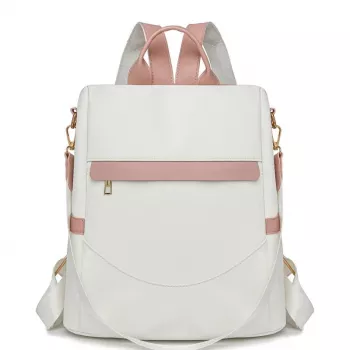
- Women’s Anti-Theft Waterproof Nylon Backpack & Shoulder Daypack (convertible carry with water-resistant nylon and security-minded access).
- Elegant Women’s Genuine Leather Sandals (an easy pairing for warm-weather commuting and weekend errands).
- Furla Women’s Green Leather Pumps (a polished option for office days when you want a streamlined carry-on bag and a dressed-up look).
FAQ
Is a waterproof nylon backpack fully waterproof in heavy rain?
Not always. Many nylon bags are water-resistant or have waterproof fabric, but seams and zippers can let moisture in during prolonged downpours; for electronics, use an internal dry pouch or protective sleeve.
How can a daypack be more secure in crowded places?
Choose designs with close-to-body openings and concealed pockets, keep zippers fully closed, and place valuables in interior compartments. In dense crowds, wearing the bag forward can add an extra layer of control.
What’s the best way to clean and maintain nylon bags?
Spot-clean with mild soap and a damp cloth, avoid bleach or strong solvents, and air-dry completely before storage. Periodically check zippers and stitching, and refresh water repellency with a compatible spray if the material supports it.














Leave a comment