3-Room 6–8 Person Waterproof Tent: Setup & Layout Tips
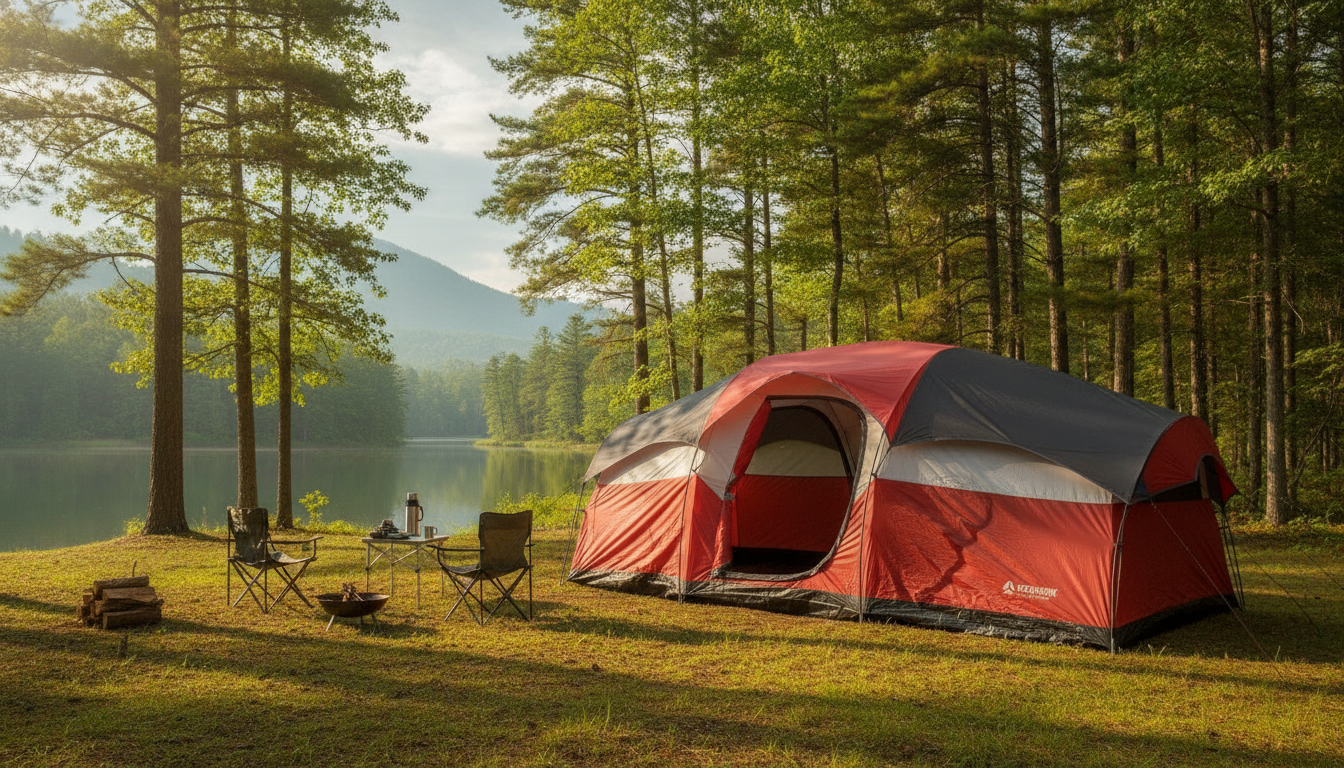
Spacious Group Camping Starts with a Three-Room Layout
A three-room tent can turn a busy campsite into a more organized, comfortable home base—separating sleeping areas from gear and giving everyone space to change, rest, and ride out wet weather. When you’re camping with family or a mixed group, that extra structure matters as much as square footage. Below is a practical guide to choosing a roomy 6–8 person waterproof tent with three rooms, planning the layout for real trips, and pitching it for reliable rain protection and airflow.
What “Three Rooms” Really Adds to Camp Comfort
“Three rooms” isn’t just a marketing label—it’s a way to create predictable zones in a shared space. With separate areas, mornings are less chaotic and nights are quieter.
- Dedicated zones: two sleeping areas plus a middle room for gear storage, changing, or a kid-friendly “staging” area.
- More privacy: dividers help families and friend groups avoid the all-in-one “bunk room” feel without hauling multiple smaller tents.
- Less clutter where you sleep: muddy shoes, packs, and coolers can live in the center room instead of beside sleeping bags.
- Better rainy-day livability: when weather traps everyone inside, a shared dry zone helps the tent feel usable rather than cramped.
Quick Specs Snapshot: Capacity, Layout, and Weather Protection
Large tents are often sized for maximum sleeping capacity using narrow pads, minimal gear, and no cots. For everyday comfort, plan conservatively and map the “real estate” before you leave.
- Capacity guidance: a “6–8 person” tent is typically most comfortable with fewer people when you add thick pads, double pads, cots, or lots of gear.
- Layout matters: three-room designs may use sewn-in walls, zip dividers, or removable partitions. Decide who sleeps where and how people will walk to the doors at night.
- Waterproofing is a system: fabric rating helps, but taped seams, rainfly coverage, guyline tension, and campsite selection are just as important.
- Ventilation you can keep open: look for high vents and door panels that can stay partially open during light rain to reduce condensation.
How to Match a 6–8 Person, Three-Room Tent to Your Trip
| Trip type | Recommended occupancy | Room use idea | Helpful setup tip |
|---|---|---|---|
| Family weekend | 4–6 people | 2 sleep rooms + central gear/changing room | Assign one entry as the “mud door” with a ground mat |
| Friends basecamp | 4–7 people | Sleep rooms + shared lounge area | Pack a small broom to keep floors clean |
| Rainy-season camping | 3–6 people | Extra space for drying lines and gear | Pitch on slight high ground; keep fly tensioned |
| Cot-based setup | 2–4 people | Wider aisles for cot frames | Measure cot width and plan door clearance |
Waterproofing That Holds Up Overnight
A large tent can stay dry through a long storm, but only when the rainfly, seams, and pitch all work together. The goal is to keep water from collecting anywhere and to keep wind-driven rain from pushing under edges.
- Choose full-coverage rainfly protection: the closer the fly comes to the ground (without blocking ventilation), the better it shields sidewalls from splashback and wind.
- Confirm seam protection: factory-taped seams are ideal; if seams aren’t taped, apply seam sealer before the first wet trip and allow proper cure time.
- Use the right-size groundsheet: the footprint should match the floor and never stick out beyond it, or rain can funnel underneath.
- Stake and guy out completely: a loose fly can sag, pool water, and increase the chance of seepage at stress points.
For storm awareness and safety planning, follow local forecasts and guidance, including the National Weather Service’s lightning safety recommendations.
Ventilation and Condensation Control in Large Tents
Even a “waterproof” tent can feel damp inside if condensation builds overnight. In big cabins and multi-room layouts, moisture often comes from breath, wet clothes, and humid air trapped inside.
Room Planning: Sleeping Pads, Cots, and Gear Storage
To reduce campsite impact while organizing gear, follow the Leave No Trace Seven Principles—especially when choosing durable surfaces and managing waste.
Setup Tips for Faster Pitching and Better Storm Performance
Who This Style of Tent Fits Best
Featured Gear Picks (In Stock)
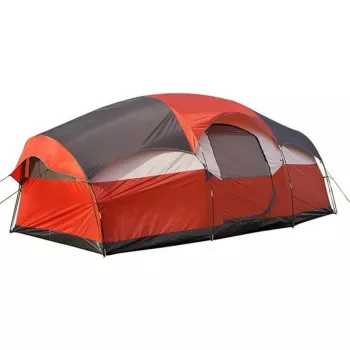
- Spacious 6-8 Person Waterproof Camping Tent with Three Rooms — a large-format option built around distinct living zones for group comfort, organization, and basecamp-style trips. For best results, fully stake it out, tension the fly, and use a correctly sized footprint.
- Universal Travel Suitcase with 360° Spinner Wheels — a handy companion for road trips and fly-in adventures when you want to keep camp gear, clothing, or sleeping layers organized from trunk to tent.
FAQ
How many people can sleep comfortably in a 6–8 person three-room tent?
For most trips, 4–6 people is a comfortable range when you want space for gear and easy walkways. If you’re using cots or wide/double pads, plan closer to 2–4; if everyone uses compact pads and stores gear in the center room, you can push higher.
How can a large tent stay waterproof in heavy rain?
Use a full-coverage fly, rely on taped seams or apply seam sealer, and make sure your footprint doesn’t extend beyond the floor. Pitch on slightly higher ground, stake and guy out for firm tension, and re-tension the fly after the fabric relaxes to prevent sagging and pooling.
How do three-room dividers help with condensation and comfort?
Dividers help by keeping wet gear contained and reducing crowding around sleeping areas, which improves airflow where it matters most. Pair that separation with high vents and partial door venting to maintain a cross-breeze and keep damp items in the gear room.













Leave a comment