Grooming Glove for Cats: Calm Deshedding & Bonding
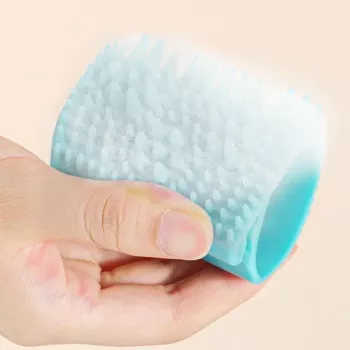
A Calmer Way to Deshed and Bond: Why a Grooming Glove Helps
Loose fur, small tangles, and peak shedding season can make even the sweetest cuddle sessions feel like constant cleanup. A cat grooming massage glove offers a low-pressure alternative to traditional brushes by combining gentle fur pickup with a hand-like “petting” motion. For many cats—especially those that dodge combs or dislike the feel of stiff bristles—this approach can turn grooming into a brief, soothing routine that supports a cleaner coat and a tidier home.
Why a Grooming Glove Works for Many Cats
Some cats interpret a standard brush as “too much,” too fast—especially if they’ve had a tuggy experience with a slicker brush or a comb. A grooming glove changes the vibe.
- Feels like petting: Because the glove follows the natural motion of your hand, it often reduces resistance in cats that avoid brushes.
- Lifts loose hair from the topcoat: The textured surface helps collect shed fur while lightly stimulating the skin with a massage-like touch.
- Helps contain shedding: Removing loose hair before it lands on furniture and clothing can noticeably reduce daily cleanup.
- Great for quick touch-ups: A glove is ideal between deeper grooming sessions that require a comb (especially for long-haired cats).
Best Uses Around the Home
A grooming glove shines when it’s used in short, consistent moments rather than long “spa sessions.” Consider keeping it in the spot where your cat already likes to lounge.
- After naps: A short session can catch fur that loosens while your cat sleeps.
- Before vacuuming: Collect fur first so less hair ends up on floors and rugs.
- During seasonal shedding: Increase frequency but keep sessions shorter to avoid overstimulation.
- In multi-cat homes: Groom one cat at a time to minimize stress and reduce scent mixing.
How to Use a Massage Brush Glove Safely
Grooming should look and feel calm. If your cat starts signaling “no,” it’s better to stop early than push through and create a negative association.
- Start small: Begin with 30–60 seconds on shoulders and back, then pause to gauge comfort.
- Use light pressure: The glove should glide over the coat rather than scrape the skin.
- Avoid sensitive areas at first: Belly, tail base, and inside legs can be overstimulating—introduce gradually if tolerated.
- Watch for stress signals: Stop if you see repeated tail flicking, growling, skin twitching, attempts to leave, or redness.
- For long-haired cats: Work in the direction of coat growth to reduce tugging.
For broader cat grooming guidance, see the ASPCA’s cat grooming tips, which emphasize gentle handling and regular routines.
Coat Types and What to Expect
Not every coat behaves the same. A glove can be a fantastic “daily driver,” but it isn’t always a complete replacement for a comb—especially when undercoat and mats are part of the picture.
Grooming glove guidance by coat type
| Coat type | Session length | Frequency | Extra tool to consider |
|---|---|---|---|
| Short-haired | 1–3 minutes | 3–5x/week | Soft bristle brush for polishing |
| Medium-haired | 2–5 minutes | 3–6x/week | Metal comb for early tangles |
| Long-haired | 3–7 minutes | Daily during shed season | Wide-tooth comb and mat splitter (if needed) |
| Double-coated | 2–5 minutes | 4–7x/week during heavy shed | Undercoat rake used gently (if tolerated) |
If your cat is prone to dandruff, greasiness, or persistent skin irritation, coat changes can be a clue that something else is going on. The Cornell Feline Health Center is a helpful starting point for learning more about feline skin and coat health.
Keeping Sessions Stress-Free
The goal is a routine your cat accepts—and maybe even requests. Many cats do better with predictable, low-intensity sessions.
- Make it predictable: Same spot, same time, similar duration. Consistency builds trust.
- Reward the routine: Offer a small treat afterward to create a positive association.
- Keep it short: Two mini-sessions often work better than one long session.
- Choose a relaxed moment: Groom after play or after a meal when your cat is already calmer.
- Reduce noise: If your cat is sound-sensitive, avoid grooming near loud appliances.
Cleaning and Care for Better Fur Pickup
When Grooming Should Include a Vet Check
For general pet care resources and guidance on when to seek professional help, the AVMA’s pet owner resources can be useful.
Product Picks Available Now
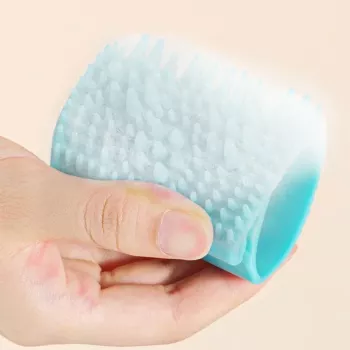
If your cat responds better to hand-like grooming, the Cat Grooming Massage Brush & Fur Removal Glove is a simple, budget-friendly option for routine deshedding and gentle massage. It’s well-suited to quick daily upkeep and cats that prefer a calmer approach. For long-haired or mat-prone cats, pairing a glove with a metal comb helps you catch early tangles before they tighten.
- Smart Planter with Real-time Temperature and Soil Moisture Monitoring
- You Become Who You Surround Yourself With (Digital Download eBook)
FAQ
How often should a cat be groomed with a grooming glove?
Short-haired cats often do well with 1–3 minutes, about 3–5 times per week. Long-haired and double-coated cats may benefit from shorter, more frequent sessions—sometimes daily during heavy shedding—while reducing frequency if you notice redness or sensitivity.
Can a grooming glove replace a comb for long-haired cats?
It can remove surface loose fur and make grooming feel more comfortable, but it usually won’t replace a metal comb for finding early tangles and preventing mats. A practical routine is glove sessions most days with a careful comb-through a few times per week.
What should be avoided when using a fur removal glove on a cat?
Avoid heavy pressure, working over tight mats that tug, and starting on sensitive areas before your cat is acclimated. Don’t groom over broken or irritated skin, and stop immediately if your cat shows clear stress signals like growling, repeated tail flicking, or trying to leave.














Leave a comment