CO2 Mini Bike Inflator: Fix Flats Fast on Any Ride
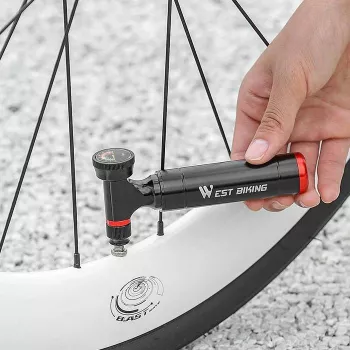
CO₂ Mini Bike Tire Inflator Pump: Fast Flats Fix for Road, Gravel, and MTB
A compact CO₂ inflator can turn a ride-stopping puncture into a quick pit stop. Instead of grinding away with a tiny pump on the shoulder of the road, you get a rapid burst of compressed gas that brings your tire back to life in seconds. Below is a practical guide to what a mini CO₂ inflator does, what to carry with it, how to use it without wasting a cartridge, and when a traditional hand pump is still the smarter option. For more guidance, see Review: Cycplus AS2, AS2 Pro and AS2 Pro Max mini e-pumps.
What a CO₂ mini inflator does (and what it doesn’t)
A CO₂ mini inflator is built for one job: delivering a fast blast of compressed gas to reseat and inflate a tire quickly—perfect for roadside repairs, group rides, and race-day stops. With the right cartridge size, inflation happens in seconds rather than minutes. For further reading, see Rechargeable Tire Pump: CYCPLUS AS2 Pro Max Review.
That speed comes with tradeoffs. CO₂ systems aren’t designed for repeated top-offs the way a frame pump is, and they don’t offer the same fine-tuning for “just right” pressure on the fly. Also, CO₂ tends to leak through inner tubes faster than regular air, so a tire that feels great at mile 30 may feel noticeably softer a few hours later. Plan to reinflate with a standard pump when you get home.
Finally, performance depends on cartridge size, tire volume, and starting pressure. Bigger tires (especially MTB) simply need more gas to reach useful pressures.
CO₂ Mini Bike Tire Inflator Pump (product overview)
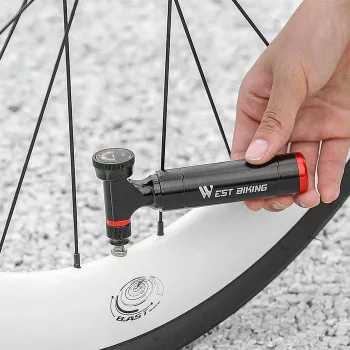
The CO₂ Mini Bike Tire Inflator Pump is a pocket-size inflator designed to pair with threaded CO₂ cartridges for quick inflation during rides. It fits easily in a saddle bag, jersey pocket, or compact tool roll alongside a tube, tire levers, and a multitool.
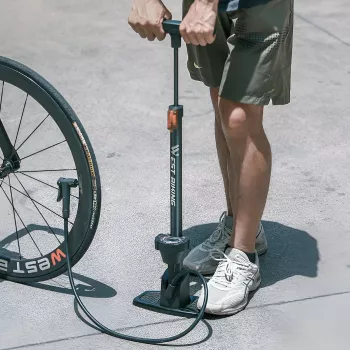
It’s a strong match for road bikes where higher pressure is needed fast, and it’s also useful with tubeless setups—where a sharp burst can help seat a bead in the field. Many riders carry CO₂ even when they bring a mini hand pump: CO₂ handles speed, while a hand pump covers slow leaks and pressure adjustments after the initial fix.
| Item | Details |
|---|---|
| Product | CO₂ Mini Bike Tire Inflator Pump |
| Price | $33.51 USD |
| Availability | In stock |
| Best use | Fast roadside inflation after a puncture or sealant plug repair |
| Carry with | Threaded CO₂ cartridges, spare tube/plug kit, tire levers |
How to use a CO₂ inflator without wasting a cartridge
The biggest CO₂ mistake is firing a cartridge before the real problem is solved. Start with the basics: find and remove the cause of the flat (glass, wire, thorn), then complete the repair (swap the tube or install a tubeless plug) before you install the cartridge.
Next, check your valve type (Presta vs. Schrader) and confirm the inflator head is set correctly before piercing anything. A quick refresher on valve types can prevent costly errors; Sheldon Brown’s reference is a solid overview: https://www.sheldonbrown.com/tyres.html.
Only thread the cartridge in when you’re ready to inflate. During discharge, the cartridge can become extremely cold within seconds—keep fingers off the bare metal and hold the inflator body instead. Inflate in short bursts, pausing to check the tire’s seating and pressure by feel. Once the tire looks seated, spin the wheel and listen for leaks. If you hear hissing, stop and fix it before reaching for a second cartridge.
For step-by-step tire repair basics (especially helpful if you’re troubleshooting repeated flats), Park Tool’s repair help is a reliable resource: https://www.parktool.com/blog/repair-help.
Cartridge sizing and realistic expectations by tire type
| Tire setup | Goal | Common cartridge approach |
|---|---|---|
| 700×23–28 road | Get rolling at higher pressure | Often 1 small cartridge; inflate carefully in bursts |
| 700×32–45 gravel | Moderate pressure for control | Often 1 larger cartridge; may need 2 for higher pressure |
| 27.5/29 MTB | Trail-ready pressure | Often 1–2 larger cartridges; volume varies widely |
| Tubeless (any) | Seat bead + ride | CO₂ can help bead seating; carry sealant/plug kit as well |
Safety and handling: avoiding frozen fingers and damaged valves
CO₂ inflator vs mini hand pump: when each wins
What to pack with a CO₂ inflator for fewer mid-ride surprises
If your rides include car camping or multi-day basecamp adventures, it can also help to keep comfort gear ready for downtime, like the Spacious 6-8 Person Waterproof Camping Tent with Three Rooms for a dry staging area, and easy off-bike footwear such as the Elegant Women’s Genuine Leather Sandals.
FAQ
Will CO₂ damage tubeless sealant?
Many sealants still work with CO₂, but some formulas can coagulate faster or behave differently after a CO₂ inflation. A good practice is to reinflate later with regular air and keep an eye on sealing performance over the next ride or two.
How many CO₂ cartridges should be carried for a typical ride?
Two cartridges is a practical baseline: one for the main inflation and one for a second attempt or a higher-volume tire. For longer or more remote rides, consider carrying an extra cartridge or adding a mini hand pump as a backup.
Can a CO₂ inflator work with both Presta and Schrader valves?
It depends on the inflator head design—some are dual-head, while others require flipping an internal grommet or using an adapter. Check valve compatibility before buying, and test your setup at home so you’re not troubleshooting on the roadside.













Leave a comment