Cordless Robotic Pool Vacuum Cleaner Buying Guide
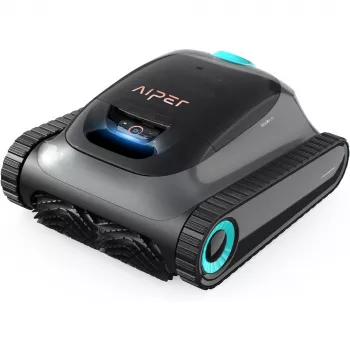
Cordless Robotic Pool Vacuum Cleaner: Clean Floors and Walls Without Hoses or Cords
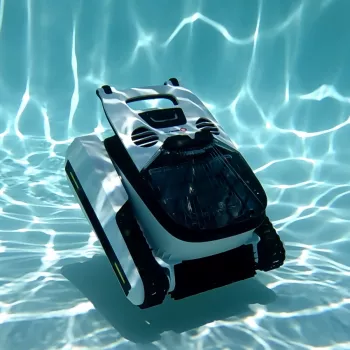
A cordless robotic pool vacuum cleaner takes daily pool cleanup off your plate by running untethered, collecting debris, and navigating typical pool shapes without the hassle of power cords or external pumps. This guide breaks down how cordless models work, what to look for before buying, and how to get consistent results across floors, slopes, and walls.
What a Cordless Robotic Pool Vacuum Cleaner Does
Cordless pool robots are designed to simplify routine maintenance by handling the dirtiest, most time-consuming part of pool care: removing debris from submerged surfaces.
- Moves independently across the pool floor (and, on some models, up walls) to lift dirt and capture debris in an onboard filter.
- Runs on an internal rechargeable battery, avoiding tangled cords and reducing setup time.
- Uses internal motors and suction to pull in leaves, sand, silt, and algae film (performance depends on filter type and water conditions).
- Helps maintain clarity between full manual cleanings by keeping debris from breaking down and clouding water.
- Works best as part of a routine that also includes skimming, balanced chemistry, and periodic brushing.
How Cordless Pool Robots Navigate and Clean
Even without hoses and a separate pump connection, a cordless robot still has to solve three problems: move reliably, pick up debris efficiently, and avoid getting “stuck” in common trouble spots.
Drive system
Wheel-driven and track-driven robots can both clean well, but traction and stability vary by surface. Smooth fiberglass and vinyl can be slippery, while textured plaster or pebble finishes can help gripping—especially on slopes.
Cleaning pattern
Many cordless models use randomized coverage, changing direction after contacting walls or detecting resistance. More advanced navigation can reduce repeat passes and improve coverage consistency, which matters most in larger pools or irregular shapes.
Suction + filtration
Debris is pulled into an internal basket or cartridge. Fine filtration captures smaller particles like dust and silt, but it usually needs more frequent rinsing to keep suction and movement strong.
Edge behavior and waterline cleaning
Steps, benches, and sun shelves are where robots most often struggle. Some units can climb walls, but sustained waterline scrubbing typically requires a design built for vertical traction and the right surface conditions.
Quick Comparison: Cordless vs Corded vs Suction-Side Cleaners
All pool cleaners reduce manual work, but they do it in different ways. Choosing the right category often comes down to how often you want to run it, how large your pool is, and how much setup friction you’re willing to tolerate.
| Type | Power Source | Setup | Best For | Tradeoffs |
|---|---|---|---|---|
| Cordless robotic | Rechargeable battery | Very quick (drop in, start) | Routine maintenance and quick cleanups | Limited run time; charging needed |
| Corded robotic | Plug-in power supply | Moderate (manage cord) | Longer cycles and larger pools | Cord management; outlet proximity |
| Suction-side | Pool pump suction | Hose routing required | Budget-friendly basic cleaning | Uses pump energy; can miss fine debris |
| Pressure-side | Pool return pressure / booster (sometimes) | Hoses + fittings | Leaf-heavy pools (with bag) | More plumbing complexity; can be louder |
Performance Factors That Matter Most
- Pool size and shape: Match the robot’s recommended coverage to your pool’s area/length and note tight corners or complex geometry.
- Surface type: Plaster, pebble, vinyl, and fiberglass affect traction and wall-climbing reliability.
- Debris profile: Leafy yards benefit from larger intake capacity; dusty environments need finer filtration and more frequent rinsing.
- Run time and recharge time: Longer cycles help with full coverage; faster charging supports frequent cleanings.
- Filter access and cleaning: Top-access baskets and easy-rinse cartridges make maintenance faster after each cycle.
- Waterline and wall capability: Confirm whether the unit is designed for floor-only or floor-and-wall cleaning.
Using a Cordless Pool Robot for Consistent Results
Getting predictable, repeatable cleaning results is less about “set it and forget it” and more about a simple routine that keeps the robot moving freely and filtering at full strength.
For the rest of pool health, keep basic safety and water balance practices in place. Helpful references include the CDC’s Healthy Swimming guidance, the U.S. Consumer Product Safety Commission’s pool and spa safety information, and NSF’s overview of recreational water health topics.
Product Option
If you want a ready-to-deploy cordless option for hands-off routine cleaning and reduced setup hassle, consider the Cordless Robotic Pool Vacuum Cleaner. It’s best suited for pool owners who prefer frequent, cable-free cleanups and easy storage between cycles. Before purchase, confirm pool size coverage, wall-climbing capability (if needed), filtration type, and cycle time to match your pool and debris conditions.
More In-Stock Options
For other home and outdoor upgrades available now, you can also browse the Smart Planter with Real-time Temperature and Soil Moisture Monitoring for simple garden care support.
Common Fit Checks Before Buying
FAQ
How long does a cordless robotic pool vacuum cleaner run on a charge?
Run time varies by model and cleaning mode, but many cordless robots fall in the 60–180 minute range. Heavy debris, frequent wall climbing, and clogged filters can shorten run time because the motors work harder.
Do cordless pool robots work on walls and waterlines?
Some cordless robots are floor-only, while others are built to climb walls. Waterline cleaning is more demanding and typically requires a model designed for sustained vertical traction; results also depend on pool surface type and conditions like algae film or slick finishes.
What maintenance is required after each cleaning cycle?
After each cycle, remove and rinse the filter or debris basket, check intake areas for hair or leaves, recharge the unit, and store it shaded and dry. Periodically, do a deeper rinse/inspection to prevent buildup that can reduce suction and mobility.













Leave a comment