Copper & Crystal Medieval French Pendant: Sizing & Care
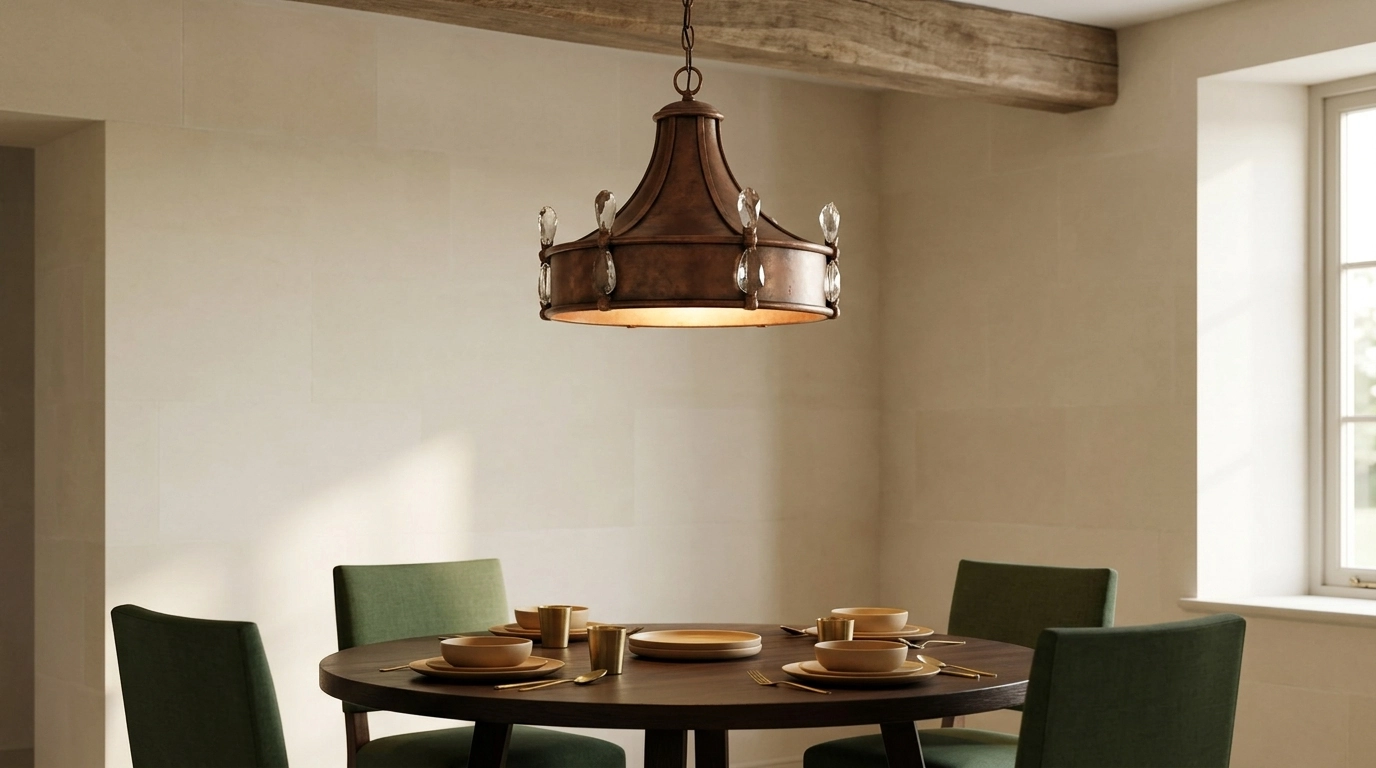
French Medieval Copper Crystal Pendant Light: Old‑World Craft, Prismatic Glow
A French medieval–inspired pendant light brings the warmth of copper together with the sparkle of crystal for a statement that feels both historic and refined. The effect is equal parts fortress romance and salon elegance: a warm metal presence that reads “old-world,” plus crisp crystal highlights that keep the look from feeling too heavy. Below is a practical guide to what defines the style, where it shines most, how to size and hang it, and what to expect from copper-and-crystal construction in everyday homes. For more guidance, see The Science of Medieval Glass and the Play of Light in Dante.
What Gives This Pendant Its Medieval French Character
The medieval French look isn’t about being dark or rustic for its own sake—it’s about materials and proportions that feel rooted in tradition, then lifted by light. For further reading, see Antique French Louis XIV Style twelve branch ormolu chandelier ….
- Copper-toned metalwork: The warm, timeworn reading echoes candlelit interiors, patinated antiques, and hand-worked hardware you’d expect in historic spaces.
- Crystal accents: Crystal adds pinpoint highlights and refraction, balancing a heavier silhouette with shimmer that feels intentional rather than flashy.
- Downward focus with outward sparkle: A pendant concentrates light toward the table or floor while still casting lively glints around the room—ideal for layered ambience.
Materials and Finish: Copper + Crystal in Real Homes
Copper and crystal are a surprisingly flexible pairing. Copper brings warmth and depth; crystal keeps the fixture visually “lit” even when the room palette is moody.
- Color compatibility: Copper finishes complement wood beams, stone textures, and saturated paint colors like forest green, oxblood, and charcoal.
- Visual balance in smaller rooms: Crystal elements brighten the profile, so the fixture doesn’t read as overly dense in a compact foyer or intimate dining room.
- Longevity basics: Keep copper dry and dust regularly; avoid abrasive cleaners that can strip protective coatings or scratch crystal.
- Aged finishes are meant to vary: If the finish is intentionally antiqued, slight tonal variation is part of the charm—and it helps disguise everyday fingerprints.
Care and cleaning quick guide
| Part | What to use | What to avoid | How often |
|---|---|---|---|
| Copper body | Soft microfiber cloth; mild soap solution if needed | Abrasive pads, harsh solvents, acidic cleaners | Dust weekly; wipe monthly |
| Crystal pieces | Lint-free cloth; gentle glass cleaner sprayed on cloth (not directly on fixture) | Soaking while installed; spraying into sockets | Dust weekly; clean quarterly |
| Hardware/chain | Dry cloth; check fasteners | Over-tightening into soft ceilings; ignoring looseness | Inspect every 6 months |
For general chandelier cleaning technique and safety reminders, see Architectural Digest’s guidance on how to clean a chandelier. For background on how patina develops on metals, Britannica’s overview of patina is a helpful reference.
Where It Looks Best: Placement Ideas by Room
This style works best where you want a focal point that also contributes to atmosphere—warm metal for structure, crystal for lift.
- Entryway/foyer: Creates an immediate period-inspired anchor. Keep nearby decor clean (a simple runner, framed art, a small console) so the pendant can be the moment.
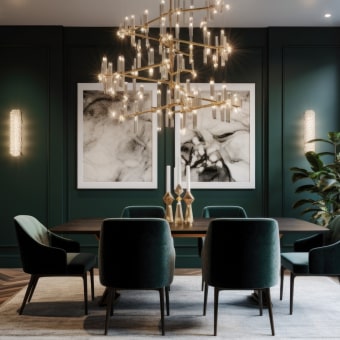
- Dining room: Ideal as a centerpiece above a rectangular or round table. Copper plays beautifully with candlelight, warm ceramics, and brass-toned flatware.
- Bedroom: Consider it as a dramatic accent over a reading nook or centered in the room if ceiling height allows; keep bedside lighting softer to avoid glare.
- Hallway or stair landing: Transitional spaces often lack daylight—crystal brings sparkle and a feeling of “finished” design.
Sizing and Hanging Height: Practical Guidelines
Getting the drop right is what makes a medieval-inspired pendant feel intentional rather than imposing.
- Standard 8 ft ceilings: Keep the lowest point high enough for clear headroom in walkways; in an entry, prioritize comfortable clearance under the fixture.
- Over a dining table: A common target is 30–36 inches above the tabletop, adjusted for fixture size and sight lines. If the pendant is large or very sparkly, err slightly higher for comfort.
- Open-concept rooms: Center the pendant over the primary zone (table, seating cluster, or entry console) instead of the ceiling’s geometric center.
- Add a dimmer: Copper looks richer at lower levels, while crystal still twinkles—perfect for moving from dinner to after-dark ambience.
Styling Pairings: Making Copper and Crystal Feel Cohesive
Installation Notes and Everyday Use
Featured Piece
French Medieval Copper Crystal Pendant Light is a bold, old-world silhouette with reflective crystal detailing designed to elevate dining rooms, foyers, and dramatic nooks. It’s best for spaces that benefit from a warm metallic anchor plus a touch of sparkle, and it pairs especially well with dark wood furniture and soft textile layers to keep the room inviting rather than austere.
If a Different Crystal Statement Fits Better
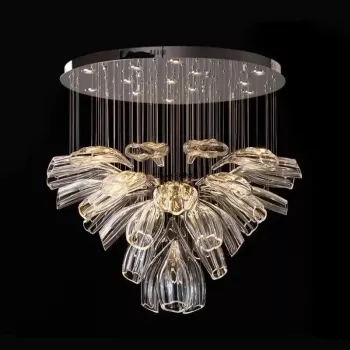
Luxury Rectangular Crystal Chandelier Ceiling Lamp for Living Room & Lobby offers a broader, modern take on crystal glamour, and can “fill” a large room without needing an extra-long drop.
FAQ
Does copper discolor over time?
Yes—copper can develop a natural patina, especially with humidity and frequent handling, which shifts the tone darker or more varied. Many fixtures use protective coatings or intentionally aged finishes, so gentle dusting and avoiding abrasive or acidic cleaners helps maintain the intended look.
Is this style bright enough for everyday lighting?
It can be, but brightness depends on bulb output, crystal density, and room size. For the best day-to-night flexibility, use appropriate lumen bulbs, add a dimmer, and layer in sconces or lamps for tasks.
How high should a pendant be hung above a dining table?
A practical range is about 30–36 inches above the tabletop, then adjust based on ceiling height, fixture size, and sight lines across the table. It helps to temporarily test the height before final tightening so the pendant feels intimate without blocking faces.








Leave a comment