Furla Black Leather Lace-Up Boots: Fit, Style & Care
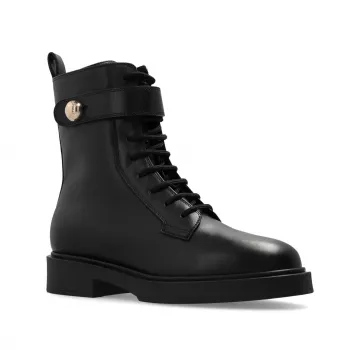
Furla Women’s Black Leather Lace-Up Boots
Polished but practical, black leather lace-up boots can anchor workwear, weekend denim, and colder-weather outfits. A well-made pair earns its keep because it transitions easily between settings, holds up to repeat wear, and stays sharp with straightforward care. Below is a clear breakdown of what to look for in leather quality, comfort, and styling—plus simple habits that help leather boots age well.
What stands out about these lace-up boots
The Furla Women’s Black Leather Lace-Up Boots lean into a classic silhouette that’s easy to dress up or down. Lace-up boots bring a more intentional, “finished” feel than many pull-on styles, while still working as an everyday staple.
- Classic lace-up silhouette that pairs easily with both tailored and casual outfits
- Black leather finish for a clean, versatile look across seasons
- A structured boot shape that can add definition to wide-leg pants, straight denim, and midi skirts
Quick details at a glance
If you’re comparing pairs—ankle boots versus taller shafts, lug soles versus sleeker outsoles, or flat versus heeled—this snapshot helps narrow down the basics before you dive into fit and feel.
| Feature | Details |
|---|---|
| Product | Furla Women’s Black Leather Lace-Up Boots |
| Color | Black |
| Upper material | Leather |
| Closure | Lace-up |
| Price | 208.51 USD |
| Availability | In stock |
Leather quality and construction checks
Leather boots tend to look best when the surface, seams, and edges work together—especially in black, where mismatched dye or uneven finishing can show more clearly over time.
- Leather feel: Smooth leather usually reads dressier and is easy to wipe clean after commuting. A more textured leather can be forgiving with scuffs and light creasing, which is helpful for daily wear.
- Stitching: Scan for even spacing and secure joins around stress points: the toe box, the base of the laces, and the areas near the eyelets. Consistent stitching helps prevent early separation and keeps the boot looking crisp.
- Edge finishing: Cleanly finished edges and consistent dye at seams contribute to a refined look. If the edges look rough or uneven on day one, they typically don’t improve with wear.
For long-term preservation guidance, the Library of Congress offers practical notes on caring for leather, including why avoiding heat sources matters when drying.
Comfort, fit, and lace-up adjustability
Lace-up boots are a smart choice when you want control over fit. Small adjustments can reduce heel slip, balance pressure across the instep, and make room for sock changes as temperatures shift.
- Fine-tuned fit: A lace-up closure helps you adjust the boot at the instep and ankle—useful if you alternate between thinner socks on mild days and warmer pairs later in the season.
- Toe room: Pay attention to width and length. You want enough space so the big toe and pinky toe aren’t compressed, especially if you’ll be on your feet for long stretches.
- Break-in expectations: Leather often softens gradually, but discomfort at the heel or ball of the foot usually won’t “magically” disappear. Aim for secure heel hold and comfortable forefoot support from the first try-on.
Sock choice plays a bigger role than many shoppers expect. The American Academy of Dermatology shares helpful shoe and sock tips that can make everyday wear more comfortable.
Outfit ideas for black lace-up boots
Black lace-up boots work best when you let the boot’s structure do some of the styling work—grounding softer fabrics, adding definition to relaxed silhouettes, and keeping outfits cohesive with minimal effort.
- Work-ready: Pair straight-leg trousers with a fine-knit sweater and a structured coat. Keep hems clean—cropped or gently stacked—so the laces stay visible and intentional.
- Off-duty: Try cuffed jeans with an oversized button-down or a hoodie. A slightly relaxed top balances the boot’s structure for an easy, grounded look.
- Dress contrast: Wear a midi skirt with tights and a leather jacket. The mix of soft movement (skirt) and sharper lines (boots and jacket) reads modern and season-appropriate.
- Cold-weather layering: Wool socks can add warmth without bulk, but avoid overly thick socks that create pressure points. A long coat keeps proportions sleek and makes lace-up boots feel city-ready.
Care and maintenance for leather boots
Consistent, light maintenance beats occasional “deep cleans.” The goal is to remove grime before it sets, keep leather supple, and protect against water and salt.
When to choose lace-up boots over other styles
More in-stock picks
- Furla Women’s Black Leather Lace-Up Boots
- Smart Planter with Real-time Temperature and Soil Moisture Monitoring
- You Become Who You Surround Yourself With (Digital Download eBook)
FAQ
Do leather lace-up boots stretch over time?
Leather usually softens and gives slightly with wear, most noticeably in width. Significant changes in length are unlikely, so it’s best to start with a secure heel fit and enough toe room from the beginning.
How should black leather boots be cleaned after rain or salt exposure?
Wipe off moisture and residue promptly with a soft damp cloth, then let the boots air-dry away from direct heat. If the leather looks dry afterward, apply a light conditioner—salt can damage leather when it lingers on the surface.
What socks work best with lace-up boots?
Breathable, midweight socks work well for most days. Use thinner socks for a snugger fit and thicker socks for warmth, then adjust the laces to prevent pressure points across the instep.













Leave a comment