High-Yield Commercial Electric Ice Crusher: Fast, Consistent Ice
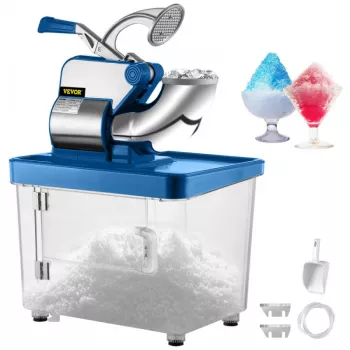
Commercial Electric Ice Crusher Machine with High Ice Yield
High-volume beverage service depends on fast, consistent crushed ice. A commercial electric ice crusher built for high yield helps keep lines moving, supports repeatable drink texture, and reduces the labor and mess of manual crushing. From cocktail bars to cafés and concession stands, the right crusher turns a time-consuming bottleneck into a predictable prep step—especially when demand spikes and every ticket counts.
What a high-yield commercial ice crusher does
A high-yield commercial ice crusher is designed to convert ice cubes (or small, manageable chunks) into crushed ice for multiple service styles. Instead of producing a small amount occasionally, it’s built for repeat throughput—steady output across many batches during a shift.
- Turns ice into crushed ice for cocktails, smoothies, snow-style desserts, and chilled displays.
- Prioritizes yield (usable crushed ice per load) and consistency (uniform pieces that pour and pack predictably).
- Fits common placements like bar backs, prep counters, concession stands, café lines, and catering stations.
Why high ice yield matters in service
Yield is more than a spec—it’s the difference between cruising through a rush and stopping to “catch up” on ice. When each batch produces more usable crushed ice, staff spend less time reprocessing, cleaning up meltwater, or refilling bins.
- Faster ticket times: less waiting for ice and fewer interruptions during peak service.
- Lower waste: more of each load becomes serviceable ice instead of meltwater or excessive powder loss.
- Better beverage texture: consistent crush size supports predictable dilution and mouthfeel.
- Workflow reliability: steady crushing reduces the need for backup manual tools and rework.
Key components that drive yield and consistency
Two machines can look similar and perform very differently. The details below are what typically separate “works fine at home” from “keeps up in a commercial line.”
- Feed chute and hopper design: helps prevent bridging and keeps ice moving smoothly into the mechanism.
- Blade/roller geometry: influences crush uniformity and how well the unit handles harder, colder cubes.
- Motor strength and transmission: supports consecutive batches without stalling under load.
- Discharge path: reduces clogs and keeps output flowing into a bin or container.
- Housing materials: food-contact areas should wipe down easily and resist corrosion in wet conditions.
- Safety features: guarded feed openings, stable base, overheat protection, and interlocks help reduce risk during fast-paced use.
For sanitation and equipment expectations in food environments, it helps to align your procedures with the U.S. FDA Food Code and look for equipment guidance from organizations like NSF International.
Performance checks before buying
Before committing to a crusher, confirm it matches your real service patterns: your busiest hour, your typical ice type, and the crush style your menu needs.
- Output rate: compare capacity to peak-hour demand (drinks per hour, event size, or batch schedule).
- Ice compatibility: verify the machine is intended for the cube size and hardness used on-site.
- Consistency needs: fine crush for snow cones vs. coarser crush for juleps and crushed-ice cocktails.
- Duty cycle: confirm it can run for consecutive batches without frequent cool-down breaks.
- Noise and vibration: especially important for cafés, open kitchens, and front-of-house bars.
- Footprint and placement: leave room to load ice, catch output, and access surfaces for cleaning.
Quick sizing guide for common operations
| Operation type | Typical crushed-ice demand | What to prioritize |
|---|---|---|
| Cocktail bar | Steady bursts during rush | Fast reload, consistent medium crush, easy bin transfer |
| Café / smoothie station | Continuous batches | High throughput, reliable motor, straightforward cleaning |
| Concessions / events | Large spikes in volume | High yield per load, durability, stable base and simple controls |
| Seafood / cold display | Periodic refills | Coarser crush options, easy sanitation, corrosion resistance |
Best-fit use cases
- Cocktails: mojitos, juleps, tiki drinks, and any menu where crushed ice is a signature element.
- Frozen and blended drinks: helps blending speed and can reduce strain when paired with commercial blenders.
- Snow-style desserts: ideal when a fine, fluffy crush is needed (confirm the machine supports the desired fineness).
- Catering and banquet prep: pre-crush into lined bins so service stations stay stocked.
- Chilled food presentation: crushed ice beds for seafood, produce, and buffet cold displays (follow food-contact hygiene rules).
Setup and daily operation tips for maximum yield
High yield depends on what goes into the machine and how it’s staged during service. Small process tweaks can noticeably improve output quality and reduce melt loss.
Cleaning, sanitation, and maintenance
For general powered-equipment handling and safe work practices, refer to OSHA guidance on hand and power tools.
Common issues and quick fixes
Product spotlight: Commercial Electric Ice Crusher Machine with High Ice Yield
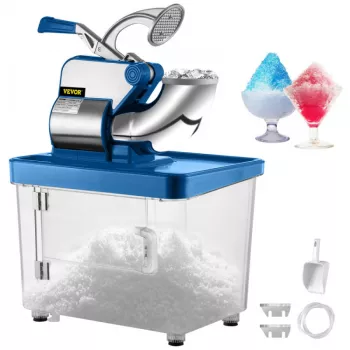
If you’re building a faster ice workflow, the Commercial Electric Ice Crusher Machine with High Ice Yield is designed for high-yield crushing in busy drink and dessert service. It’s a practical fit for commercial environments where speed, repeatability, and consistent crushed ice directly affect the line.
For prep-heavy kitchens that also handle produce processing, the Electric Tomato Strainer and Sauce Maker with Stainless Steel Body can complement a streamlined back-of-house workflow by reducing manual steps in sauce and puree production.
FAQ
What kind of ice works best in a commercial electric ice crusher?
Uniform cubes typically feed and crush more consistently than irregular chunks. Avoid heavily frosted ice, and confirm the machine’s recommended cube size and hardness to prevent jams and inconsistent output.
How can crushed ice output be kept from melting so quickly?
Stage colder ice, crush in smaller batches, and transfer output immediately into insulated bins or wells. Pre-chilling the catch container can also reduce melt during high-volume service.
How often should a commercial ice crusher be cleaned?
Wipe down daily at minimum, and sanitize food-contact areas according to local health requirements and usage level. Always unplug the unit before cleaning or clearing jams.














Leave a comment