Outdoor Garden Parasol: Shade, Stability, and Fit
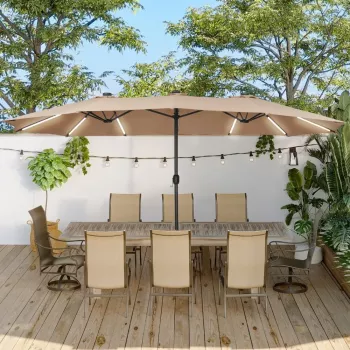
Outdoor Garden Parasol for Comfortable Shade on Patios, Decks, and Garden Seating
A well-made outdoor garden parasol adds reliable shade where it’s needed most—over dining sets, lounge chairs, conversation areas, or poolside seating. The right setup balances canopy coverage, stability in breezy conditions, and materials that hold up to sun and occasional rain, while still being easy to open, adjust, and store. For sun-safety awareness beyond comfort, it helps to keep an eye on the UV Index and follow practical guidance from sources like the Skin Cancer Foundation.
What an Outdoor Garden Parasol Does Best
- Creates a defined shade zone for outdoor dining and lounging without permanent construction.
- Helps reduce glare and surface heat on tables, cushions, and decking.
- Adds a finished look to a seating area by anchoring the space visually.
- Can be repositioned as the sun moves to keep seating comfortable.
If you’re refreshing a seating area, pairing a shade solution with smarter plant care can elevate the whole patio experience—especially during hot spells when containers dry out quickly. Consider complementing your setup with the Smart Planter with Real-time Temperature and Soil Moisture Monitoring to help keep nearby greenery thriving.
Choosing the Right Size and Placement
- Match canopy width to the area being shaded: allow extra coverage beyond the table or chairs so shade reaches people, not just furniture.
- Confirm clearance: account for open-canopy height, nearby trees, railings, fences, and door swing paths.
- Decide on center-pole vs offset placement: center-pole works well through a table; offset designs free up tabletop space but often need heavier bases.
- Plan for sun direction: morning vs afternoon shade may require repositioning or an adjustable tilt.
- Avoid placing too close to grills or open flames; keep fabric away from heat sources.
Quick Sizing and Placement Checklist
| Outdoor setup | Suggested canopy approach | Placement notes |
|---|---|---|
| 2–4 seat bistro set | Compact canopy with centered coverage | Best through table or tight corners where space is limited |
| 6–8 seat dining table | Wider canopy to extend past chair backs | Leave room for chairs to slide out while staying shaded |
| Lounge chairs / poolside | Broader coverage or adjustable tilt | Angle for low sun; keep base well clear of foot traffic |
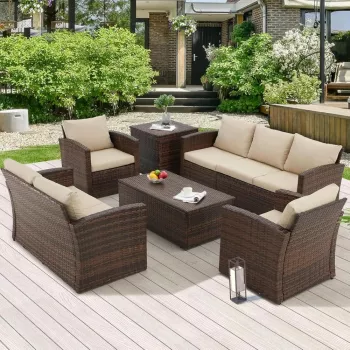
| Conversation set (sofa + chairs) | Coverage that reaches the seating perimeter | Offset placement can reduce pole interference in the middle |
When you’re ready to lock in a flexible shade zone for everyday use, the Outdoor Garden Parasol is a straightforward way to add coverage without committing to a permanent pergola or awning.
Materials That Hold Up Outdoors
- Canopy fabric: look for UV-resistant, fade-resistant textiles; darker colors often show less staining, while lighter colors can feel brighter underneath.
- Water resistance: a canopy can shed light rain, but seams and vents matter; dry thoroughly before storing to reduce mildew risk.
- Frame and ribs: corrosion-resistant metal components help in humid climates; reinforced joints improve stability during gusts.
- Venting: a top vent can help release wind pressure and reduce the chance of tipping.
- Hardware quality: smooth cranks, locks, and tilt mechanisms reduce wear and make daily use easier.
One overlooked comfort factor is what the shade feels like at peak sun. Fabrics that block more UV often create a cooler “under-canopy” experience, especially when paired with airflow from a vented top. For additional sun guidance, NOAA’s overview of UV radiation and sun safety is a helpful reference when planning outdoor time.
Stability and Base Setup for Breezy Days
- Choose a base designed for the canopy size and local wind conditions; larger canopies generally require heavier bases.
- If using through-table support, confirm the table’s umbrella hole and collar provide a snug fit around the pole.
- Place the base on a level surface; use protective pads if needed to prevent wobble on pavers or decking gaps.
- Close the parasol when winds pick up, during storms, or when leaving the area unattended for long periods.
- Consider adding a cover and tie-down straps for storage to reduce fabric flapping and premature wear.
Practical placement helps, too: tuck the base slightly inside a seating arrangement (not in a walkway) and aim to keep the canopy edge from rubbing against railings or branches. In gusty conditions, a vented canopy plus a properly weighted base can be the difference between “pleasant breeze” and constant repositioning.
Everyday Use: Opening, Adjusting, and Maintaining
Design Ideas for a More Inviting Outdoor Space
FAQ
How much wind can an outdoor garden parasol handle?
Wind tolerance depends on canopy size, venting, base weight, and how sheltered the placement is. For safety and longevity, close the parasol during gusts or storms and whenever the area will be unattended, and make sure the base is level with a snug pole fit.
Can a garden parasol stay outside in the rain?
Many canopies can shed light rain, but they should be opened to dry as soon as conditions allow to reduce mildew risk. For prolonged bad weather, using a protective cover and storing the parasol in a dry area helps preserve the fabric and hardware.
What size parasol is best for an outdoor dining table?
A good rule is to choose a canopy that extends beyond the table edges and chair backs so seated guests stay shaded, not just the tabletop. Also check overhead clearance and decide whether a center-pole, through-table setup or an offset design fits your layout best.









Leave a comment