Outdoor Natural Gas Tankless Water Heater Sizing & Setup
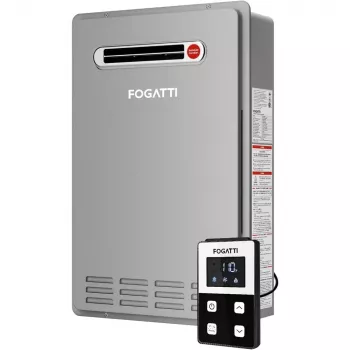
Outdoor Natural Gas Tankless Water Heater: Reliable Hot Water in Any Weather
An outdoor natural gas tankless water heater delivers on-demand hot water without storing gallons in a tank. Designed to mount outside, it can free up indoor space while providing steady performance for showers, laundry, and whole-home use—when sized correctly for climate and household demand. With the right placement, proper gas supply, and routine maintenance, an outdoor-rated unit can be a dependable upgrade for comfort and efficiency.
What Makes an Outdoor Tankless Unit Different
Outdoor-rated tankless models are engineered for direct exposure to the elements. That changes how they vent, how they handle freezing temperatures, and even how they “feel” around the home.
- Weather-ready construction: Outdoor housings are built to handle rain, wind, and day-to-night temperature swings, often reducing the need for long indoor venting runs.
- Simplified exhaust management: Because exhaust is discharged outdoors, installation can be more straightforward than indoor models—though safe clearances and airflow still matter.
- Freeze protection varies: Many units include internal freeze protection, but the level of protection (and the temperatures it’s rated for) differs by model. Some require electrical power to keep internal heaters active.
- Noise and visible vapor: Burner sound and steam/condensation vapor may be noticeable near patios, decks, or walkways, so choose the mounting location thoughtfully.
Key Sizing Factors: Flow Rate and Temperature Rise
Tankless sizing is primarily about matching real-life demand. Two numbers drive the decision: how much hot water you need at one time (flow rate) and how hard the heater must work to warm your incoming water (temperature rise).
Flow rate: plan for simultaneous use
Flow rate demand comes from how many fixtures may run at the same time—such as a shower while the dishwasher is drawing water. Add up the expected simultaneous gallons per minute (GPM) to estimate your peak draw.
Temperature rise: your climate matters
Temperature rise is the difference between your incoming groundwater temperature and your desired hot-water setpoint. In colder regions, incoming water can be much lower, meaning the heater must add more heat. That typically reduces the maximum GPM the unit can supply at a comfortable shower temperature.
Typical Fixture Flow Ranges (for planning)
| Use | Typical flow (GPM) | Notes |
|---|---|---|
| Shower | 1.5–2.5 | Low-flow heads trend toward the lower end |
| Bathroom faucet | 0.5–1.5 | Handwashing vs. continuous use varies widely |
| Kitchen faucet | 1.0–2.2 | Higher if used for filling pots or sink spray |
| Dishwasher | 0.5–1.5 | Intermittent draw during cycles |
| Clothes washer | 1.0–2.0 | Some cycles mix hot and cold |
A practical sizing check: list the hot-water uses that could overlap, estimate each flow rate, then confirm the heater can deliver that combined GPM at your required temperature rise. For efficiency and general guidance on demand-type heaters, see the U.S. Department of Energy overview of tankless water heaters. To understand how low-flow fixtures can reduce demand, review EPA WaterSense resources.
Installation Essentials and Placement Considerations
Outdoor installation can be convenient, but it’s not “set it anywhere.” The goal is safe combustion, reliable performance, and serviceable access.
- Code-compliant clearances: Confirm local requirements for distances from doors, windows, soffit vents, and ignition sources. Clearance rules help prevent exhaust re-entry and support safe operation.
- Correct gas line sizing: Undersized piping can cause pressure drop at high demand, leading to poor performance or temperature instability. Gas sizing should account for total BTU load and pipe run length.
- Service access: Plan for descaling and inspection. Avoid mounting locations where panels can’t be removed or where technicians can’t comfortably connect flush hoses.
- Condensate routing (if applicable): Some designs produce condensate. Follow the manufacturer’s instructions and local rules for where and how to drain it.
- Cold-weather protection: In freezing regions, consider a sheltered placement (without restricting airflow) and verify power requirements for freeze protection features.
Performance, Efficiency, and Comfort Features to Look For
Beyond “does it make hot water,” comfort depends on how smoothly the unit responds to changing demand around the house.
Maintenance and Longevity (Especially in Hard Water Areas)
Featured Option: Outdoor Natural Gas Tankless Water Heater
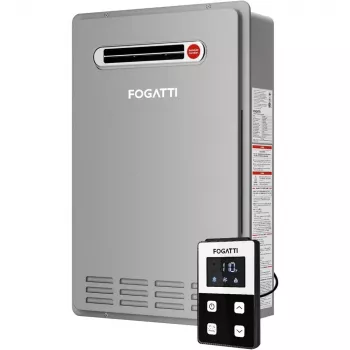
If the goal is space-saving hot water generation without an indoor tank footprint, the Outdoor Natural Gas Tankless Water Heater is a dedicated outdoor, natural gas on-demand option. Best results come from matching capacity to simultaneous fixture demand and local incoming water temperatures, then pairing the installation with proper gas line sizing, code-compliant clearances, and routine descaling.
Quick Product Snapshot
| Item | Details |
|---|---|
| Product | Outdoor Natural Gas Tankless Water Heater |
| Price | $876.49 USD |
| Availability | In stock |
Related Home Upgrades (In Stock)
- Ceramic Rectangular Vessel Sink with Blue Interior (bathroom update that pairs well with improved hot-water delivery)
- Luxury Rectangular Crystal Chandelier Ceiling Lamp for Living Room & Lobby (a lighting upgrade that complements whole-home improvement projects)
FAQ
Can an outdoor tankless water heater be used in freezing weather?
Yes, but performance depends on the unit’s built-in freeze protection, whether it requires electrical power to protect internal components, and how exposed the installation is. In colder climates, sheltered placement and following the manufacturer’s freeze-prevention steps are essential.
How is the right size determined for a natural gas tankless water heater?
Estimate the maximum simultaneous hot-water flow (GPM) and the needed temperature rise based on incoming water temperature. Confirm the heater can deliver that flow at the desired outlet temperature under those conditions.
How often should a tankless water heater be descaled?
It varies with water hardness and usage. In hard-water areas, more frequent flushing may be needed to prevent scale buildup that reduces efficiency and flow; follow the manual and consider periodic testing of water hardness.












Leave a comment