Rural Real Estate Investing: Due Diligence for Beginners
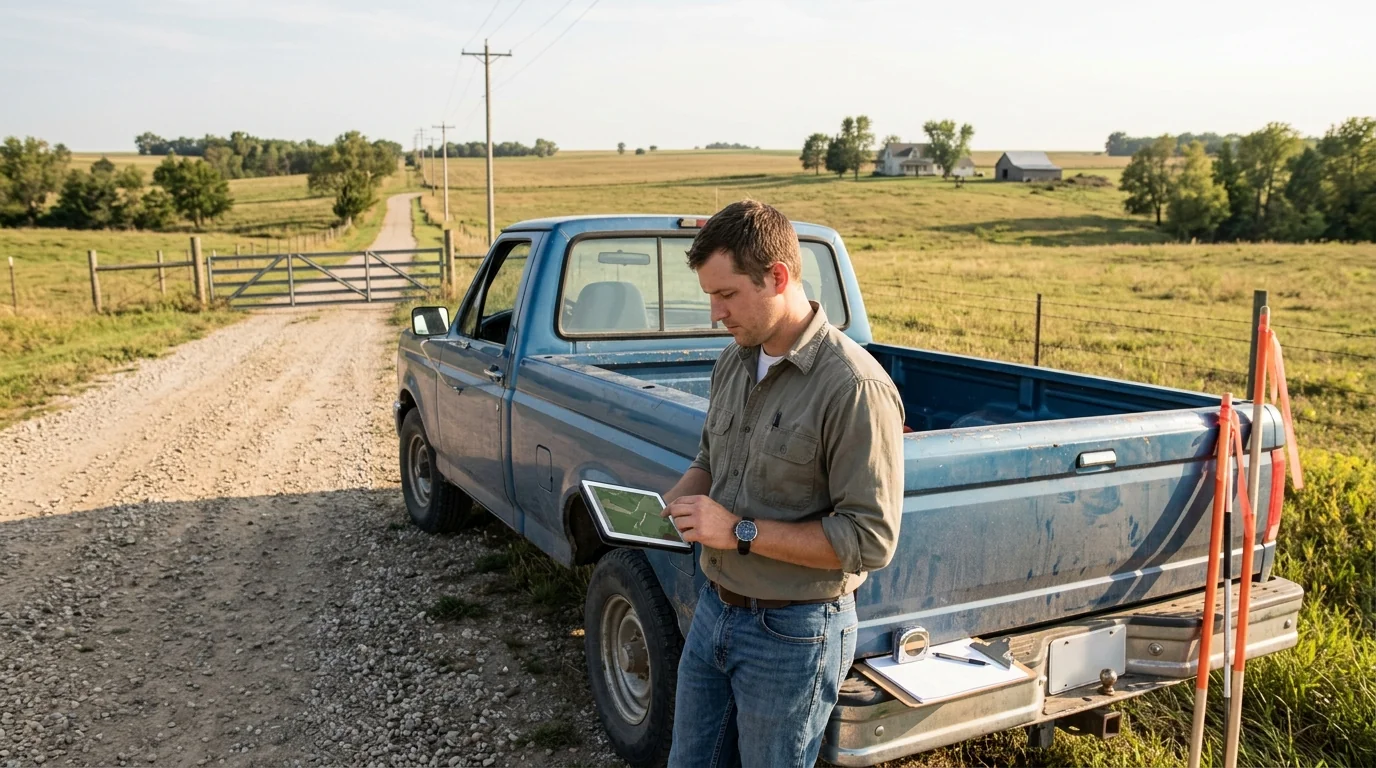
Why rural real estate can be a smart starting point
Rural property attracts new investors for a simple reason: the numbers can pencil out faster when you’re not competing in the most crowded metro neighborhoods. In many counties, fewer bidders and longer decision cycles can create real negotiating leverage—especially on parcels that need clarity on access, utilities, or build feasibility.
Another advantage is “more land for the price.” Even a modest budget may reach acreage that supports multiple uses: recreation, small agriculture, equipment storage, or a long-term hold positioned for gradual growth. Depending on the parcel and local rules, exit routes can include resale to local buyers, neighboring landowners, recreational buyers, or small builders looking for buildable lots.
Finally, demand in rural markets isn’t uniform—so it helps to know what creates pressure. Outdoor destinations, remote-work migration corridors, and retirement-friendly communities can push values higher over time. Population and economic data from the U.S. Census Bureau can be a useful starting point when comparing counties.
Common pitfalls beginners run into (and how to avoid them)
Rural deals often go wrong for beginners not because the land is “bad,” but because one deal-breaker was assumed instead of verified.
- Unverified legal access: A parcel that looks reachable on a map can still be landlocked on paper. Confirm public road frontage or recorded easements before money goes hard.
- Skipping water and septic feasibility: In many areas, buildability hinges on well potential, septic rules, and perc requirements. If you can’t solve water and waste, your buyer pool shrinks dramatically.
- Assuming utilities are easy: Extending power lines or securing reliable internet can change total project cost and timelines. Get estimates early—don’t guess.
- Overlooking zoning and permitted uses: Minimum lot sizes, setbacks, and restrictions on mobile/manufactured homes vary by county (and sometimes by road or district).
- Underestimating carrying costs: Even vacant land can require taxes, maintenance, brush clearing, and wildfire mitigation, especially in dry regions.
A simple due diligence workflow for rural properties
A repeatable workflow keeps emotions out of the decision. Start wide, then narrow only after the essentials are confirmed.
- Basics first: Parcel ID, acreage, boundaries, tax status, and ownership history.
- Access and boundaries: Recorded easements, road condition, gate/seasonal access, and a survey plan (existing survey vs. ordering a new one).
- Constraints: Floodplain, wetlands, steep slope, soil type, conservation limits, HOA/POA rules, and questions around timber/mineral rights.
- Build feasibility: Zoning, permitting expectations, setbacks, driveway permits, and septic/well requirements.
- Market reality: Comparable sales by acreage and micro-location, days on market, and who actually buys there (recreation vs. build vs. agricultural).
If flood risk is a factor, verify it directly using FEMA Flood Maps (Flood Map Service Center) rather than relying on a listing description.
Rural land due diligence checklist (quick reference)
| Item to verify | What to look for | Where to confirm |
|---|---|---|
| Legal access | Road frontage or recorded easement; no landlocked parcel | County recorder, title report, plat maps |
| Zoning & allowed uses | Residential/agricultural/recreational; minimum lot size; restrictions | County planning/zoning office |
| Water & septic | Well potential, water rights (if applicable), septic feasibility/perc | Health department, well logs, local installers |
| Utilities | Power distance/cost; internet options; propane availability | Utility providers, local ISPs |
| Environmental constraints | Floodplain, wetlands, wildfire risk, protected habitat | FEMA maps, state GIS, environmental agencies |
| Title & liens | Back taxes, liens, encroachments, mineral/timber rights | Title company, county tax office |
Choosing an investment strategy that matches rural realities
Rural investing works best when the strategy fits the pace and infrastructure of the area.
- Buy-and-hold land: Prioritize legal access, clean title, and long-term drivers such as employment nodes, recreation corridors, and planned infrastructure.
- Value-add land: Improve marketability by clearing brush, adding fencing, improving driveway access, or completing feasibility steps like a survey or perc test.
- Build-ready parcels: Focus on predictable permitting, practical setbacks, and realistic utility costs. Carrying costs matter when timelines stretch.
- Rental angle (where permitted): Cabins and small homes can work in tourism pockets, but only with strong local comps and dependable management.
To evaluate whether a region is benefiting from broader rural economic trends, data from the USDA Economic Research Service can help frame employment and rural development context.
Financing and budgeting: what changes outside the city
Beginner-friendly tools that keep you organized
- Your Smart Guide to Investing in Rural Real Estate (Digital eBook PDF download) — a step-by-step companion built for screening, verifying, and moving toward a confident offer.
- The Broke Budgeter’s Survival Checklist (Printable PDF money planner) — helpful for tracking due diligence costs, deposits, and “surprise” fees that can creep into rural deals.
Digital eBook: “Your Smart Guide to Investing in Rural Real Estate” (PDF download)
At-a-glance details
| Format | Delivery | Price | Best for |
|---|---|---|---|
| Digital eBook (PDF) | Download | $8.99 | Beginners and investors evaluating rural land and property |
A simple action plan for the next 7 days
FAQ
What should be verified first when buying rural land?
Start with legal access, clean title, zoning/allowed uses, and water/septic feasibility because these are common deal-breakers that can’t be “fixed later” cheaply. Confirm access and title through county records/title work, and verify zoning and septic/well requirements with the county planning office and health department.
Is rural real estate a good investment for beginners?
It can be, because entry prices may be lower and the land can offer flexible uses, but liquidity and infrastructure risks are real. Beginners do best by focusing on one county, using a checklist-based process, and refusing to proceed when access, zoning, or utilities are unclear.
How do you estimate the true cost of a rural property?
Add the purchase price to due diligence (title, survey), improvements (clearing/driveway), utilities extension, permitting, and carrying costs like taxes and maintenance. Build in a conservative contingency buffer for access repairs, drainage work, and seasonal delays.
















Leave a comment