Sizing High-Power Industrial Electric Tankless Heaters
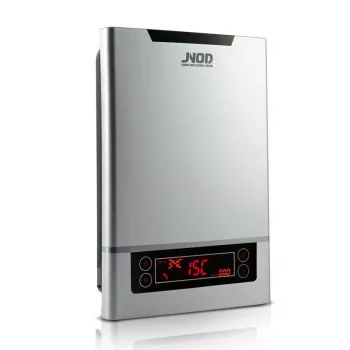
High-Power Industrial Electric Tankless Water Heaters for Continuous Hot Water
High-demand facilities often need hot water that starts instantly, holds temperature under load, and avoids the standby losses and footprint of large storage tanks. A high-power industrial electric tankless water heater delivers on-demand heating for washdown, process support, sanitation, and multi-point usage—when it is correctly sized for flow rate, temperature rise, and electrical capacity.
Where Industrial Tankless Systems Fit Best
Industrial-grade electric tankless systems are a strong match for sites that need dependable hot water without dedicating floor space to large storage tanks. They’re commonly used in:
- Commercial kitchens, food prep and sanitation lines, and dish areas
- Light manufacturing wash stations and parts cleaning
- Laboratories and test rooms with controlled hot-water delivery needs
- Gyms, locker rooms, and multi-sink restrooms
- Equipment washdown bays and janitorial stations
They tend to perform best when demand comes in intermittent peaks, when hot water is needed at distributed points throughout a building, or when the mechanical room is space-constrained. In contrast, a storage tank may still make sense for extremely high simultaneous flow, very large temperature rise in cold climates, or when the electrical service cannot support the kW required for peak loads.
Performance Basics: Flow Rate, Temperature Rise, and Power
Electric tankless sizing starts with two numbers: peak flow rate and required temperature rise. Those inputs determine how much power (kW) the heater must deliver to maintain outlet temperature during the busiest draw.
- Flow rate (GPM) sets the volume of hot water needed at the fixture(s) during peak demand.
- Temperature rise (°F) is the difference between incoming water temperature and your target outlet temperature; colder inlet water requires more power.
- Power requirement (kW) increases quickly as flow and temperature rise go up, which is why “close enough” sizing often shows up as lukewarm water during simultaneous use.
- Modulation helps, but isn’t magic: tankless units can vary output to maintain setpoint, yet they’re still limited by maximum kW and the building’s electrical capacity.
Quick sizing reference (approximate) for electric tankless heating
| Target flow (GPM) | Temp rise (°F) | Estimated power (kW) | Typical use scenario |
|---|---|---|---|
| 2 | 45 | 13 | Single wash sink / light duty washdown |
| 3 | 55 | 29 | Two fixtures or intermittent higher draw |
| 4 | 55 | 38 | Multi-point use with moderate peak overlap |
| 5 | 55 | 48 | Higher-demand bay or multiple handwash stations |
| 6 | 65 | 73 | Industrial peaks; may require staged units or large service |
For deeper background on water heating efficiency and system impacts, see the U.S. Department of Energy water heating guide and the service water heating overview in the ASHRAE Handbook.
Electrical Planning and Service Requirements
High-power electric tankless heaters can be straightforward mechanically, but they must be planned carefully on the electrical side. Before selecting a unit, confirm:
- Voltage and phase: common industrial options include 208V/240V/277V/480V with single- or three-phase depending on the facility.
- Panel and breaker capacity: high-kW units can draw substantial amperage and often require dedicated circuits.
- Conductor sizing and routing: plan for conductor size, conduit, and run length to stay within code and manufacturer requirements.
- Demand management strategies: staggering startup, splitting demand across multiple smaller units, or choosing models with soft-start/modulation can reduce electrical stress.
Electrical work should be designed and completed with a licensed electrician and inspected per local requirements. For code context, reference NFPA 70: National Electrical Code (NEC).
Installation Considerations in Industrial Settings
Industrial locations add real-world constraints—washdown exposure, scale-forming water, and variable inlet pressure—so installation details matter.
- Mounting and location: place the heater close to high-use points to cut wait time and reduce heat loss in long piping runs. Maintain service access and clearances per the manufacturer.
- Water quality: hard water can scale heating elements and reduce performance. Filtration or softening and a scheduled descaling plan help protect uptime.
- Hydraulics: confirm minimum activation flow and stable inlet pressure. If municipal pressure or booster systems fluctuate, consider pressure regulation for consistent operation.
- Controls and safety: setpoint limits, anti-scald strategies, and lockable settings are especially useful in shared environments where many users interact with fixtures.
Efficiency, Operating Cost, and Total Cost of Ownership
Product Snapshot: High-Power Industrial Electric Tankless Water Heater
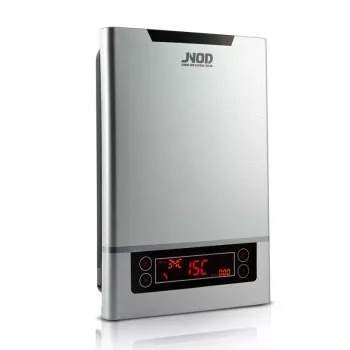
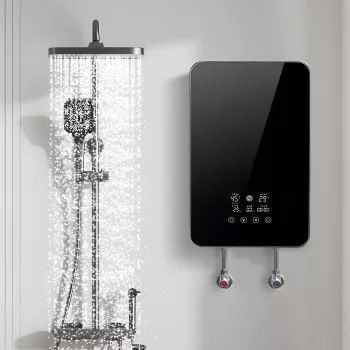
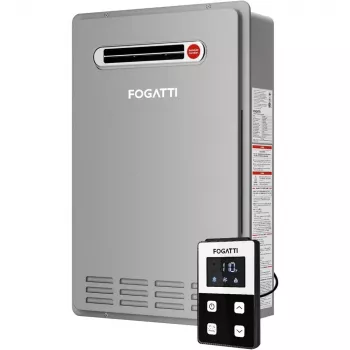
If you’re planning for continuous performance without dedicating floor space to storage, the High-Power Industrial Electric Tankless Water Heater is built for high-demand delivery where stable output matters more than tank volume. It’s a compact alternative for facilities with intermittent peaks, multiple wash points, or limited mechanical-room space.
Related facility upgrades (in stock)
- Ceramic Rectangular Vessel Sink with Blue Interior (useful for breakrooms, restrooms, or wash areas where fixture updates are planned alongside hot-water improvements)
- Electric Tomato Strainer and Sauce Maker with Stainless Steel Body (a back-of-house kitchen tool that can complement commercial prep spaces where hot-water performance is being upgraded)
Common Sizing Scenarios (Practical Examples)
FAQ
How many kW are needed for an industrial electric tankless water heater?
It depends on peak flow (GPM) and the temperature rise from incoming water to the desired outlet temperature. Colder inlet water and higher simultaneous flow both drive kW up quickly, so confirming the building’s available electrical service with a licensed electrician is essential.
Can a high-power electric tankless unit run multiple fixtures at the same time?
Yes—if it’s sized for the combined peak flow and required temperature rise during simultaneous use. For high overlap or critical operations, zoning (point-of-use units) or multiple staged units can improve performance and add redundancy.
What maintenance does an industrial electric tankless water heater need?
Most maintenance centers on water quality: descaling frequency is driven by hardness and duty cycle, and inlet filtration/softening can reduce buildup. Facilities should also check inlet strainers (if equipped) and have qualified personnel periodically inspect electrical connections for safe, reliable operation.













Leave a comment