Stop Feeling Overwhelmed: A Simple Calm-to-Action Plan

What overwhelm looks like (and why it feels so urgent)
Overwhelm usually isn’t “laziness” or a character flaw—it’s a predictable reaction when your brain is trying to juggle too many inputs with too little clarity. It can show up as racing thoughts, procrastination, irritability, shallow breathing, forgetting small tasks, and the nagging feeling that you’re behind before the day even starts.
That urgent, panicky edge often comes from a three-part pileup:
- Cognitive overload: too many decisions and open loops.
- Emotional load: pressure, worry, and fear of disappointing someone.
- Physiological stress: a nervous system stuck in “high alert.” The American Psychological Association explains how stress can affect both mind and body, which is why “thinking harder” often backfires when you’re flooded.
A helpful reframe: overwhelm is a signal that your current system (time, tasks, boundaries, rest) needs adjusting—not proof that you’re failing.
Start with a 90-second reset for the body
Before you try to plan, reply, or fix anything, use a short physical “interrupt.” When your body downshifts, your thinking becomes more flexible—so the next step is easier.
Try this quick pattern: inhale for 4 seconds, exhale for 6 seconds, for 5 rounds. Longer exhales can help reduce intensity and bring you back into the present.
Then name the state, not the story: say “overwhelm is here” instead of “everything is ruined.” That small wording shift keeps your mind from treating stress as an emergency.
| Reset | Time | Best for | What to do |
|---|---|---|---|
| Long-exhale breathing | 60–90 sec | Racing thoughts | Inhale 4, exhale 6, repeat 5–8 rounds |
| Desk-to-door reset | 2–3 min | Restlessness | Stand up, walk to a doorway/window, look far away, return |
| “One glass” rule | 1–2 min | Foggy focus | Drink water before opening apps or messages |
| Micro-tidy | 2 min | Visual clutter stress | Clear one surface only (desk corner, nightstand) |
Reduce the mental pile: capture, clarify, choose
Overwhelm thrives in your head because everything feels equally urgent when it’s invisible and undefined. A simple three-step workflow turns mental noise into a short, workable list.
1) Capture
Move tasks out of your brain into one trusted place: a notes app, a paper list, or a single digital inbox. Not five places—one. Your goal is to stop “remembering” and start “seeing.”
2) Clarify
Rewrite each item as a physical next step. “Work on project” becomes “Email Alex to confirm Friday meeting time” or “Open the doc and outline the first three bullets.” If you can’t do it in the real world, it’s not a next step yet.
3) Choose
Pick a “Today 3”—three priorities that would make today feel meaningful if they got done. This prevents endless planning and reduces the pressure to do everything at once.
AI-assisted strategies to stop spiraling and make decisions
When you’re overwhelmed, the problem often isn’t effort—it’s decision friction. The fastest relief usually comes from narrowing options and getting a clear first move.
- Ask for a prioritized shortlist: not a perfect plan—just the next five actions.
- Turn worry into a checklist: separate what you can act on today vs. what you must accept or schedule.
- Use constraints to prevent overplanning: specify time available (10/20/30 minutes) and energy level (low/medium/high).
Two examples that keep things practical:
- “List the next 5 actions from this brain dump in priority order; keep each action under 10 minutes.”
- “Help me draft a simple boundary-setting message that is polite and firm.”
If anxiety is a constant companion, it may help to learn what’s happening underneath the surface. The National Institute of Mental Health offers a clear overview of anxiety disorders, including when persistent symptoms may need extra support.
Build a calm workflow: boundaries, batching, and fewer open loops
Once your list is visible and your next step is defined, the goal is to work in a way that doesn’t re-trigger the spiral.
Time-boxing beats vague intention
Set a 25-minute focus block, then take a 5-minute break. Time-boxing reduces dread because you’re committing to a container, not an endless slog.
Batch communication
Close loops daily
For more stress-management basics that support focus and follow-through, the Mayo Clinic highlights practical habits like movement, sleep, and recovery—often the missing pieces when overwhelm becomes chronic.
When overwhelm is emotional: self-talk that de-escalates
Digital downloads that turn coping into a repeatable system
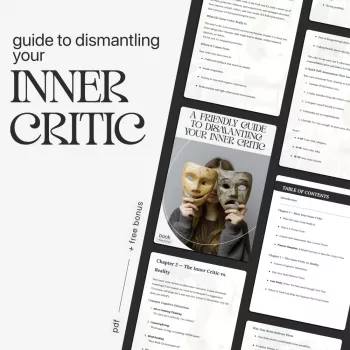
- Your Smart Guide to Stop Feeling Overwhelmed (digital eBook): a step-by-step flow to reset your body, reduce mental load, and turn scattered thoughts into clear next actions.
- Daily Growth Affirmation System Checklist: a simple daily mindset routine that supports calmer self-talk and consistency when motivation is low.
- The Broke Budgeter’s Survival Checklist: if money stress is a major trigger, a straightforward list can reduce uncertainty and help you take small, stabilizing actions.
A simple 7-day reset plan (lightweight and realistic)
FAQ
How can overwhelm stop quickly when everything feels urgent?
Do a brief body reset first (especially longer exhales), then capture everything into one list and choose a single next step that takes under 10 minutes. Quick relief usually comes from reducing stress arousal and narrowing choices, not from solving everything.
Can AI help with stress and overwhelm without making things more complicated?
Yes—use it to narrow options: prioritize tasks, summarize what matters, draft a simple message, or turn a brain dump into a short action list with time and energy limits. Keep the output small and concrete so you act instead of overplanning.
What if overwhelm keeps coming back even after organizing tasks?
Recurring overwhelm often points to a deeper driver like unrealistic workload, weak boundaries, sleep debt, or anxiety patterns. Adjust the inputs and recovery first, and consider professional support if symptoms are persistent or escalating.














Leave a comment