Waterproof Wheelset Bag for MTB & Road: Pack Smarter
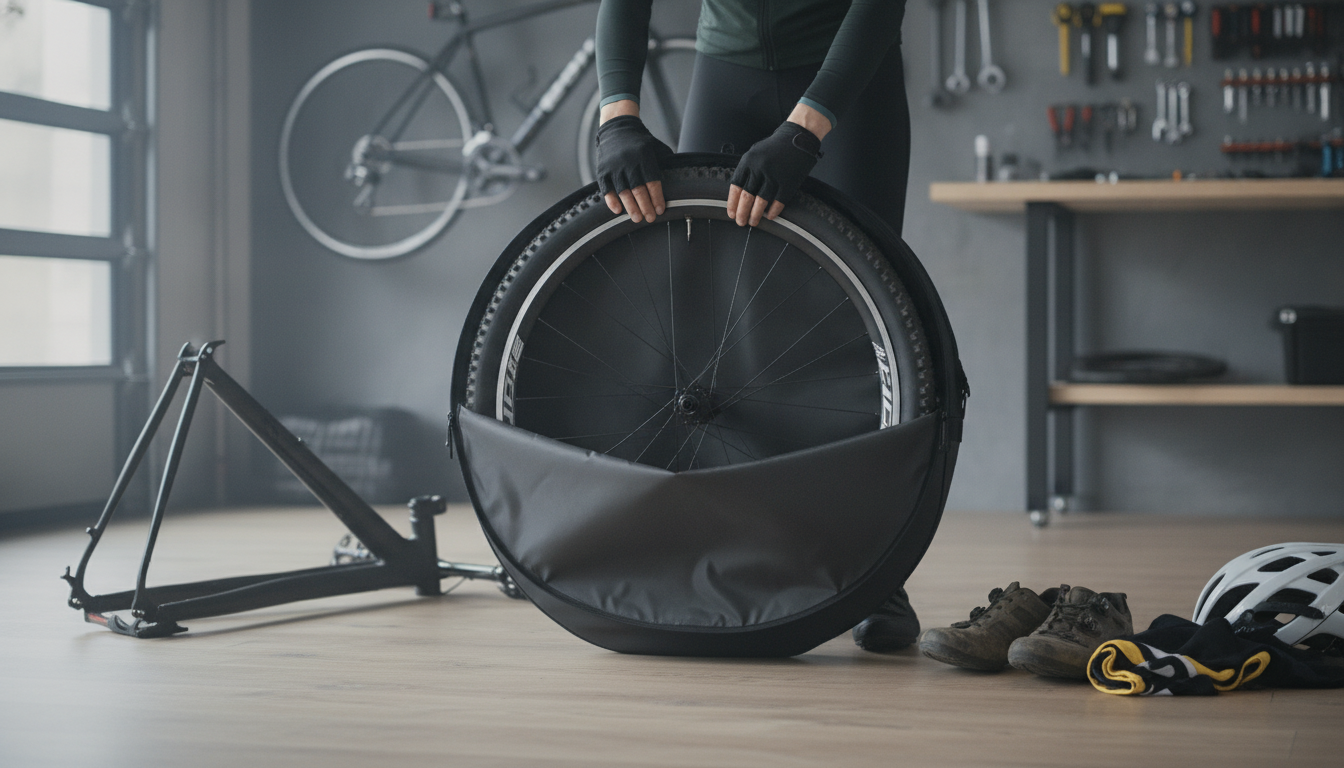
Durable Waterproof Wheelset Carry Bag for MTB & Road Bikes
A wheelset carry bag helps protect rims, hubs, rotors, and cassette from impacts, scratches, and grime during travel and storage. This durable waterproof design is built to keep two wheels organized, reduce mess in vehicles and hotel rooms, and make race-day or trip logistics simpler for both MTB and road setups. For more guidance, see Picking the Right Bike for Bikepacking – Adventure Cycling Association.
If you’re ready to keep your wheelsets cleaner and better protected between rides, see the Durable Waterproof Wheelset Carry Bag for MTB & Road Bikes. For further reading, see Guide to taking your bike on an aeroplane – Cycling UK.
What a Wheelset Carry Bag Protects (and Why It Matters)
Wheels are durable on the trail and road, but they’re surprisingly easy to damage when they’re loose in a trunk or stacked with gear. A purpose-built wheelset bag reduces the little problems—scuffs, grease transfer, rotor rub—that can turn into bigger issues later.
- Rims and spokes: helps prevent scuffs and pressure dings from shifting loads in a trunk, van, or gear pile.
- Hubs and axles: reduces direct contact with other gear that can nick end caps or contaminate bearings.
- Rotors and cassette: helps avoid bent rotors and keeps oily drivetrain residue from spreading to clothing and other equipment.
- Tubeless setups: adds a buffer against punctures from sharp items and shields valve stems during transit (especially helpful if you’re running sealant; see Park Tool’s tubeless tire and sealant info for maintenance basics).
Built for Wet Conditions and Rough Handling
Travel and storage rarely happen in clean, dry conditions—think post-race mud, rainy parking lots, or damp gear tossed into the back of a vehicle. A waterproof exterior and easy-clean surfaces help keep your wheels separated from the rest of your kit.
- Waterproof exterior: helps keep rain, puddle splash, and damp gear from soaking through to wheels and accessories.
- Durable construction: designed for repeated loading, unloading, and stacking with other travel bags.
- Easy to wipe down: makes it simpler to manage mud and road spray after rides or races.
- Structured storage: reduces the chances of wheels rubbing together during transport.
Compatibility Checklist for MTB and Road Wheelsets
“Fits bike wheels” can mean a lot of things. Before packing, check the wheel size, tire volume, and whether your rotor and cassette can travel without getting pressed or snagged. Disc rotor protection matters in particular because even small bends can lead to rub; for manufacturer guidance, reference Shimano’s disc brake rotor information.
- Confirm wheel diameter: common sizes include 700c (road/gravel), 29″, and 27.5″ (MTB).
- Confirm tire volume: wider MTB tires need more internal clearance than slim road tires.
- Consider rotors: ensure rotor faces won’t be pressed against hard surfaces; add rotor covers if traveling.
- Account for axle standards: keep small parts (thru-axles, end caps, spacers) in a dedicated pocket or pouch.
- Plan for “dirty side” and “clean side”: separate the drivetrain-side wheel from the other wheel to reduce grease transfer.
Quick fit and packing check
| Item to check | Why it matters | What to do before packing |
|---|---|---|
| Wheel size (700c/29/27.5) | Prevents tight fit and sidewall rubbing | Measure diameter and confirm bag clearance |
| Tire width/volume | Avoids pressure points on sidewalls | Reduce tire pressure slightly for travel if needed |
| Rotor clearance | Protects rotors from bending | Use rotor guards or place padding on rotor sides |
| Cassette/drivetrain side | Stops grease from transferring | Face drivetrain inward and add a barrier layer |
| Small parts (axles, adapters) | Prevents loss and rattling | Store in a zip pocket or labeled pouch |
How to Pack a Wheelset Safely
Most wheel damage during travel comes from movement and pressure points. A smart packing routine focuses on keeping wheels stable, protecting rotor faces, and isolating anything sharp or greasy.
- Clean major debris first: knock off mud and wipe the cassette area to keep grime contained.
- Reduce tire pressure a bit: helps avoid expansion issues and lowers sidewall stress if straps compress the tires.
- Use simple padding: a towel, foam sheet, or rotor covers add protection without bulk.
- Lock down movement: keep wheels from shifting; movement is what causes most travel scuffs.
- Separate sharp tools: keep multi-tools, pumps, and CO₂ away from tires and rims.
For multi-day trips, it also helps to pack with intention: keep the drivetrain-side wheel oriented so the cassette isn’t rubbing fabric, and place a thin barrier (like a clean shop towel) where grease could transfer.
Best Use Cases: Travel, Storage, and Race Day
Care and Maintenance for Long Service Life
Shop This Wheel Bag (and More In-Stock Picks)
- Durable Waterproof Wheelset Carry Bag for MTB & Road Bikes
- Master Your Paycheck: The Smart, Calm, and Confident Way to Save Your Salary (Digital Guide)
- AI Image Prompts for Stunning Visuals (Prompt Writing Guide)
FAQ
Will this wheelset carry bag fit both MTB and road wheels?
It’s commonly compatible with 700c (road/gravel), 29″, and 27.5″ (MTB) wheel diameters, but tire width/volume makes a big difference in real-world fit. Confirm your wheel diameter and tire size, and reduce tire pressure slightly if extra clearance is needed during packing.
How should rotors and the cassette be protected during transport?
Use rotor guards or light padding so rotor faces don’t take direct pressure, and orient the drivetrain-side wheel to limit grease transfer. The most important step is preventing the wheels from shifting, since movement is what typically causes rotor rub and scuffs.
Is it okay to pack wheels when they’re wet or muddy?
Yes for short periods, especially with a waterproof exterior, but it’s best to wipe off heavy mud first to avoid grinding grit into surfaces. After the trip, open the bag to dry completely to prevent odor and moisture buildup.














Leave a comment