Deshedding Brush for Cats: Remove Loose Fur Fast
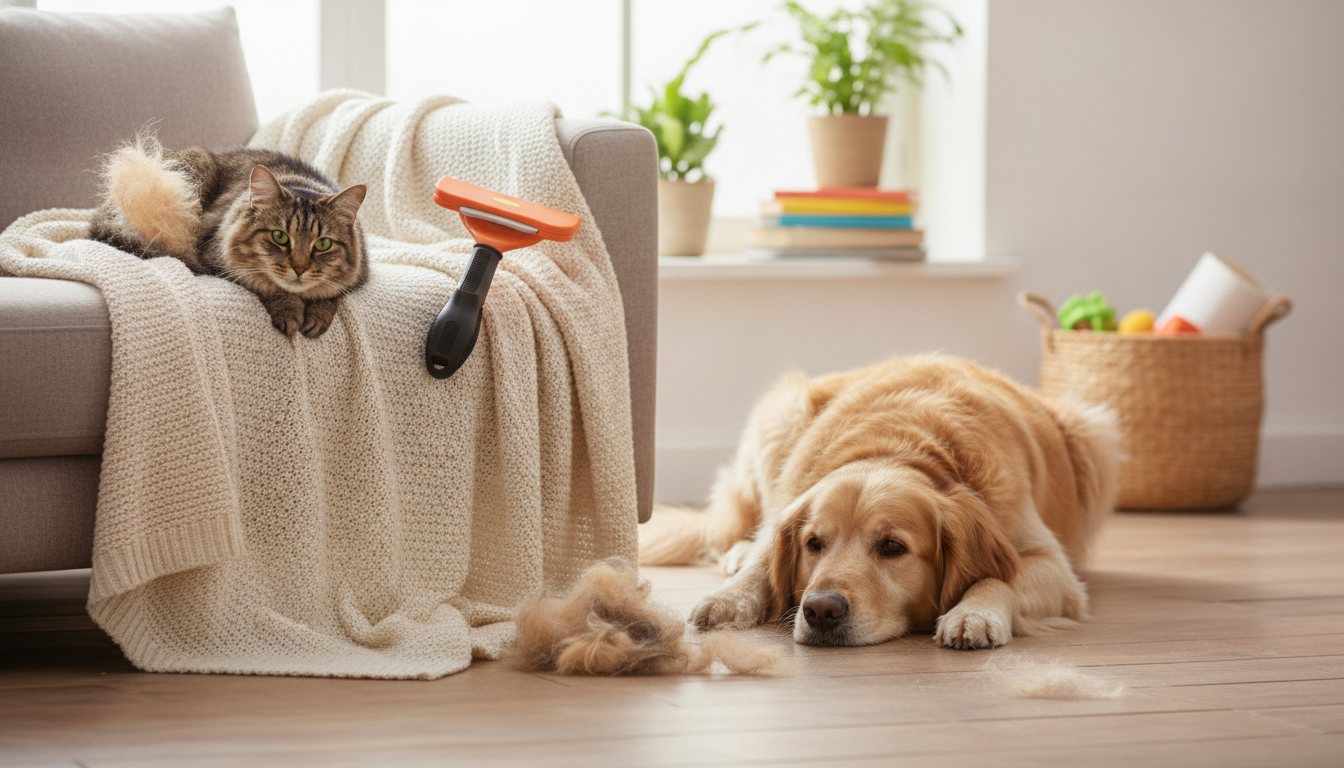
What brush removes loose fur from cats?
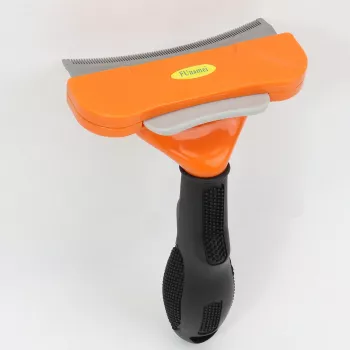
A deshedding brush (sometimes called a deshedding tool) is designed specifically to remove loose undercoat fur from cats before it ends up on your floors, furniture, and clothes. Unlike a basic slicker brush that mainly detangles and smooths the topcoat, a deshedding brush reaches down to lift out the shedding undercoat—especially helpful for medium- and long-haired cats and heavy seasonal shedders.
Why a deshedding brush works so well
Cats shed in layers. A deshedding brush uses a fine, closely spaced edge to catch loose undercoat hair while letting healthy guard hairs stay put. That means less fur floating around your home and fewer hairballs caused by swallowed loose hair during self-grooming.
How to choose the right brush for your cat
Look for a tool sized for cats (not an oversized dog version), with a comfortable handle and a gentle edge that won’t scratch skin. If your cat is short-haired and only lightly sheds, a rubber grooming brush or soft bristle brush may be enough for day-to-day upkeep—but for visible “tufts” and undercoat shedding, a true deshedding brush is the most direct fix.
How to use it without irritating your cat
Brush on dry fur using light pressure and short strokes, following the direction of hair growth. Focus on high-shed zones like the back, sides, and haunches, and avoid repeatedly scraping one spot. A few minutes, 1–3 times per week, is often plenty; during peak shedding, increase sessions but keep them brief and calm.
For a deeper walkthrough on picking and using a deshedding brush (plus tips for tackling tangles and loose hair safely), visit this deshedding brush guide.
For Deshedding Brush for Cats: Remove Loose Fur Fast, the best answer depends on fit, material, care instructions, and how the product will be used day to day.
FAQ
How often should you brush a shedding cat?
Most cats do well with brushing 1–3 times per week, while heavy shedders may benefit from quick daily sessions during seasonal coat changes. Stop if skin looks pink or your cat becomes irritated, and resume later with lighter pressure.














Leave a comment