Standing Desk Alternatives: 4 Smart Options for Any Setup
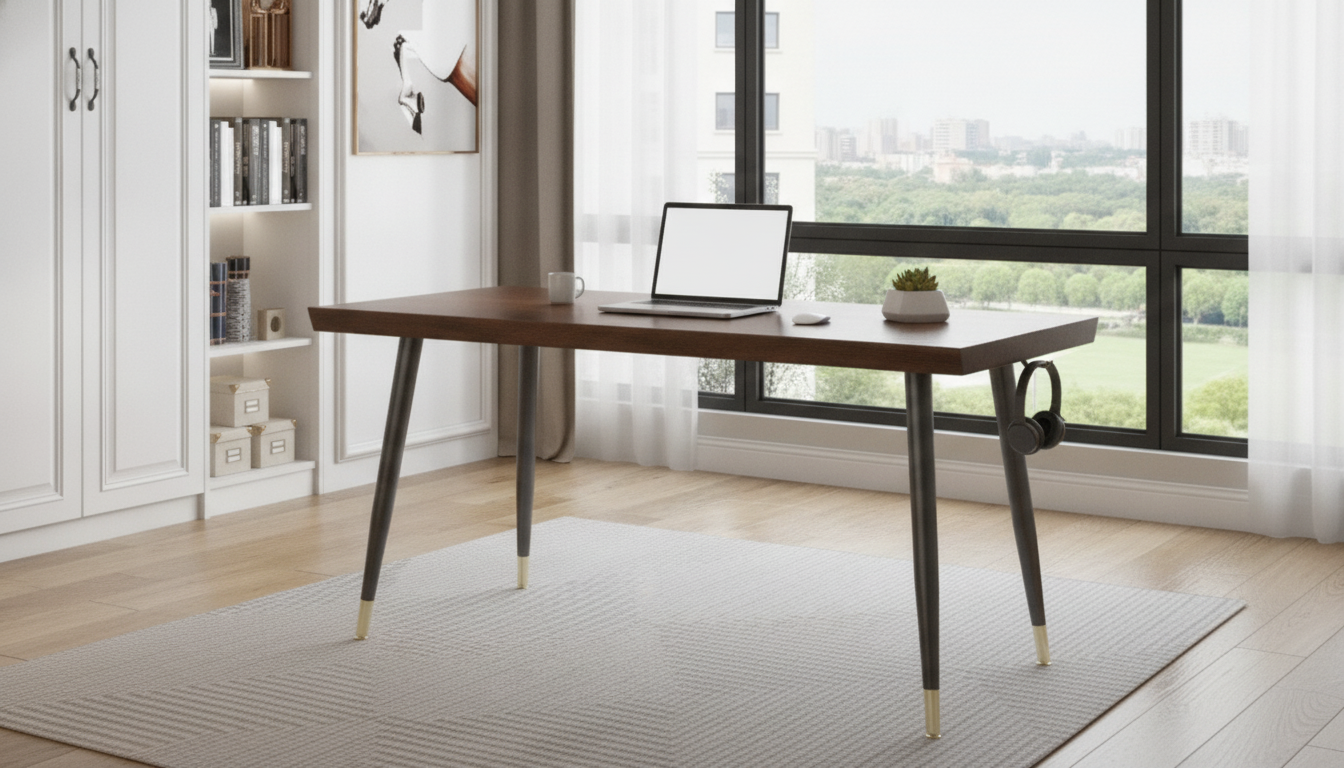
What is an alternative to a standing desk?
If a full standing desk doesn’t fit your budget, space, or workflow, there are several practical alternatives that still reduce long sitting stretches and improve comfort. The best choice depends on whether you want to stand sometimes, move more while seated, or simply get your monitor and keyboard into a healthier position.
1) Desk converter (sit-stand riser)
A desktop converter sits on top of your existing desk and lifts your monitor and keyboard to standing height. It’s often the closest “standing desk experience” without replacing your whole setup, making it a strong option for renters, shared offices, or anyone who wants a reversible upgrade.
2) Adjustable chair + ergonomic setup
If standing isn’t realistic for long periods, a high-quality adjustable chair paired with proper monitor height (eye level) and a supportive keyboard/mouse position can deliver a major improvement. Add a footrest if your feet don’t rest flat, and keep frequently used items within easy reach to avoid awkward twisting.
3) Treadmill, walking pad, or balance board (with your current desk)
For people who want more movement, a walking pad under a standard desk (or a slightly higher desk) can increase light activity during email and meetings. A balance board can add subtle movement during short standing bursts, though it’s best used in moderation to avoid fatigue.
4) Wall-mounted or fold-down workstation
In tight spaces, a wall-mounted surface can create a clean, minimalist standing area. It won’t suit every task, but it can be ideal for a laptop station, quick admin work, or a secondary setup in a living space.
If you’re still comparing a full desk versus a smaller upgrade, this guide can help: https://solstine.com/guide-55-inch-modern-standing-desk-metal-frame-solid-wood-top/
FAQ
How do I make my desk more ergonomic without buying a standing desk?
Raise your monitor so the top is near eye level, keep elbows close to your body at about a 90-degree bend, and place your keyboard and mouse so your wrists stay neutral. A footrest and an adjustable chair can also reduce lower-back and leg strain.












Leave a comment