European Interior Design Style: Key Elements & Colors
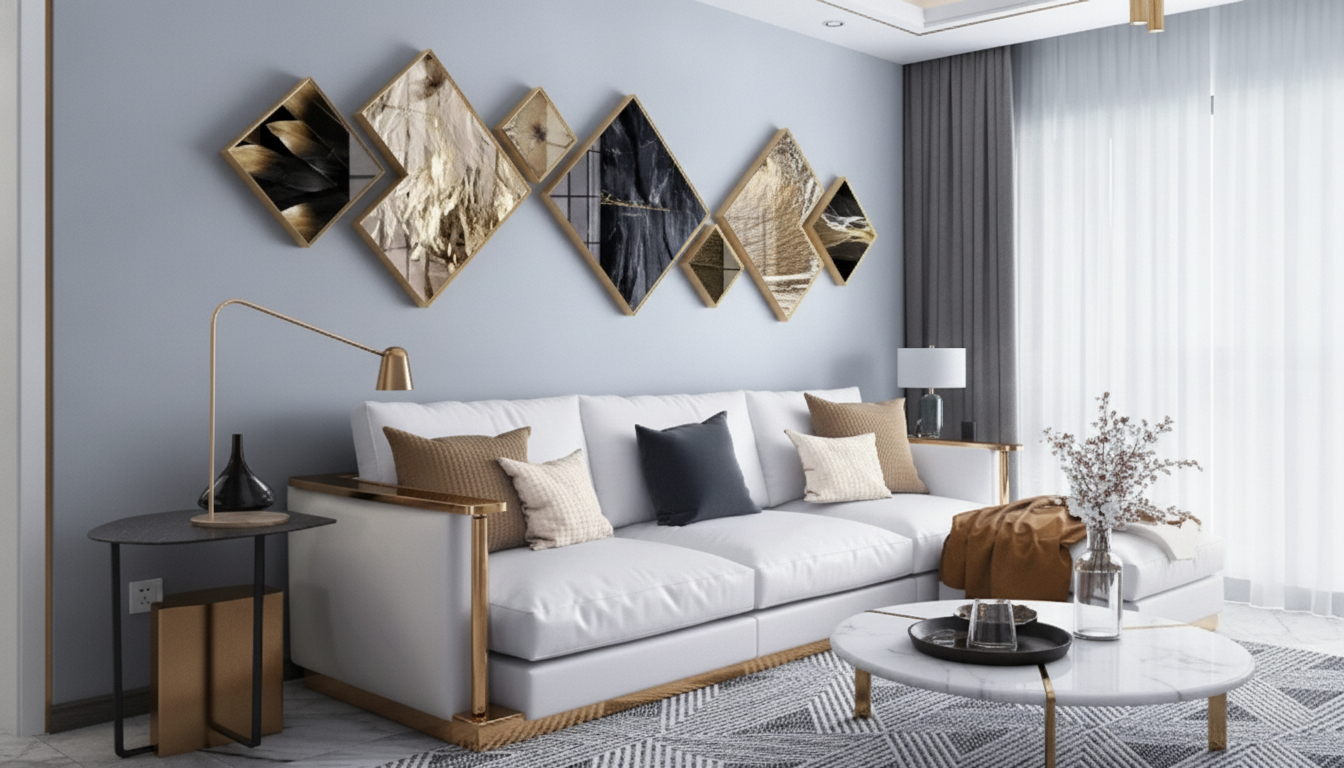
What is the European style of interior design?
European style interior design is a broad, layered look that draws from classic architecture, craftsmanship, and lived-in elegance across regions like France, Italy, Scandinavia, and the UK. Rather than feeling “theme-y,” it tends to look collected over time: quality materials, balanced proportions, and a mix of old and new that feels natural.
Key elements of European style
Architectural character: Moldings, paneling, tall baseboards, arched openings, ceiling medallions, or exposed beams often set the stage. Even in newer homes, European styling commonly adds these details to create structure and depth.
Refined, muted color: European interiors frequently lean on soft whites, warm creams, stone grays, clay tones, and gentle pastels. Walls are typically chosen to flatter natural light and make rooms feel calm and cohesive.
Natural materials and patina: Think wood floors, linen, wool, leather, marble, and aged metals. Pieces with subtle wear (or a handcrafted feel) are valued because they add warmth and authenticity.
Thoughtful contrast: A traditional console under a modern mirror, an antique rug beneath clean-lined seating, or minimal lighting paired with ornate trim—European style often works by balancing restraint with character.
European style by region (quick cues)
French: Ornate details, curved silhouettes, vintage accents, and airy neutrals.
Italian: Richer materials, sculptural forms, and a focus on craftsmanship.
Scandinavian: Lighter woods, minimal clutter, and functional comfort.
English: Cozy layering, traditional patterns, and deeper, moodier color.
How wall art fits the European look
Art is typically sized to match the furniture and the room’s architecture, creating a tailored, intentional feel. If you’re choosing wall décor and want guidance on proportion, placement, and styling, see the detailed tips here: modern European wall painting size, style, and hanging tips.
For European Interior Design Style: Key Elements & Colors, the best answer depends on fit, material, care instructions, and how the product will be used day to day.
FAQ
What colors work best for a European-inspired interior?
Soft neutrals like warm white, cream, greige, and stone are common foundations, with accents in muted greens, dusty blues, terracotta, or deeper charcoal for contrast.








Leave a comment