Best Waterproof Tent for Camping: What to Look For
What is the best waterproof tent for camping?
The best waterproof tent for camping is the one that stays dry in sustained rain, matches your group size, and can be pitched tightly so water can’t pool or seep in. For most campers who want dependable storm protection without going ultra-technical, a full-coverage rainfly, a high bathtub-style floor, sealed seams, and a sturdy pole structure matter more than a single “waterproof rating” number.
What to look for in a truly waterproof camping tent
Full-coverage rainfly: A fly that reaches close to the ground blocks wind-driven rain far better than a partial fly. Look for protected vestibules too, so entry/exit doesn’t dump water inside.
Bathtub floor + high sidewalls: A raised floor perimeter helps prevent runoff from creeping in when the ground gets saturated.
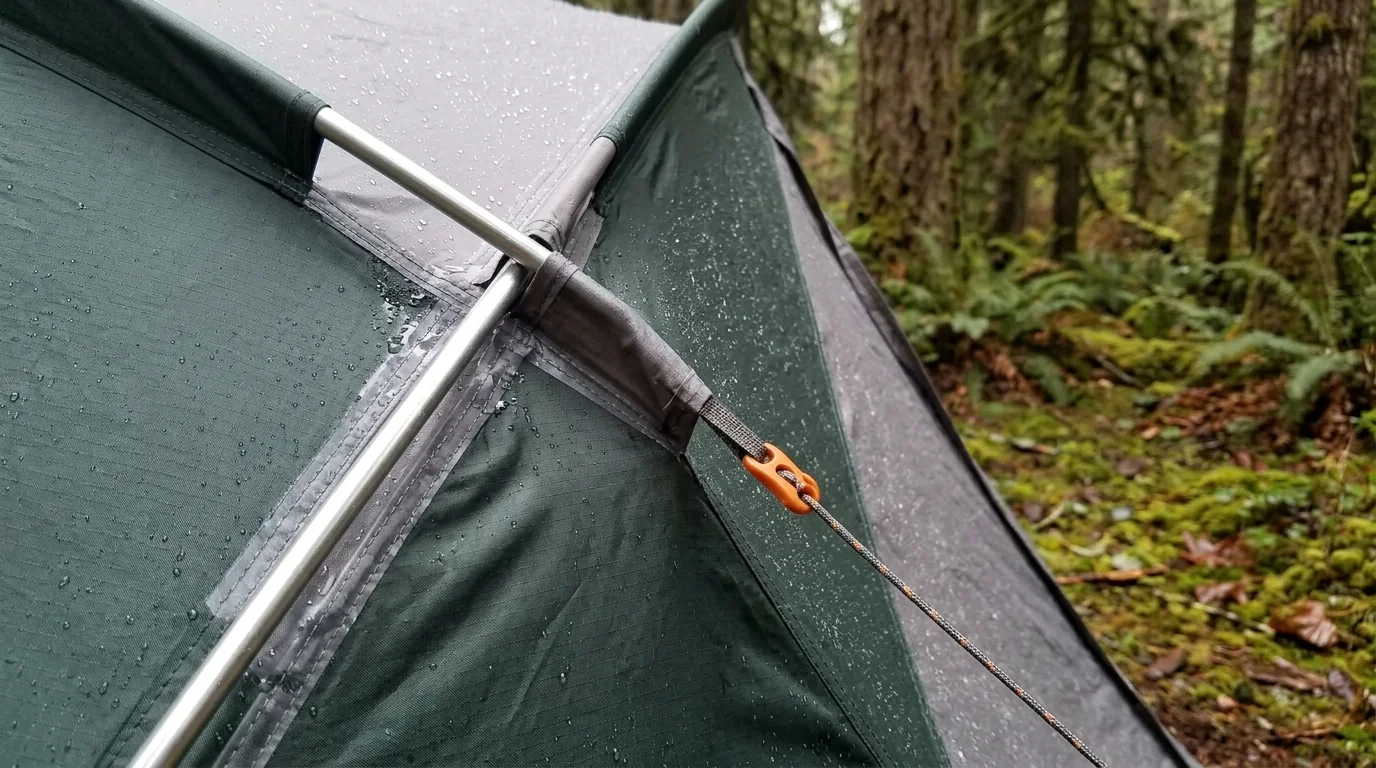
Factory-taped or sealed seams: Stitch lines are common leak points. Taped seams and sealed corners help keep drips from forming during overnight rain.
Strong poles and good geometry: A tent that holds its shape in gusts sheds water more effectively and reduces fabric sag, which can lead to pooling and leakage.
Smart ventilation: Some “leaks” are actually condensation. Roof vents, fly vents, and two-door airflow reduce internal moisture that can mimic seepage.
Best overall choice for many campers: a spacious family tent with proven weather protection
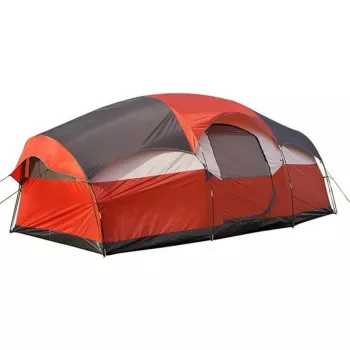
If you camp with family or friends, a well-built 6–8 person, three-room style waterproof tent can be a top pick: it offers sleeping separation, gear storage, and enough interior space to keep wet items away from bedding. Setup details also impact waterproof performance—tight fly tension, correct stake angles, and mindful layout make a noticeable difference.
For practical setup and layout tips that help a waterproof tent stay waterproof in real conditions, see the complete guide here: https://solstine.com/guide-3-room-6-8-person-waterproof-tent-setup-layout-tips/.
FAQ
How do I keep a tent from leaking in heavy rain?
Pitch on slightly higher ground, fully stake and guy out the fly, and keep the fabric taut so water can’t pool. Make sure seams are taped/sealed and avoid touching the tent walls from inside during a downpour.













Leave a comment