10×12 Cathedral Greenhouse Solarium for Year-Round Use
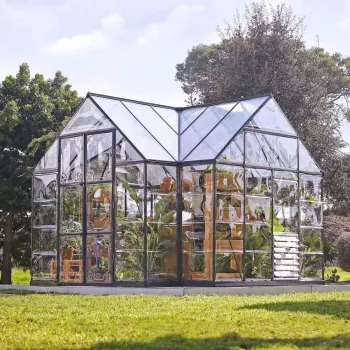
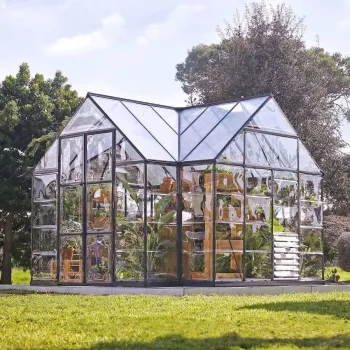
A Bright, Year-Round Garden Room in a 10′ x 12′ Footprint
A cathedral-style greenhouse and solarium blends plant-growing performance with the comfort of a sunlit room. With a 10′ x 12′ footprint, it can function as a dedicated greenhouse, a lounging conservatory, or a hybrid space for seed starting, overwintering, and everyday enjoyment—while the tall roofline helps manage heat, humidity, and airflow.
If you’re planning a build that feels like part greenhouse and part retreat, a cathedral profile offers a practical advantage: more usable air volume above head height, where heat can rise and ventilation can work harder for you.
What Makes a Cathedral-Style Greenhouse Different
A cathedral-style design isn’t just about looks—it changes how the space behaves through the seasons and how comfortable it feels day to day.
- Tall, peaked roofline: Adds headroom for trellised plants, hanging baskets, and ceiling-mounted ventilation.
- Better natural heat movement: Warm air collects near the ridge, so high vents and fans tend to work more effectively than in low-profile structures.
- More livable volume: The solarium-like interior supports seating, potting benches, and display shelving without feeling cramped.
- Classic silhouette: Cathedral lines often pair well with traditional homes, patios, and landscaped yards, helping the greenhouse feel intentional rather than temporary.
For shoppers considering a ready-to-install option, the 10′ x 12′ Cathedral-Style Greenhouse and Solarium is sized to feel substantial without taking over the yard, making it a strong candidate for a true “garden room” concept.
At-a-Glance Specs and Space Planning
A 10′ x 12′ layout hits a sweet spot: enough depth for productive benches and tall plants, plus a walkway that still feels comfortable when you’re carrying trays or watering.
- Footprint: 10′ x 12′ provides a practical balance of growing area and walk-around comfort for a bench-and-aisle layout.
- Traffic flow: Plan a clear central aisle for carts and watering; place benches along the long walls to maximize usable depth.
- Utility corner: Reserve one corner for watering can storage, soil bins, tool hooks, and a small work surface.
- Solarium zoning: Consider a plant zone (brightest side) and a seating zone (shaded side) to reduce midday glare.
| Zone | Recommended setup | Why it works |
|---|---|---|
| Growing benches | Two 18–24 in deep benches along the long sides | High capacity while keeping an easy aisle |
| Center aisle | 30–36 in clear path (wider if using a cart) | Comfortable access for watering and pruning |
| Tall plant area | Back wall or corners for trellis/large pots | Uses cathedral height for climbing or citrus-sized plants |
| Comfort corner | Compact chair + small table (optional) | Creates a true solarium feel without sacrificing growing space |
Light, Temperature, and Ventilation Basics
Plant health and human comfort depend on managing three forces: light intensity, heat buildup, and moisture. The good news is a cathedral roofline supports strong “stack effect” ventilation—warm air rises and can be exhausted near the ridge.
- Light management: Use shade cloth or retractable shading in peak summer to prevent leaf scorch and reduce overheating.
- Ventilation strategy: Pair roof vents with lower intake points (like louvered side vents) to encourage a chimney effect.
- Air circulation: A small oscillating fan helps prevent stagnant pockets that can lead to mildew and weak stems.
- Temperature control: Plan for seasonal swings with options like a thermostatic vent opener, a portable heater designed for greenhouse use, and thermal mass (water jugs or stone) to reduce nighttime drops.
For deeper guidance on balancing heating and ventilation, the University of Georgia Extension offers a practical overview of greenhouse climate control basics: Greenhouse Heating, Cooling and Ventilation.
Foundation, Placement, and Build Considerations
The structure performs best when it’s placed thoughtfully and supported by a stable, well-draining base. Small decisions here can prevent persistent issues like door misalignment, pooling water, and chronic humidity.
If you’re unsure what “year-round” really means in your region, confirm your conditions using the USDA Plant Hardiness Zone Map. It’s a quick way to sanity-check heating needs for overwintering citrus, tropicals, or tender starts.
How to Use It as a Solarium and a Working Greenhouse
To lean into the “garden room” vibe after dark, ceiling-height lighting can make the space feel finished and intentional. If you want a dramatic centerpiece for a solarium seating corner, consider the Luxury Rectangular Crystal Chandelier Ceiling Lamp for Living Room & Lobby.
Care and Seasonal Maintenance
When moisture builds up, mold can follow—especially in corners and around stored bags of soil. For practical prevention and cleanup fundamentals, see the EPA’s guidance: Mold—Prevention and Cleanup.
And when harvest season hits, a greenhouse can quickly turn into a processing hub. For gardeners putting up sauces and purees, the Electric Tomato Strainer and Sauce Maker with Stainless Steel Body can help streamline batches—especially if you’re growing paste tomatoes or cooking down greenhouse-grown fruit.
FAQ
Can a cathedral-style greenhouse be used year-round?
Yes, but year-round success depends on your climate, glazing performance, and how you handle heating and ventilation. Thermal mass, shade cloth, fans, and a properly rated heater can help smooth temperature swings across seasons.
How much ventilation is needed for a 10′ x 12′ greenhouse and solarium?
Aim for high exhaust (roof/ridge vents) plus low intake so fresh air can flow upward and out. Add a circulation fan to reduce stagnant pockets, and adjust venting by season since summer heat loads are much higher than winter moisture loads.
What foundation works best for a greenhouse that’s also a sitting room?
A concrete slab is often the most comfortable underfoot and easiest to keep clean, while a curb foundation or pavers can work well if properly leveled and drained. The best choice depends on local code, frost-line needs, and whether you want a finished interior floor feel.












Leave a comment