Women’s Loose Blazer: Fit, Fabrics, and Styling Tips
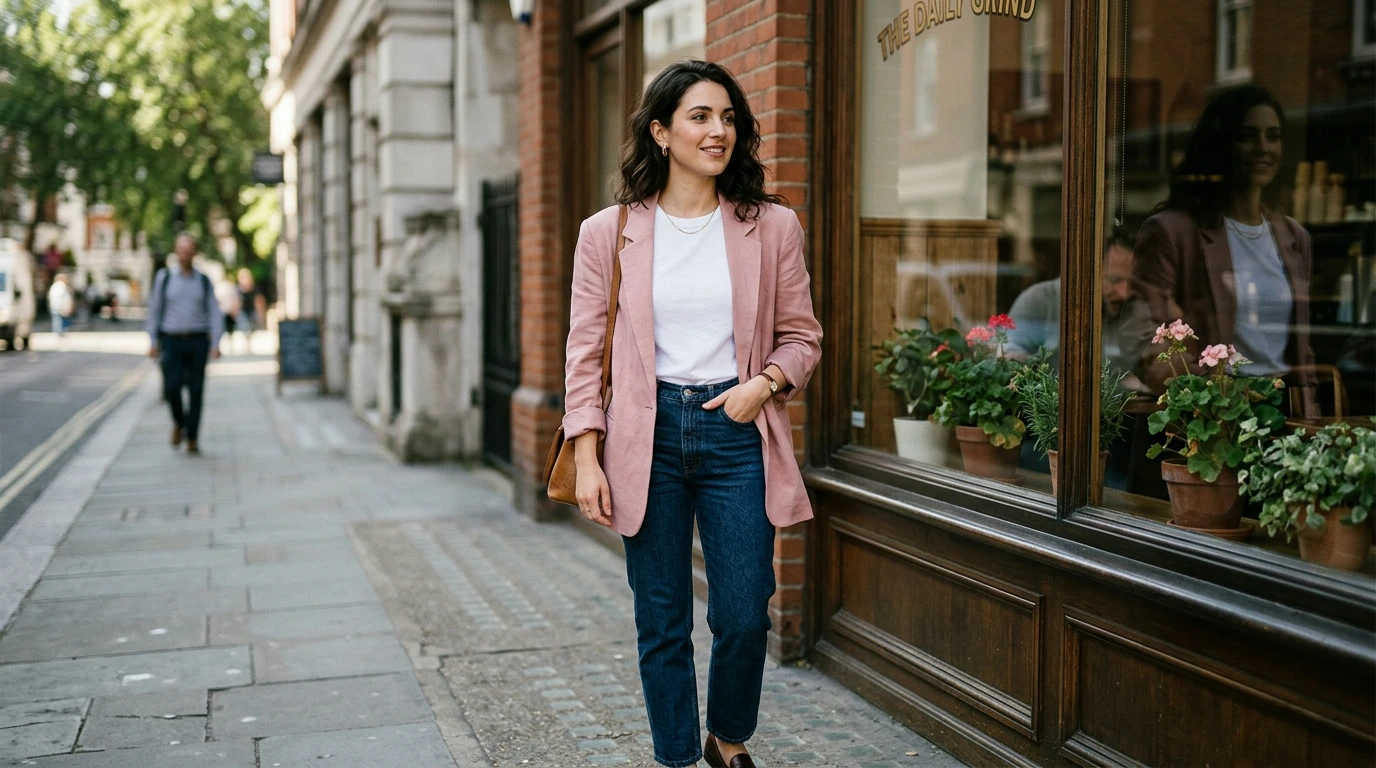
Women’s Loose Blazer: Effortless Structure for Work, Weekends, and Nights Out
A loose blazer adds polish without feeling restrictive—perfect for layering, balancing proportions, and dialing an outfit up or down. With the right fit and fabric, a relaxed blazer reads intentional (not borrowed-from-the-back-of-the-closet oversized) and becomes the easiest “third piece” you can throw on year-round. For more guidance, see Fitted Blazer Suits For Women: A Style Guide – Gae News Monitor.
What Makes a Loose Blazer Different
Unlike a traditional tailored blazer, a loose blazer is designed to skim the body with room to move. It’s the piece you reach for when you want structure without stiffness. For further reading, see Double Breasted Blazer (Navy Twill) – Holland Cooper US Coen Co ….
- Relaxed silhouette through the body and sleeves for easy movement and layering.
- Less rigid shoulder and waist shaping than a tailored blazer, with a more casual drape.
- Works as a third piece to add structure to simple outfits (tee + jeans, dress + boots, knit set).
- Often looks best with intentional contrast: streamlined base layers or defined waist styling.
Fit Details That Matter (So It Looks Intentional, Not Oversized)
The difference between “coolly relaxed” and “swallowing your frame” comes down to a few checkpoints. Try the blazer on with what you’ll actually wear underneath—especially if you plan to layer knits.
- Shoulders: A slightly extended shoulder is fine, but avoid a drop so low it collapses your upper-body line or twists when you move.
- Sleeves: Full-length looks sleek; pushed-up sleeves look styled—just make sure the fabric can hold a cuff without sliding down.
- Length: Hip-length is the most versatile. Mid-thigh adds drama and pairs beautifully with slim bottoms. Cropped lengths help balance wide-leg pants.
- Closure and lapels: Single-breasted is the easiest day-to-day option. Double-breasted can feel dressier and may add visual width at the torso.
- Proportion check: If the blazer is roomy, keep at least one other element fitted (top, waist, or bottom) to keep the outfit clean.
Fabric and Season: How Drape Changes the Whole Look
Fabric is the secret sauce: it determines whether your loose blazer looks fluid and modern or bulky and boxy. If you’re comparing similar silhouettes, prioritize the drape and recovery (how well it bounces back after sitting, commuting, or carrying a bag).
- Soft suiting blends: Clean lines with comfortable movement—great for office-to-evening outfits.
- Linen and linen blends: Breathable with a relaxed texture for warm weather; natural wrinkling is part of the look.
- Wool and wool blends: More structure and warmth; ideal for fall/winter layering over knits.
- Tweed and textured weaves: Statement feel and visual interest; best with simple basics.
- Stretch content: Helpful when the fit is loose but the fabric is structured—adds comfort at shoulders and elbows.
For a helpful overview of fabric properties and terminology, see Textile Terms and Definitions. For general care guidance that helps clothing last longer, the New York Times laundry guide is a solid reference.
Quick guide to choosing a loose blazer by season
| Season | Best fabric feel | Layering tip | Style pairing |
|---|---|---|---|
| Spring | Light suiting, cotton blends | Add a thin knit or long-sleeve tee | Straight jeans + loafers |
| Summer | Linen/linen blend, lightweight cotton | Wear over a tank or slip dress | Shorts or airy wide-leg pants |
| Fall | Medium suiting, textured weaves | Layer over a fine-gauge sweater | Slim trousers + ankle boots |
| Winter | Wool blends, heavier structure | Add a turtleneck + scarf | Dark denim or tailored pants |
Color and Styling: Making a Loose Blazer Feel Fresh
Color choice affects how “dressy” a loose blazer reads, even with the same outfit underneath. If you want maximum wear, choose a shade that works with your most-repeated bottoms.
- Neutrals (black, navy, camel, gray): Easy repeat-wear pieces that pair with denim, trousers, and dresses.
- Soft colors (pink, cream, pastel tones): Brighten basics and look especially polished with monochrome outfits.
- Bold colors: Keep accessories minimal and base layers simple to avoid visual overload.
- Prints and texture: Treat them like a statement top—build the rest of the look around them.
- Footwear choices: Sneakers make it casual, loafers sharpen it, heels elevate it, and boots add edge.
Outfit Formulas That Always Work
If you ever feel stuck, start with one of these “plug-and-play” combinations. They’re simple, flattering, and easy to adapt with accessories.
- Office-ready: Loose blazer + fitted knit top + straight trousers + loafers; add a belt for definition.
- Weekend casual: Loose blazer + white tee + relaxed jeans + sneakers; roll sleeves and add a simple necklace.
- Date night: Loose blazer worn open over a slip dress; switch to heeled boots and a clutch.
- Modern monochrome: Blazer and base layers in the same color family; vary textures for depth.
- Balanced volume: Roomy blazer + slim base (legging-style pants or a fitted skirt) to keep proportions clean.
Care and Longevity
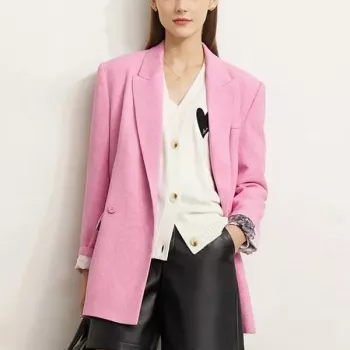
A Soft Statement Option: Women’s Pink Loose Blazer
Shop the look: Women’s Pink Loose Blazer.
Two Easy Add-Ons That Elevate the Whole Routine
- Luxury Rectangular Crystal Chandelier Ceiling Lamp for Living Room & Lobby for bright, glam lighting that flatters outfit colors.
- Ceramic Rectangular Vessel Sink with Blue Interior for a bold vanity upgrade that makes daily styling feel more intentional.
FAQ
How should a loose blazer fit at the shoulders?
Slightly relaxed is fine, but the shoulder line should still look supported. Avoid a drop so low that the blazer slumps, pulls, or twists when you move your arms.
Can a loose blazer be worn to work?
Yes. Keep base layers streamlined, choose polished shoes, and use structured accessories (like a belt or sharp bag) to make the relaxed silhouette feel professional.
What bottoms look best with a loose blazer?
Straight-leg jeans, slim trousers, midi skirts, and fitted dresses are reliable options. If you wear wide-leg pants, keep the top fitted or define the waist to maintain clean proportions.









Leave a comment