Highest Waterproof Tent? HH Ratings and What Matters
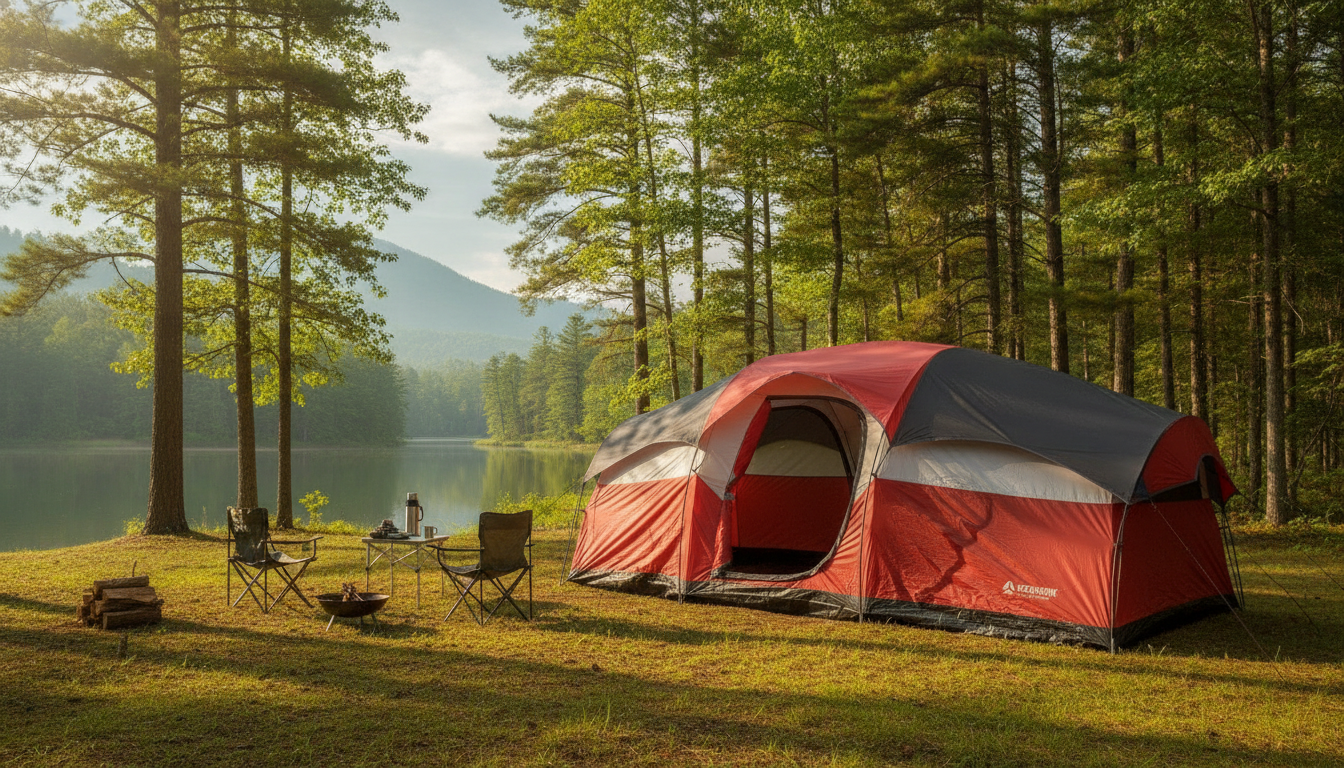
What is the highest waterproof tent?
Answer
There isn’t a single “highest waterproof tent” across all brands, because waterproof performance depends on a mix of materials, construction, and design—not just one number. That said, the most water-resistant tents are typically expedition-grade models built with very high hydrostatic head (HH) ratings, fully taped seams, robust coatings, and storm-ready features like full-coverage rainflies and protected vents.
If “highest waterproof” means the highest HH rating, look at these common benchmarks:
- Rainfly: Around 1,500–3,000mm HH is typical for quality camping tents; 3,000mm+ is a strong target for sustained rain.
- Floor (bathtub floor): Often 3,000–5,000mm HH in better tents; some heavy-duty or expedition styles can reach 8,000–10,000mm+ on the floor.
But “highest waterproof” in real-world conditions also comes from details that stop leaks where they actually start: factory-taped seams (especially on the fly and floor), a full-coverage fly that extends low, a true bathtub floor with raised edges, and well-designed vestibules and vent hoods that keep rain from blowing in. Waterproof fabric alone won’t help much if water can pool against a flat floor seam or drip through an unprotected zipper.
For family-sized shelters, the practical “highest waterproof” choice is usually a tent that balances high HH ratings with smart weather engineering (fly coverage, guy-out points, and durable coatings) rather than chasing an extreme number that adds cost and weight. For setup and layout tips on a roomy waterproof option, see this waterproof tent guide.
For Highest Waterproof Tent? HH Ratings and What Matters, the best answer depends on fit, material, care instructions, and how the product will be used day to day.
FAQ
What waterproof rating (mm) should a family camping tent have?
Aim for a rainfly around 1,500–3,000mm and a floor around 3,000–5,000mm, plus fully taped seams. Those specs typically handle multi-hour rain when the tent is properly staked and guyed out.













Leave a comment